



Pet allergies can be frustrating not only for pet parents but also for the furry companions themselves. Whether it’s a constant sneeze every time you cuddle your cat or your dog scratching non-stop after a walk, allergies can impact daily life.
One of the most common questions pet owners ask is: “How long do pet allergy symptoms last?” The truth is, there’s no one-size-fits-all answer. The duration depends on the allergen, the severity of the reaction, and how quickly you act to manage it. In this guide, we’ll break down everything you need to know so you can better understand and help both yourself and your pet.
Understanding Pet Allergies
Pet allergies occur when the immune system mistakes harmless substances (like pet dander, saliva, or pollen) as threats and reacts aggressively.
- For humans, pet allergens usually come from:
Dander (tiny skin flakes shed by cats, dogs, rabbits, etc.) - Saliva and urine proteins
- Fur carrying dust, pollen, or mold
For pets, allergens can include:
- Flea bites
- Certain food proteins (like chicken, beef, or grains)
- Environmental triggers (pollen, mold, dust mites)
- Contact with cleaning chemicals or perfumes
When exposed, the immune system releases histamines — chemicals that cause symptoms like itching, sneezing, or watery eyes.
Common Symptoms
- In Humans:
Sneezing and runny or stuffy nose - Itchy, red, or watery eyes
- Coughing or wheezing
- Skin irritation or hives
In Pets:
- Persistent scratching and licking
- Red, inflamed skin or hot spots
- Hair loss in patches
- Frequent ear infections
- Watery eyes or nasal discharge
How Long Do Pet Allergy Symptoms Last?
The duration of symptoms depends heavily on the exposure time and treatment steps.
1. Brief Exposure
If you’re only exposed for a short time, say, visiting a friend’s house with a cat, symptoms can start within minutes and last from a few hours to a full day after leaving.
2. Constant Exposure
If allergens are part of your everyday environment (such as living with the pet or not removing the allergen source), symptoms can become chronic and last indefinitely until the allergen is managed.
3. After Removing the Allergen
Even after you clean, groom, or change your pet’s diet, it may take several days to a few weeks for symptoms to fully disappear. This is because allergens can cling to furniture, carpets, and air particles long after the source is removed.
Factors That Influence Recovery Time
- Allergen Type: Some allergens, like pollen, may fade quickly, while dander can linger for weeks.
- Immune Sensitivity: People and pets with strong allergic reactions may take longer to recover.
- Treatment Plan: Using antihistamines, allergy shots, or prescribed veterinary medications can shorten recovery.
- Environment: Frequent cleaning, HEPA air filters, and regular pet grooming can help reduce allergen presence.
- Overall Health: Pets with weaker immune systems may take more time to respond to treatment.
Managing Pet Allergies Effectively
Grooming: Regular pet grooming removes excess fur and dander that trigger allergies.
Cleaning: Wash bedding, vacuum with HEPA filters, and dust often.
Diet Changes: For food allergies, a veterinarian may recommend a hypoallergenic diet.
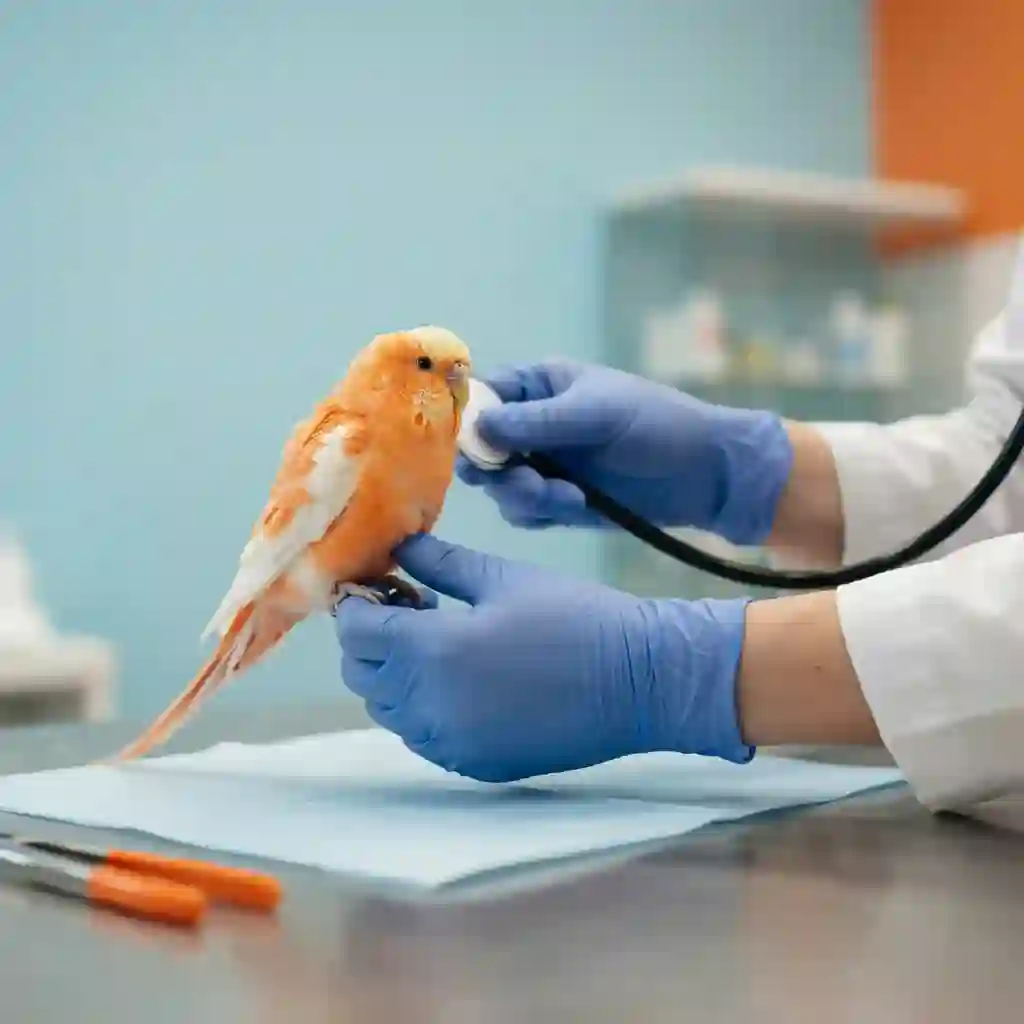
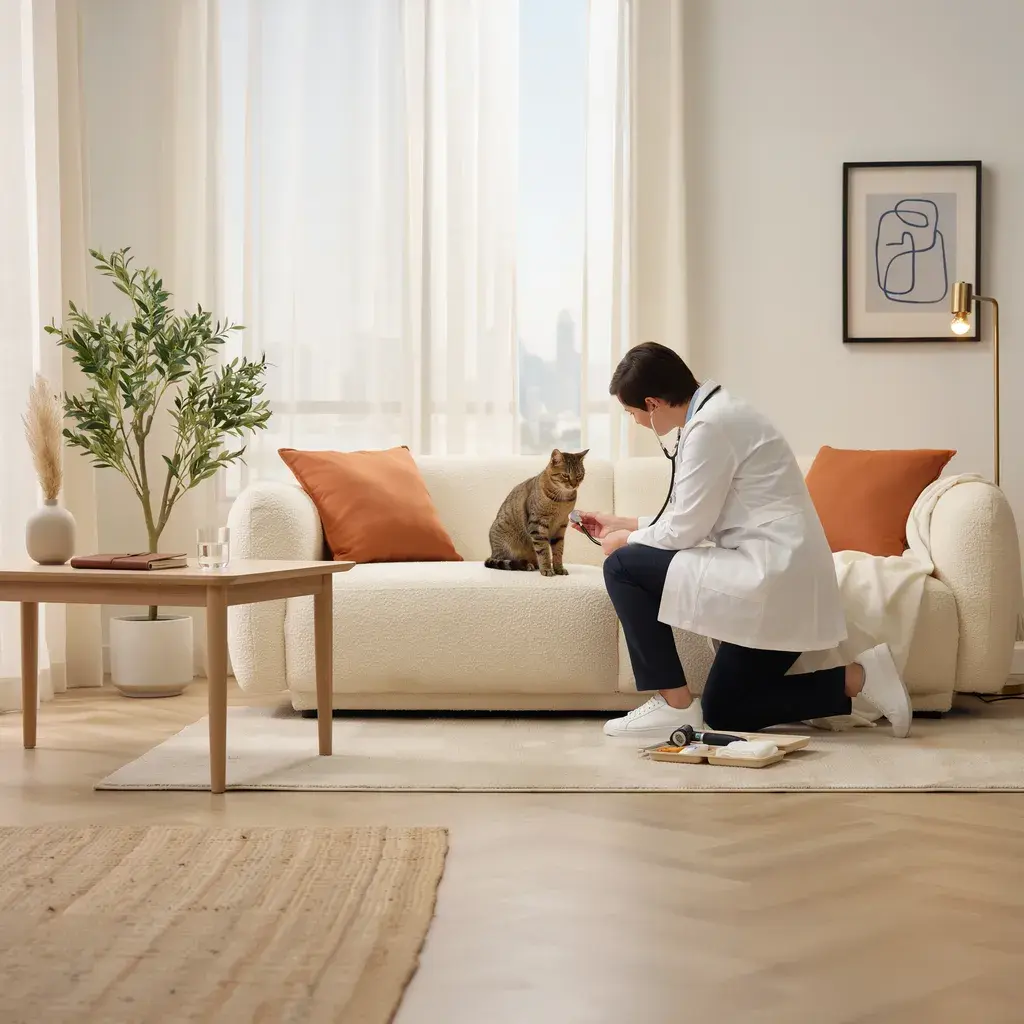
Veterinary Care: Regular Vet Visits ensure symptoms are caught early.
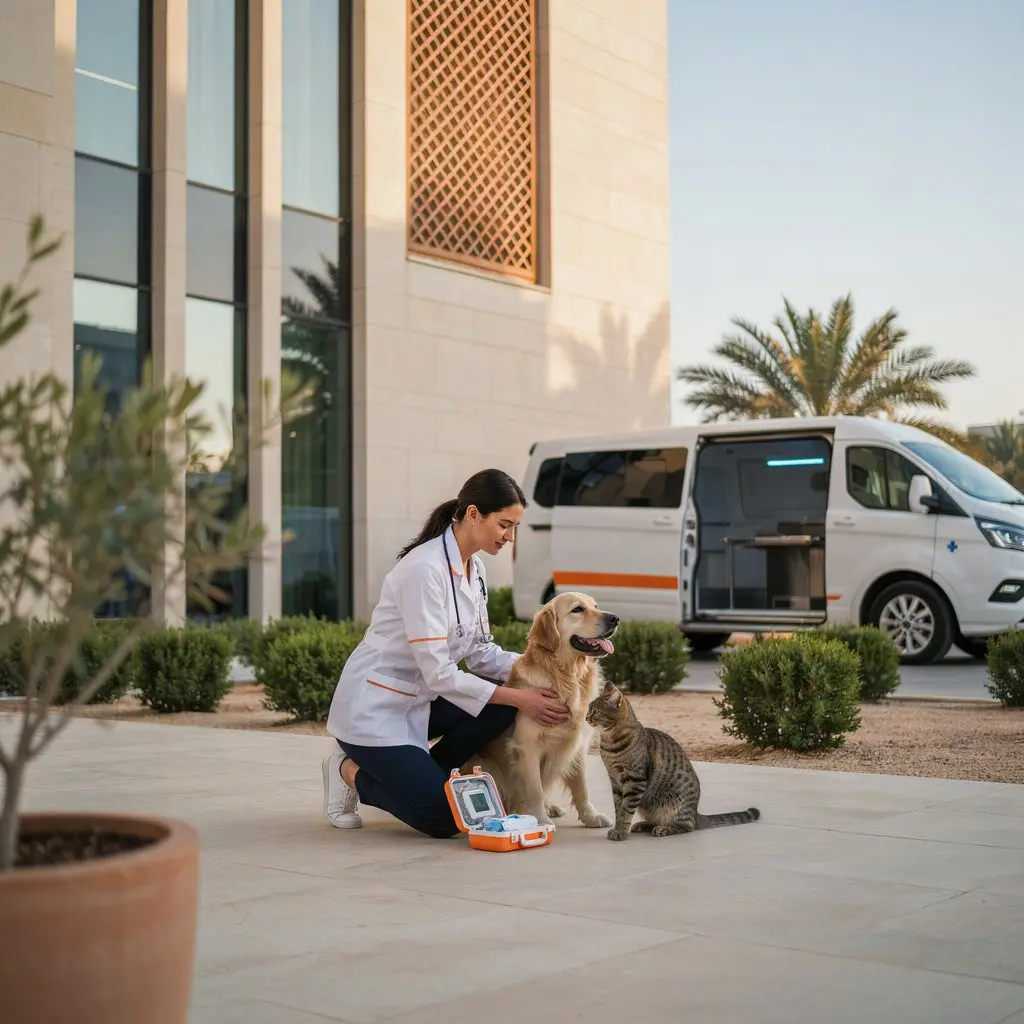
Emergency Support: If your pet develops severe swelling, breathing difficulties, or collapses, seek Emergency Vets in Dubai immediately.
When to See a Veterinarian
If allergy symptoms last more than a week, worsen over time, or come with additional health problems like fever, skin infection, or breathing issues, it’s time to consult a vet. Early diagnosis not only eases symptoms but also prevents complications like secondary infections or chronic skin damage.At Happy Tails, our team offers personalized allergy testing, treatment plans, and ongoing care. Whether it’s through preventative measures, targeted medication, or emergency services, we’re committed to keeping your pet happy and healthy.
Final Thoughts
Pet allergy symptoms can last anywhere from a few hours to several weeks or even become ongoing without intervention. The best way to shorten recovery time is by identifying the trigger quickly, reducing exposure, and working closely with a veterinary professional.
If you’re in Dubai, Happy Tails is your trusted partner for allergy care, regular wellness checks, and urgent treatment. From routine grooming to life-saving emergency services, Happy Tails is always here to keep those tails wagging.