




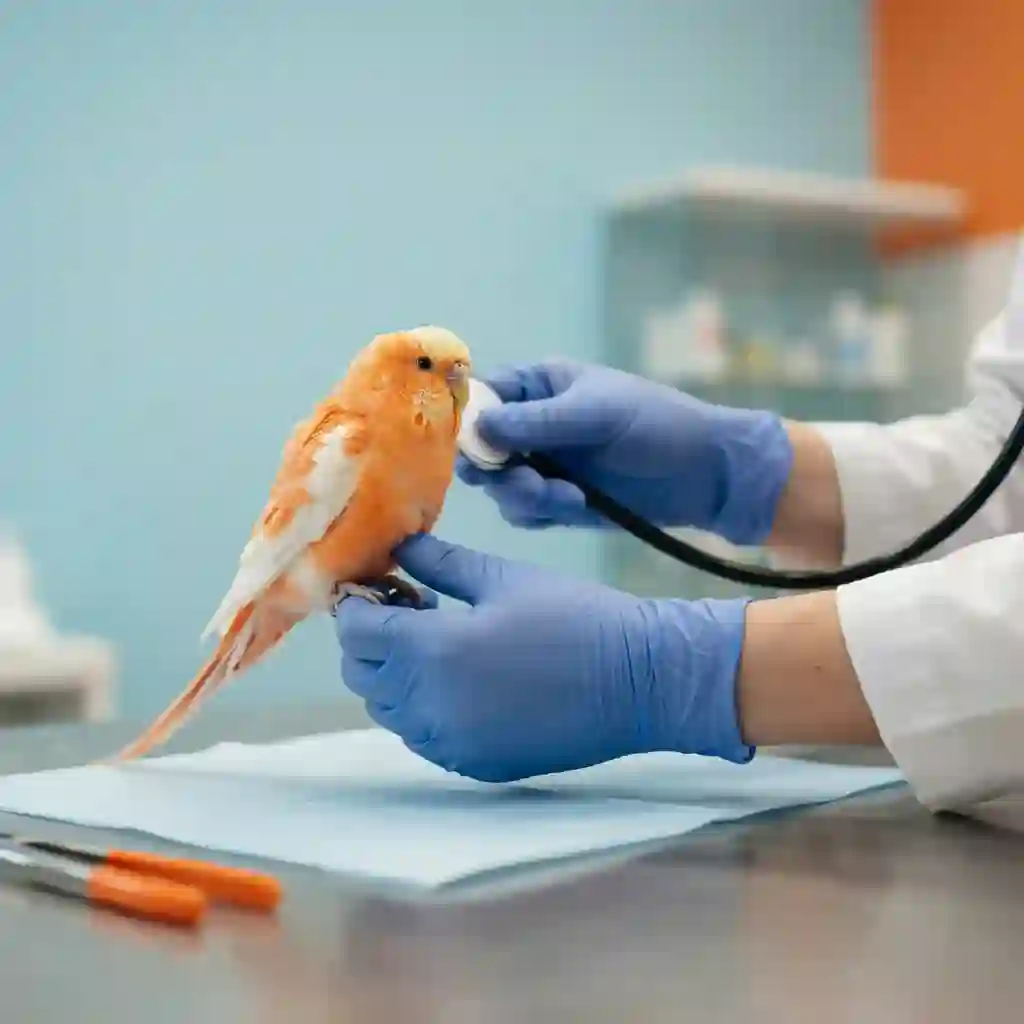

Fleas and ticks are more than just a nuisance for dogs—they can cause itching, skin irritation, and transmit dangerous diseases. As a responsible pet parent, keeping your furry friend protected from these parasites is essential for their comfort and overall health. But with so many products on the market, how do you know which flea and tick treatment is the best for your dog?
In this article, we’ll break down the most effective options, their pros and cons, and tips for choosing the right one for your pet.
Why Flea and Tick Prevention Matters
Fleas and ticks aren’t just uncomfortable—they can carry and transmit harmful illnesses such as:
- Lyme disease (from ticks)
- Anemia (from severe flea infestations)
- Tapeworms (from fleas)
- Skin infections and allergies caused by bites and scratching, which sometimes require specialized care such as pet dermatology in Dubai.
Regular prevention not only saves your dog from discomfort but also prevents infestations in your home.
Types of Flea and Tick Treatments
Topical Treatments (Spot-Ons)
These are liquid medications applied directly to the back of your dog’s neck. They spread across the skin’s oils, providing protection for up to a month.
- Pros: Easy to apply, water-resistant options available, long-lasting.
- Cons: Can be messy; some dogs may have mild skin reactions.
Oral Medications
Given as chewable tablets, oral flea and tick preventives kill parasites from the inside out. They usually last from 1 to 3 months, depending on the product.
- Pros: No mess, highly effective, fast-acting.
- Cons: May not be suitable for dogs with sensitive stomachs; must be taken consistently.
Flea and Tick Collars
Modern collars are infused with active ingredients that repel and kill pests. Some last up to 8 months.
- Pros: Long-term protection, low maintenance.
- Cons: Not as fast-acting; effectiveness can decrease if the collar gets wet often.
Shampoos and Sprays
These are useful for immediate relief during an active infestation. They kill fleas and ticks on contact.
- Pros: Affordable, fast-acting.
- Cons: Short-term solution, not ideal for long-term prevention.
Choosing the Best Treatment for Your Dog
The best flea and tick treatment depends on your dog’s lifestyle, age, and health condition. For example:
- Active outdoor dogs may benefit from oral medications or long-lasting collars.
- Dogs with sensitive skin might do better with oral treatments instead of topical ones.
- Puppies and senior dogs require vet-approved solutions that are safe for their age group.
It’s always best to consult your veterinarian before starting any flea or tick treatment, as overlooking professional advice is one of the common pet care mistakes. A vet can recommend the safest and most effective option tailored to your dog’s needs.
When to See a Vet
If your dog shows signs of severe flea or tick infestation—such as extreme scratching, hair loss, pale gums, or lethargy—it may require immediate medical attention. In such cases, you may need to visit a 24-hour vet in Dubai or seek help from an emergency vet in Dubai to ensure your pet gets prompt treatment.
Final Thoughts
There’s no one-size-fits-all answer to the best flea and tick treatment for dogs, but combining prevention with regular vet checkups is the most effective approach. Whether you prefer topical solutions, oral medications, or collars, the key is consistency and monitoring your dog’s health.
For trusted advice, compassionate care, and reliable treatment options, pet parents turn to Happy Tails—where your dog’s health and happiness always come first.