




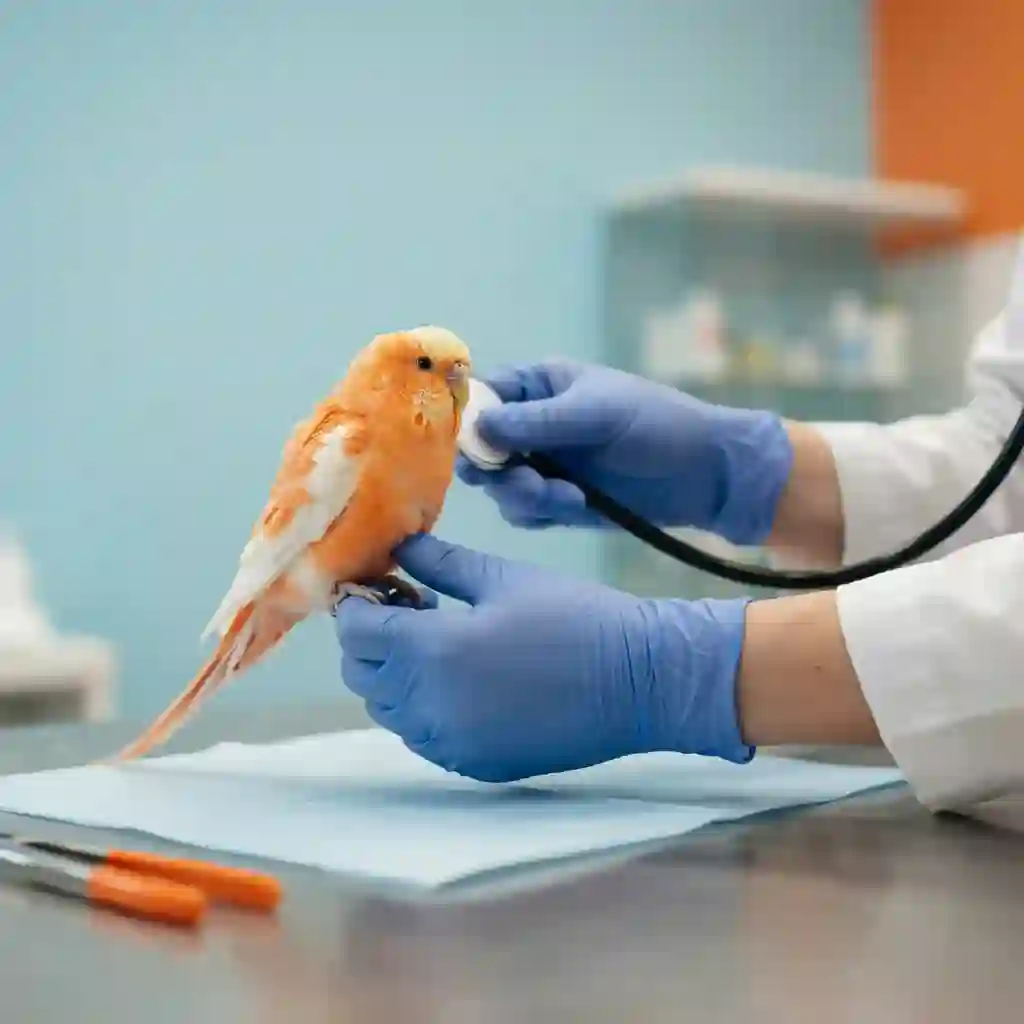

Cats are natural masters at concealing discomfort. In the wild, hiding weakness helped them survive, but in our homes, this instinct often leaves owners unaware when their pets are suffering. Spotting the hidden signs of feline pain is essential for ensuring your cat gets the right care at the right time.
Why Cats Hide Their Pain
Unlike dogs, cats rarely cry or whimper when in pain. Instead, they withdraw, reduce activity, or alter their grooming habits. This makes it crucial for owners to be observant and proactive in noticing subtle changes. Early veterinary attention not only relieves suffering but can also uncover underlying health issues.
Behavioral Signs of Pain in Cats
Pain often shows up first in behavioral shifts. Some of the most common include:
- Hiding more than usual.
- Aggressiveness or irritability when touched.
- Clinginess or restlessness.
- A drop in playfulness or reluctance to jump and climb.
For budget-conscious owners, clinics offering cheap vets in Dubai still provide thorough examinations, making early intervention accessible without compromising your cat’s care.
Physical Signs of Pain in Cats
Physical changes often accompany behavioral ones. Look for:
- Limping, stiffness, or slower movement.
- Overgrooming or neglect of grooming entirely.
- A dull or greasy coat.
- Facial cues such as narrowed eyes or pinned-back ears.
Eating and Litter Box Changes
Pain frequently alters normal routines.
- Reduced appetite could point to dental pain or digestive problems.
- Vocalizing in the litter box may suggest urinary tract issues.
- Refusal to drink can worsen dehydration and pain.
Cats with these changes should be seen promptly to avoid complications.
Common Causes of Pain
Some common sources of feline discomfort include:
- Arthritis in older cats.
- Dental disease causing oral pain.
- Accidents or injuries such as fractures.
- Urinary tract infections or blockages.
- Cancer or chronic internal illnesses.
Each requires professional evaluation to determine safe and effective treatment.
How Vets Diagnose Pain
Diagnosing feline pain involves a combination of observation, examination, and modern tools. Vets often stress the importance of professional check-ups over guesswork, raising the key question: ”How Should We Take Care of Your Pets.”
Diagnostic imaging such as X-rays and ultrasounds can uncover joint issues, internal injuries, or hidden disease, ensuring the cause of pain is accurately identified.
Pain Management Options
Safe treatment always begins with a veterinarian. Depending on the diagnosis, options may include:
- Prescription pain relievers such as buprenorphine or gabapentin.
- Anti-inflammatory medications carefully dosed for cats.
- Supplements for joint health.
- Surgery for severe injuries or illness.
- Supportive care like weight management and lifestyle adjustments.
Never attempt to give cats human medications such as ibuprofen, acetaminophen, or aspirin — these are toxic and potentially fatal.
When to Seek Emergency Care
Some symptoms require immediate veterinary attention:
- Persistent vomiting or refusal to eat.
- Straining in the litter box without urination.
- Sudden immobility or collapse.
- Severe breathing difficulties.
In urgent situations, contacting emergency vets in Dubai ensures your cat receives life-saving treatment as quickly as possible.
Supporting Cats at Home
Beyond medical treatment, owners can make changes at home to ease discomfort:
- Provide soft bedding and warm resting areas.
- Use ramps or steps for easier access to furniture.
- Place food, water, and litter boxes within easy reach.
- Assist with grooming if your cat stops cleaning itself.
These small steps, paired with veterinary guidance, help improve quality of life for cats living with chronic pain.
Conclusion
So, is your cat in pain? The signs may be subtle, but they’re there if you know how to recognize them. From behavior changes and reduced appetite to mobility issues, these early warnings matter.
Never attempt to medicate your cat at home without veterinary direction — some human drugs can be deadly. Instead, rely on trusted veterinary care, whether through routine check-ups, affordable clinics, or emergency services. With early detection, safe treatment, and supportive care, you can help your cat live a comfortable, healthy life.