

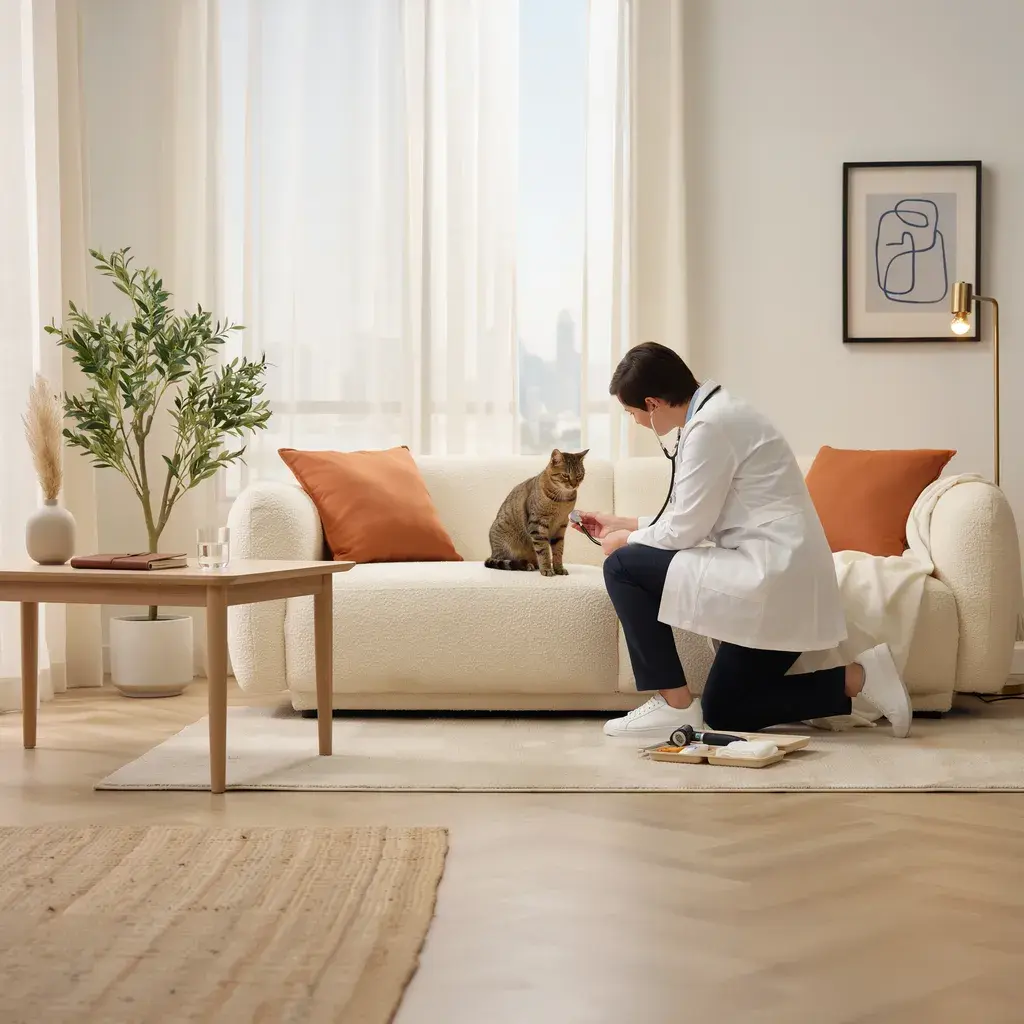
Summer brings sunshine, longer walks, and outdoor fun, but it also brings something less pleasant: summer allergies. Just like humans, pets can suffer from sneezing, itching, watery eyes, and skin irritations due to pollen and other allergens in the air. Understanding how to protect your pet during this season is essential for their comfort and health.
In this blog, we’ll share 7 proven ways to shield your pets from summer allergies.
1. Limit Outdoor Time During Peak Pollen Hours
Pollen levels are usually highest early in the morning and late afternoon.
- To protect your pet, try walking them in the early morning or late evening when pollen counts are lower.
- After every outdoor activity, wipe their paws, belly, and fur with a damp cloth to remove allergens before they spread indoors.
If you notice your pet developing persistent symptoms like itchy skin or watery eyes, it’s a good idea to consult with a trusted Vet Clinic in Dubai for a proper diagnosis and treatment plan.
2. Keep Indoor Air Clean and Fresh
Your home can easily collect pollen and dust from open windows or air conditioning systems.
- Use air purifiers with HEPA filters to maintain clean air indoors.
- Regularly changing filters and vacuuming carpets also helps reduce allergens.
- A clean environment makes it easier for pets to breathe and reduces sneezing or skin irritation.
3. Regular Bathing and Grooming
- Frequent baths using hypoallergenic shampoos can help wash away pollen, dust, and dirt that cling to your pet’s fur.
- Grooming also keeps their coat healthy and reduces shedding.
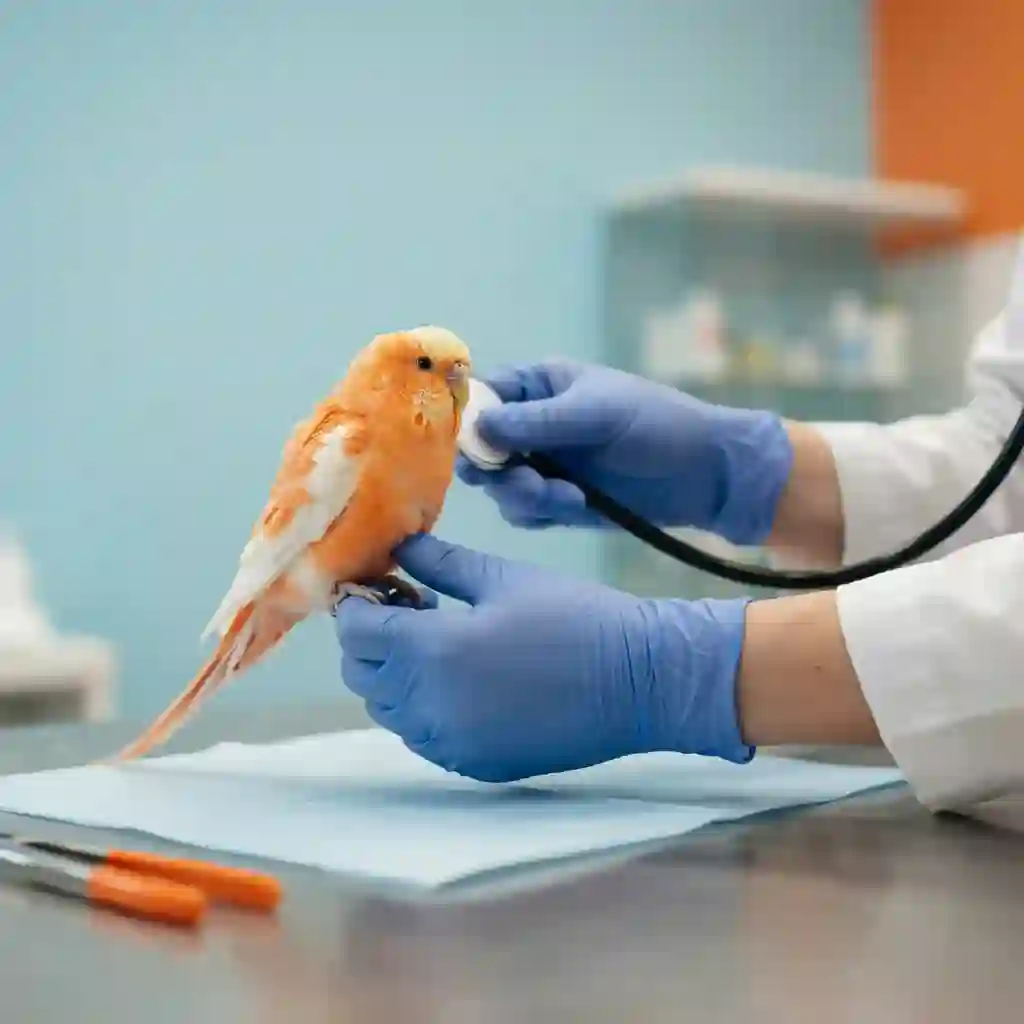
If you own birds, professional bird grooming in Dubai can ensure their feathers remain clean and free from irritants that trigger allergies.
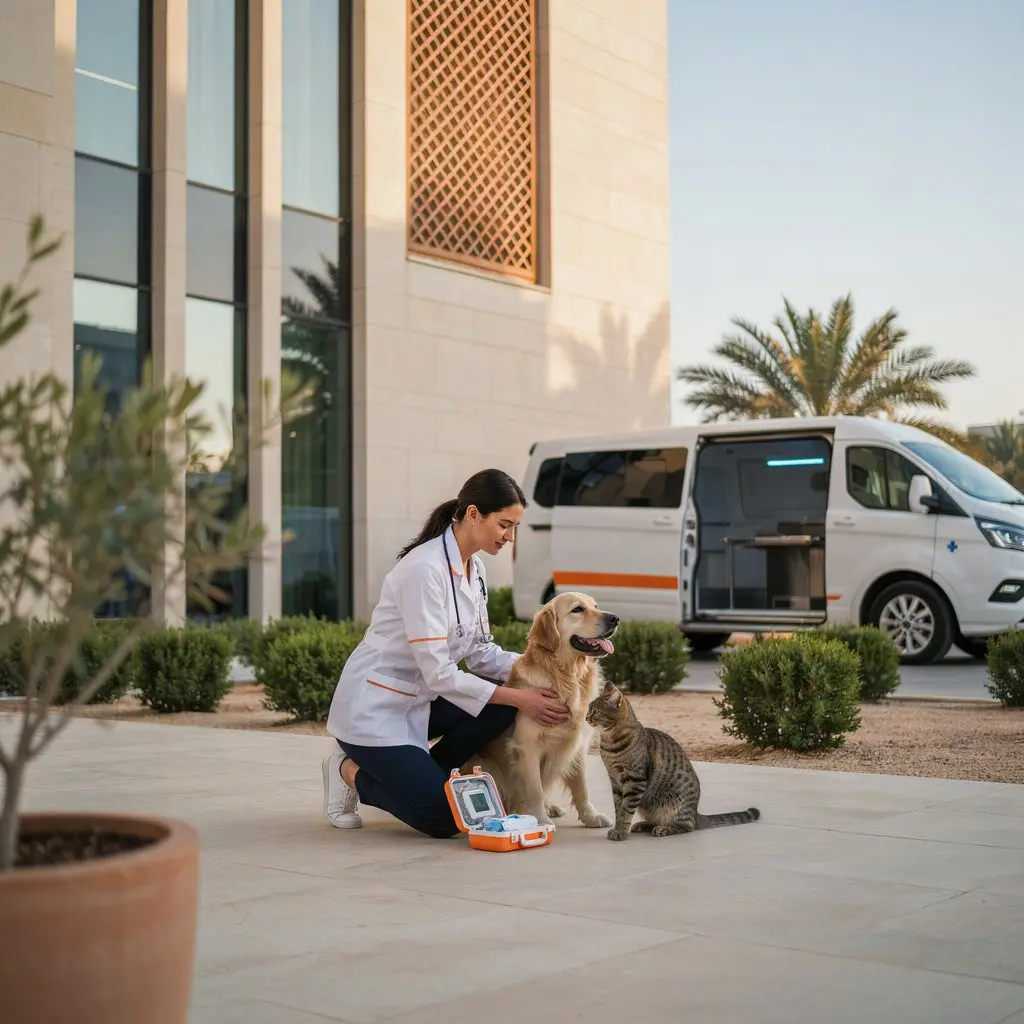
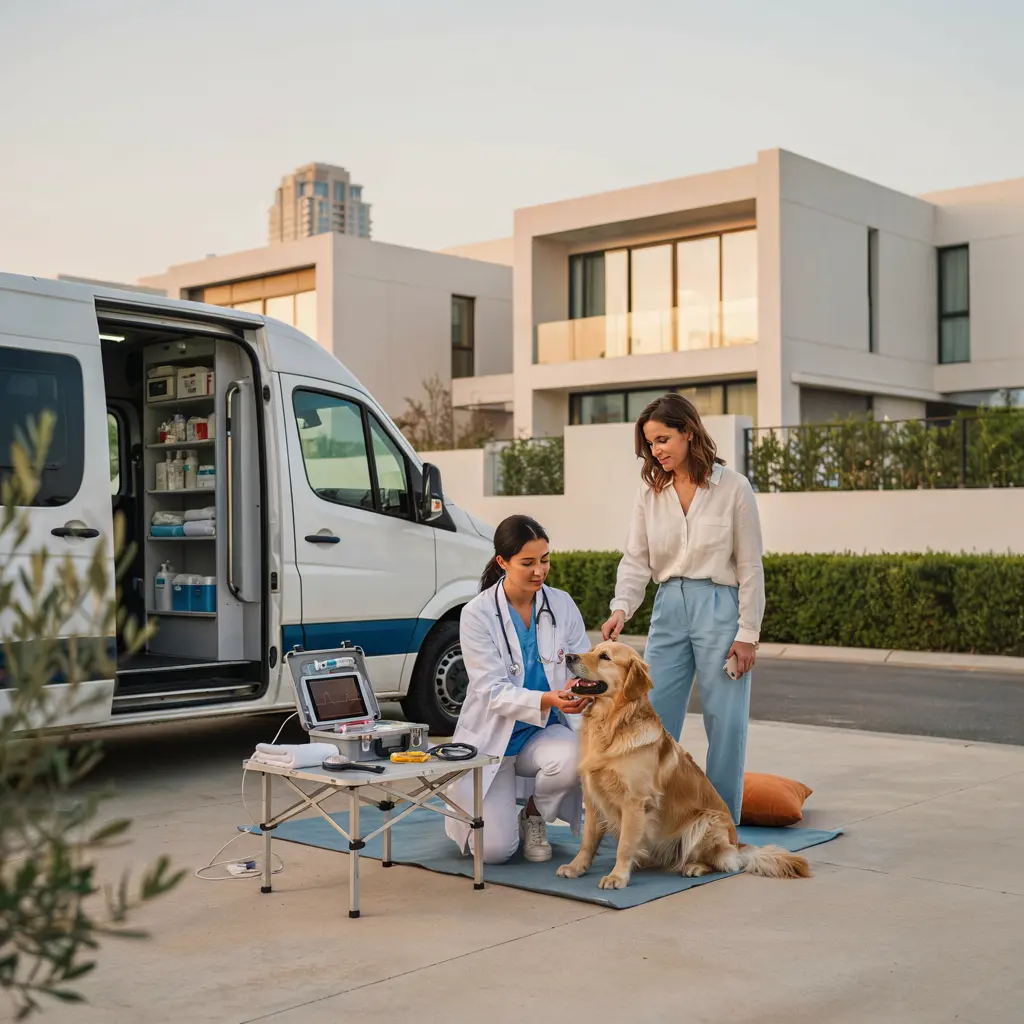
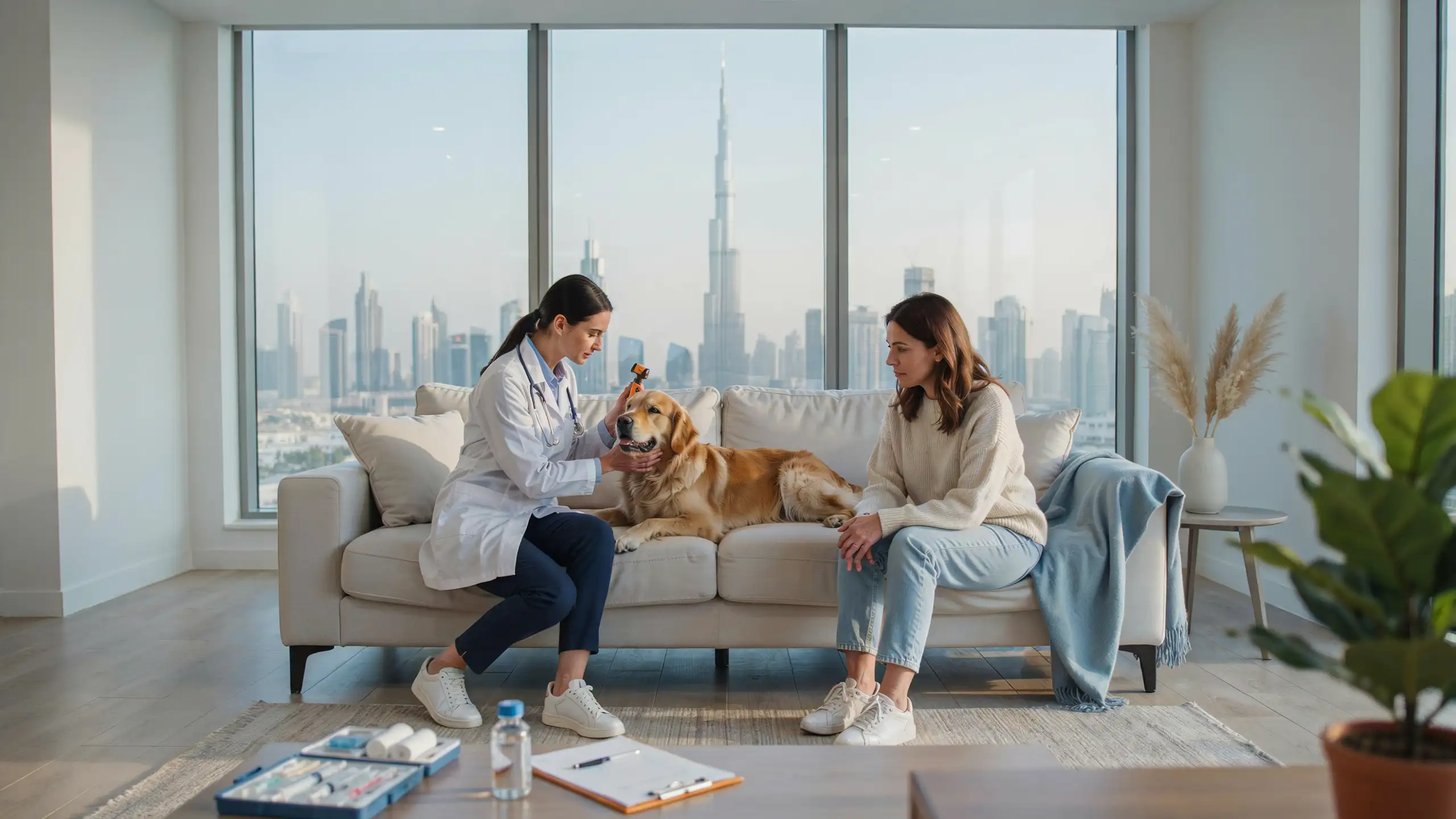
Whether you have a cat, dog, or bird, proper grooming is one of the most effective ways to protect them from summer allergies. If your pet needs extra care, a mobile vet near you can provide convenient professional advice and treatment at home.
4. Maintain a Balanced Diet
A healthy immune system starts with proper nutrition.
- Foods rich in omega-3 fatty acids and antioxidants can strengthen your pet’s natural defenses against allergies.
- Ask your vet for diet recommendations tailored to your pet’s breed and lifestyle.
5. Watch for Early Signs of Allergies
Common symptoms of summer allergies in pets include excessive scratching.
- Licking paws.
- Watery eyes.
- Runny nose.
- Patchy fur loss.
Early Catching Signs
- Catching these signs early can help prevent complications like skin infections or respiratory issues.
- If you notice these symptoms, book an appointment with your local vet for an allergy test and treatment plan.
- Early diagnosis is key to your pet’s comfort and long-term health.
6. Use Vet-Approved Allergy Treatments
- Not all allergy medications are safe for pets.
- Never give them human allergy medicine without consulting your vet.
- Professional Vets can prescribe safe antihistamines, sprays, or supplements that target specific allergens.
- They may also suggest medicated shampoos or soothing ointments to calm irritated skin.
7. Keep Bedding and Toys Clean
- Pollen, dust, and mold spores can easily cling to your pet’s favorite bed, blanket, or toy.
- Wash these items regularly in hot water to eliminate allergens.
- To maintain a healthy environment, opt for hypoallergenic bedding materials and replace old, worn-out items frequently.
Conclusion
Summer allergies don’t have to spoil your pet’s happiness. With these 7 proven ways to shield pets from summer allergies, you can ensure your furry or feathered friend stays comfortable, active, and healthy all season long.
For those wondering how long allergy symptoms last, the answer varies, but these steps can help shorten their duration.