




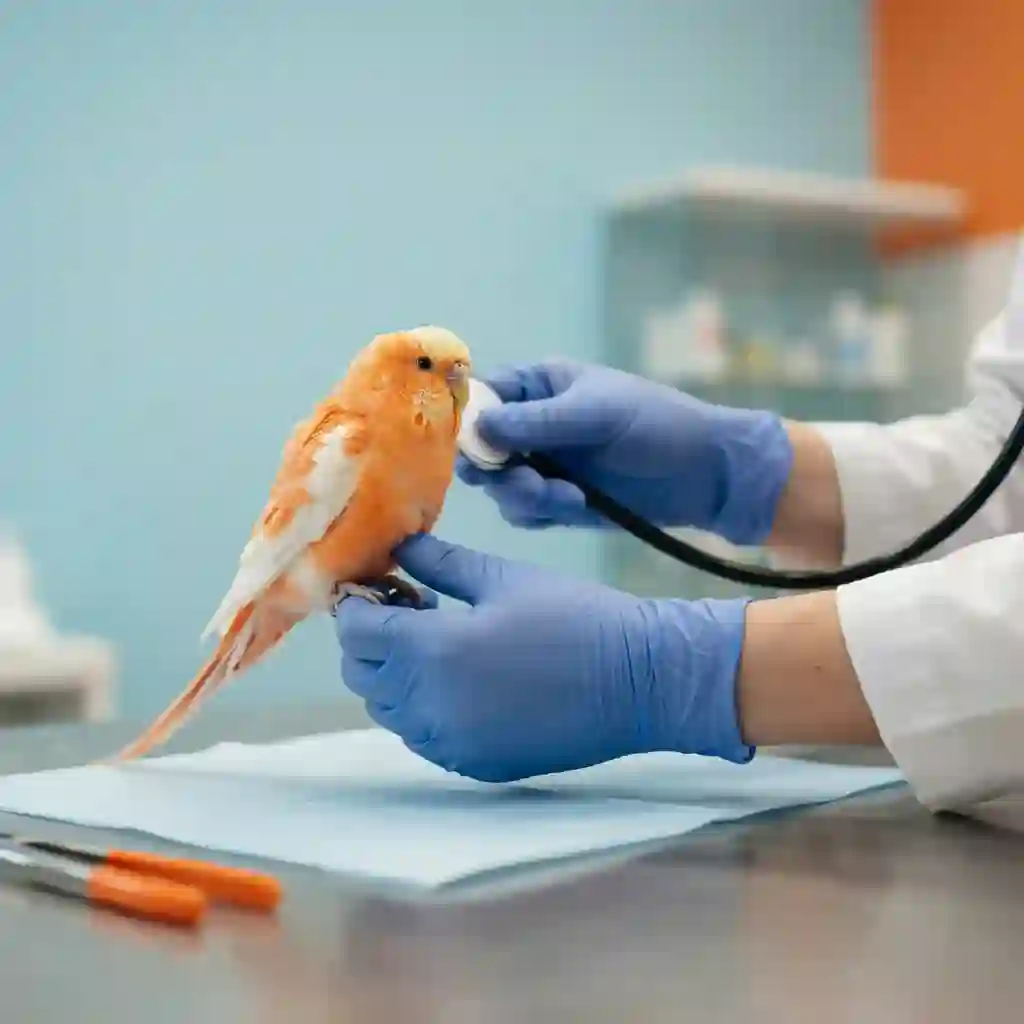
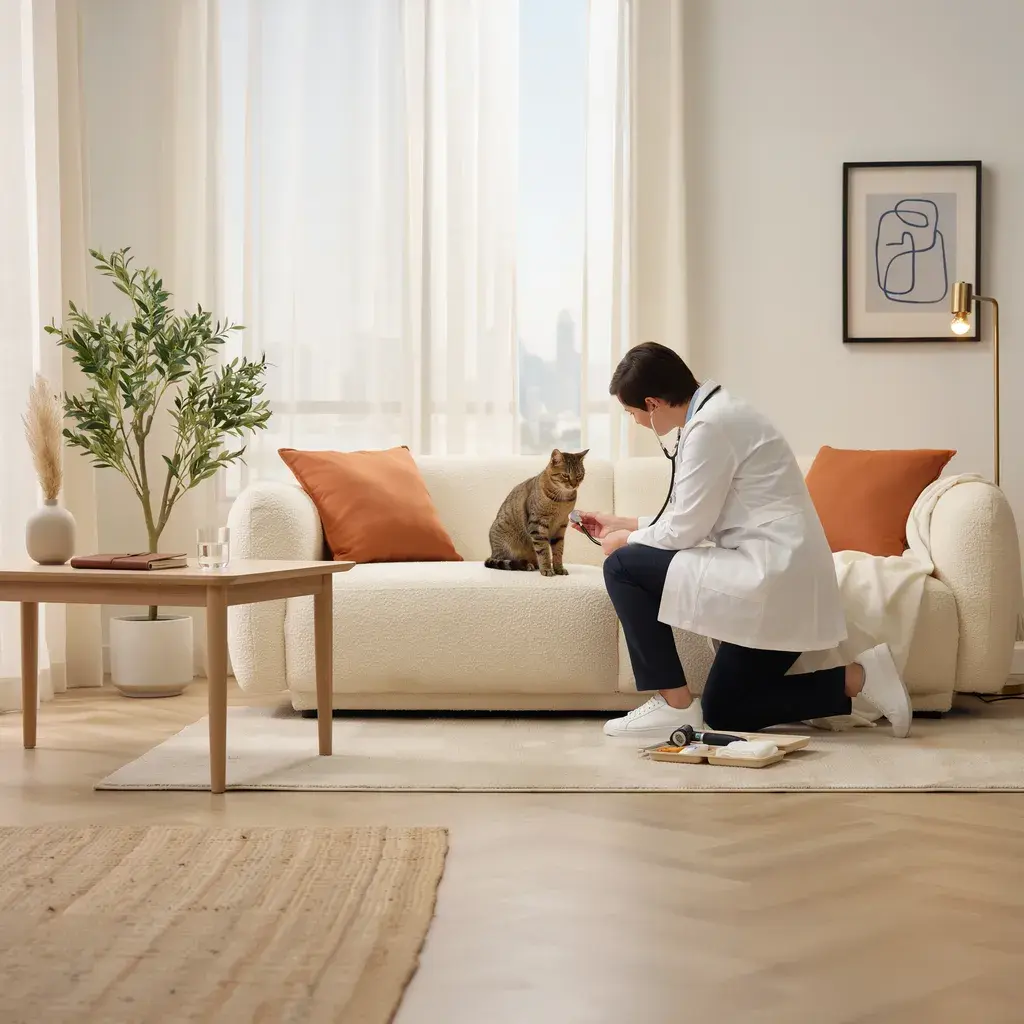
Cats are known for their sleek coats and graceful grooming habits, but even the most pampered feline can suffer from skin problems. From itching and redness to fur loss and scabs, skin issues are more common than many cat owners realize. Recognizing the early signs can make a huge difference in your cat’s comfort and health.
In this blog, we’ll discuss the causes, symptoms, and prevention methods for the most common cat skin conditions.
1. Causes / Reasons of Cat Skin Problems
Cat skin issues can arise from a variety of underlying causes ranging from environmental allergies to parasites. Here are the most frequent culprits:
Fleas and Parasites
- Fleas, mites, and ticks are among the most common external parasites causing cat skin problems.
- Even indoor cats can get fleas from other pets or through windows and doors.
- Flea bites can trigger intense itching and lead to allergic reactions known as Flea Allergy Dermatitis (FAD).
If you suspect parasites, a consultation at a vet clinic in Dubai can provide accurate diagnosis and effective treatment.
Allergies (Environmental or Food)
- Cats can develop allergies to pollen, dust mites, cleaning products, or certain ingredients in their food.
- These allergic reactions often result in inflamed, red, or scaly skin and persistent scratching.
1.3 Fungal and Bacterial Infections
- Ringworm (a fungal infection) and bacterial infections are frequent causes of hair loss and lesions.
- Ringworm is also contagious, which means it can spread to humans and other pets if left untreated.
1.4 Poor Grooming and Hygiene
- Cats that are overweight or suffer from arthritis may struggle to groom themselves properly.
- This can lead to a buildup of oil, dirt, and dead skin cells, creating ideal conditions for irritation and infection.
1.5 Stress and Hormonal Imbalances
- Stress-related overgrooming or hormonal disorders such as hyperthyroidism can also cause skin issues.
- If your cat constantly licks or bites a certain area, it could indicate stress or discomfort.
2. Symptoms / Signs of Cat Skin Problems
Recognizing the symptoms early can prevent your cat’s skin issue from worsening. Keep an eye out for these telltale signs:
- Excessive scratching or licking: Your cat may constantly groom or bite irritated areas.
- Bald patches or thinning fur: Often appear around the neck, back, or tail.
- Scabs, sores, or red spots: Indicate infection, allergies, or insect bites.
- Dry, flaky, or greasy skin: A sign of poor grooming, diet imbalance, or infection.
- Swelling or unusual bumps: Could indicate abscesses, cysts, or allergic reactions.
- Unpleasant odor: Often points to bacterial or yeast infections.
3. Prevention of Cat Skin Problems
Preventing cat skin issues is much easier than treating them. Here’s how you can protect your cat’s skin and keep their coat healthy:
- Regular Vet Checkups
Routine visits to a Vet ensure early detection of potential skin issues. Your vet can identify allergies, parasites, or infections before they become severe.
- Maintain a Balanced Diet
Feed your cat a high-quality diet rich in omega-3 fatty acids and vitamins. Proper nutrition supports skin health and strengthens the immune system.
- Keep Parasites Away
Use vet-recommended flea and tick prevention treatments regularly. Maintaining a clean environment also reduces the risk of re-infestation.
- Regular Grooming
Brushing your cat’s coat removes dirt, debris, and dead hair. Grooming also helps distribute natural oils that keep their skin moisturized. To keep a multi-pet household healthy, it’s important to care for all your animals.
A comprehensive bird grooming in dubai can address your cat’s skin issues and even provide professional bird grooming.
- Stress Management
Provide your cat with a peaceful environment and plenty of stimulation. Toys, scratching posts, and cozy resting spots help reduce anxiety-related grooming issues.
Final Thoughts
Cat skin problems are more common than most owners realize, but with timely care and proper prevention, your feline friend can enjoy a healthy, shiny coat. Always pay attention to unusual grooming behaviors or changes in your cat’s skin texture, and never hesitate to consult a vet clinic in Dubai or book a Mobile Vet visit for expert advice and to learn their proven pet skin care secrets.