




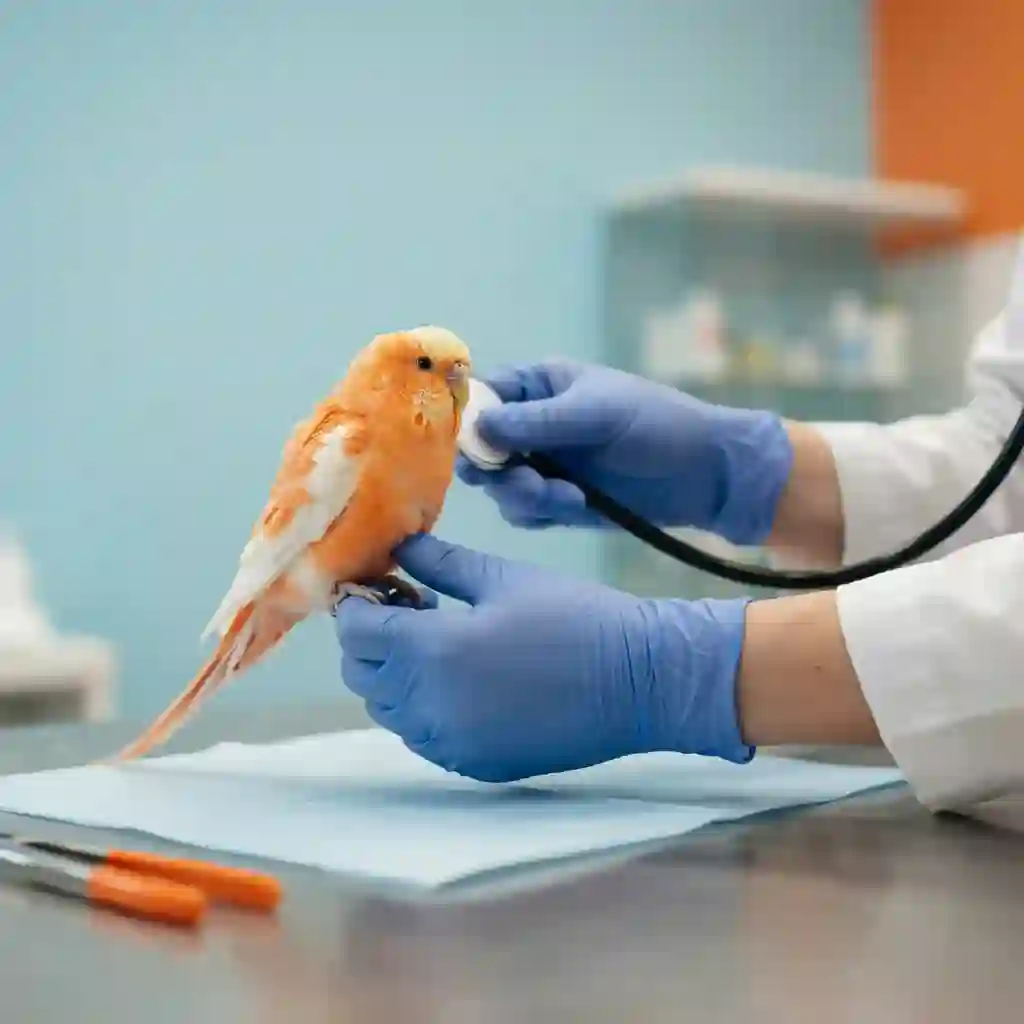

If you’ve ever wondered, Do dogs get fevers? The answer is yes, and understanding the symptoms can make all the difference in your pet’s recovery.
Just like humans, dogs can develop fevers when their bodies are fighting off infections or inflammation. But unlike us, dogs can’t tell you when they feel unwell, making it crucial for pet parents to recognize the signs early. At the Vet Clinic in Dubai, veterinarians often see dogs with fever symptoms that go unnoticed until they worsen.
In this blog, I will explain the signs, symptoms, and treatment for dog fever.
Common Causes of Fever in Dogs
Fever in dogs can be triggered by several factors. Some of the most common include:
- Infections:
Bacterial, viral, or fungal infections (such as ear, urinary tract, or respiratory infections) are leading causes.
- Inflammation or Injury:
Wounds or internal inflammation from conditions like pancreatitis can raise body temperature.
- Vaccinations:
A mild fever after vaccination is normal and usually subsides within 24 to 48 hours.
- Ingestion of Toxins:
Certain plants, human medications, or spoiled food can cause fever as the body reacts to toxins.
- Underlying Illnesses:
Sometimes a fever is a sign that the body is fighting its own cells, like in some diseases or cancers.
Signs and Symptoms of Dog Fever
Since your furry friend can’t speak, spotting subtle changes in behavior is key.
Look for these signs:
- Lethargy or tiredness
- Loss of appetite
- Shivering or trembling
- Warm ears or nose
- Panting or rapid breathing
- Coughing or nasal discharge
- Red or glassy eyes
If you notice two or more of these symptoms together, it’s best to check your dog’s temperature and contact your vet immediately.
How to Check Your Dog’s Temperature Safely
A dog’s normal body temperature ranges between 38°C to 39.2°C (101°F to 102.5°F). Anything above 39.4°C (103°F) is considered a fever. However, you may check the dogs’ temperature by,
- Use a digital thermometer made for pets.
- Lubricate the tip with petroleum jelly.
- Hold your dog calmly and wait for the reading.
- If it’s over 39.4°C (103°F), your dog likely has a fever.
Note: Never use a mercury thermometer; it can break and be dangerous to your pet.
Prevention Tips: Keeping Your Dog Healthy
Prevention is always better than a cure. You can reduce the risk of fever in dogs by:
- Scheduling regular vet checkups
- Maintaining up-to-date vaccinations
- Keeping your dog’s environment clean
- Ensuring proper pet grooming and hygiene
- Avoiding exposure to toxic foods or chemicals
While dogs need regular care, don’t forget that bird grooming in Dubai is also important for your avian pet lovers who want their feathered friends to stay healthy and happy.
How to Treat Dog Fever at Home and When to See a Vet
- If your dog has a mild fever (below 40°C / 104°F), you can.
- Offer fresh, cool water and keep them in a comfortable, cool room.
- Apply a damp cloth to their paws and ears to lower body temperature.
- Never give human medications like ibuprofen or paracetamol; they’re toxic to dogs.
Final Thoughts
So, do dogs get fevers? Absolutely, and just like humans, it’s their body’s way of fighting back against illness or infection. Sometimes, a fever can even be linked to underlying issues like dental disease, which highlights the importance of recognizing the Signs Your Dog Needs Dental Cleaning that every owner should know. The key is to recognize the signs early and get professional help when needed.