




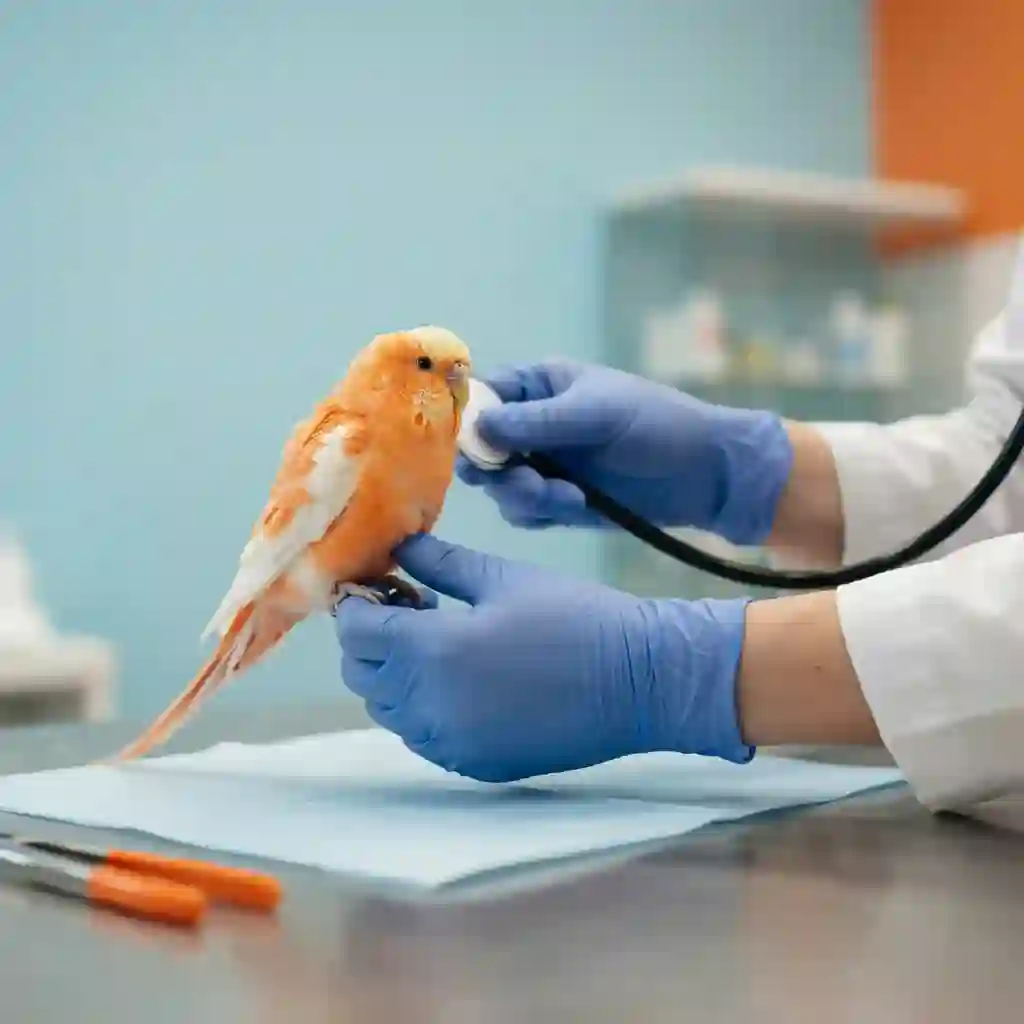

Understanding what your cat is feeling can make your bond stronger and prevent misunderstandings. Cats may not speak, but their body language is full of clues. By learning to read their tails, ears, eyes, and posture, you can better respond to their needs and emotions. If you ever notice unusual behavior or signs of distress, it’s a good idea to consult a Nad al Sheba vet clinic.
Here’s a simple guide to help you read your Cat’s Body Language Easily.
Understanding Your Cat’s Tail Movements
A cat’s tail can reveal a lot about their mood. Observing tail movements is one of the easiest ways to gauge how your cat is feeling.
1. Tail Up: Confidence and Happiness
A tail held high usually indicates a happy and confident cat. If your cat walks toward you with a straight-up tail, it’s a friendly greeting.
2. Tail Twitching or Flicking: Focus or Irritation
Quick tail flicks often mean your cat is irritated or excited. For example, if your cat’s tail flicks during playtime, it’s a sign they are engaged and stimulated.
3. Puffed-Up Tail: Fear or Aggression
A puffed-up tail is a warning signal. It often means your cat feels threatened or scared. Step back and give them space to calm down.
Reading Ear and Eye Signals
Cats communicate a lot through their ears and eyes. Paying attention to these features can prevent misunderstandings.
1. Ear Positions: Calm or Alert
- Forward-facing ears: Relaxed and curious.
- Flat or sideways ears: Nervous, scared, or defensive.
- Constantly swiveling ears: Alert and focused on surroundings.
2. Eye Expressions: Friendly or Threatening
- Slow blinking: Trust and affection. You can return a slow blink to bond with your cat.
- Dilated pupils: Excitement, fear, or aggression.
- Narrowed eyes: Discomfort or annoyance.
Decoding Posture and Behavior
A cat’s overall posture and actions speak volumes about their feelings. Watching these signs helps you respond appropriately.
1. Relaxed Posture: Comfort and Security
- Cats lying on their sides or back with paws exposed feel safe and comfortable in their environment.
2. Defensive Posture: Caution Needed
- An arched back, fur standing on end, and crouched legs indicate your cat feels threatened.
- Avoid sudden movements or attempts to pet them when in this state.
3. Playful Signals: Invitation to Engage
- Pouncing, gentle pawing, or rolling around is your cat’s way of inviting you to play.
- Interactive toys can enhance this engagement and prevent boredom.
If you notice your cat enjoying playtime but showing signs of matted fur or dirt, A session at a Pet Grooming in Nad Al Sheba can help keep them clean and comfortable.
Practical Tips to Improve Cat Communication
Knowing what your cat’s body language means is just the first step. Here are some ways to improve communication and trust:
- Spend time observing: Watch your cat in different situations to notice patterns.
- Respect boundaries: If your cat shows signs of irritation, give them space.
- Engage with play and affection: Respond to friendly signals like tail-up greetings or slow blinks.
- Create a safe environment: Cats feel more secure in predictable, calm surroundings.
Conclusion
Reading your cat’s body language doesn’t have to be complicated. By observing tail movements, ear positions, eye expressions, and posture, you can better understand their emotions and respond with care. Start paying attention today, and your bond with your feline friend will grow stronger every day.
These Small observations can help you communicate effectively with your cat and keep them happy and stress-free. Additionally, being aware of how to recognize Common Cat Skin Problems and addressing them can ensure your cat stays healthy and comfortable.