
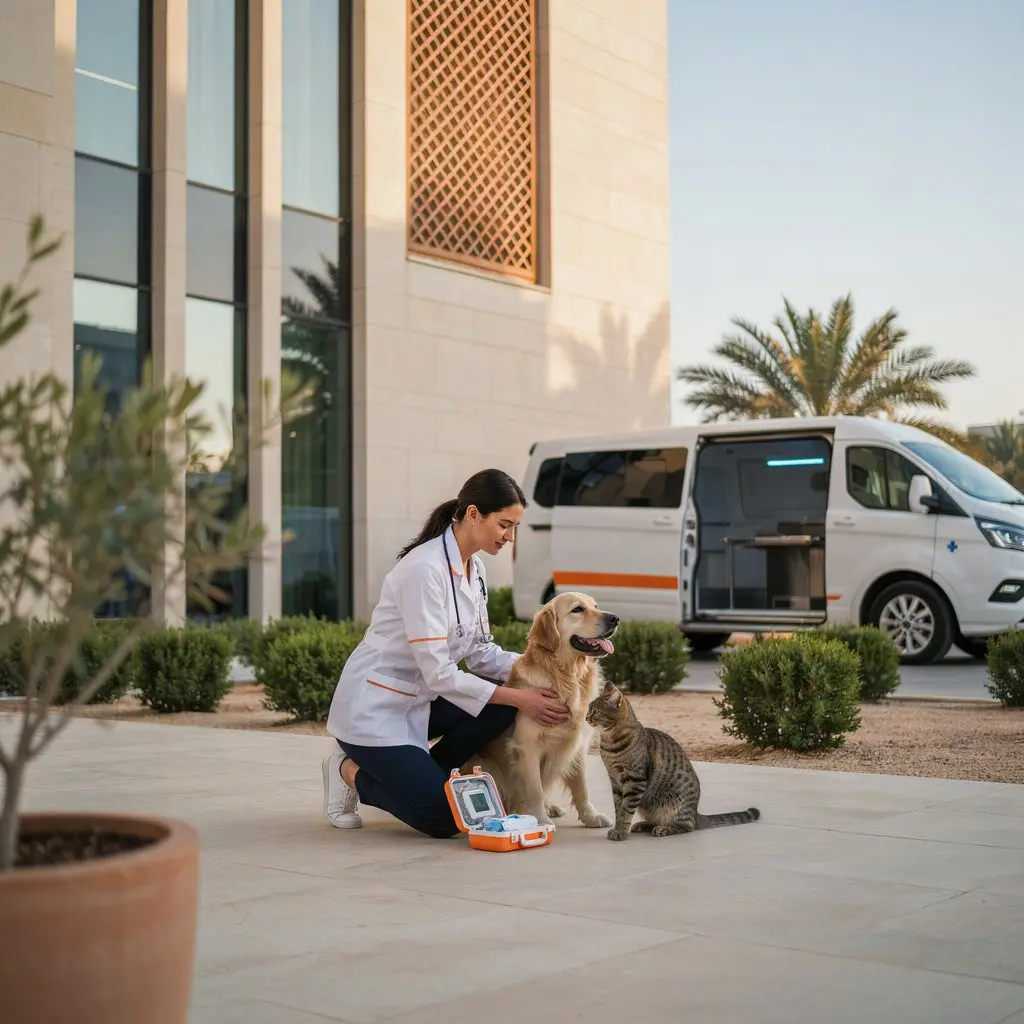
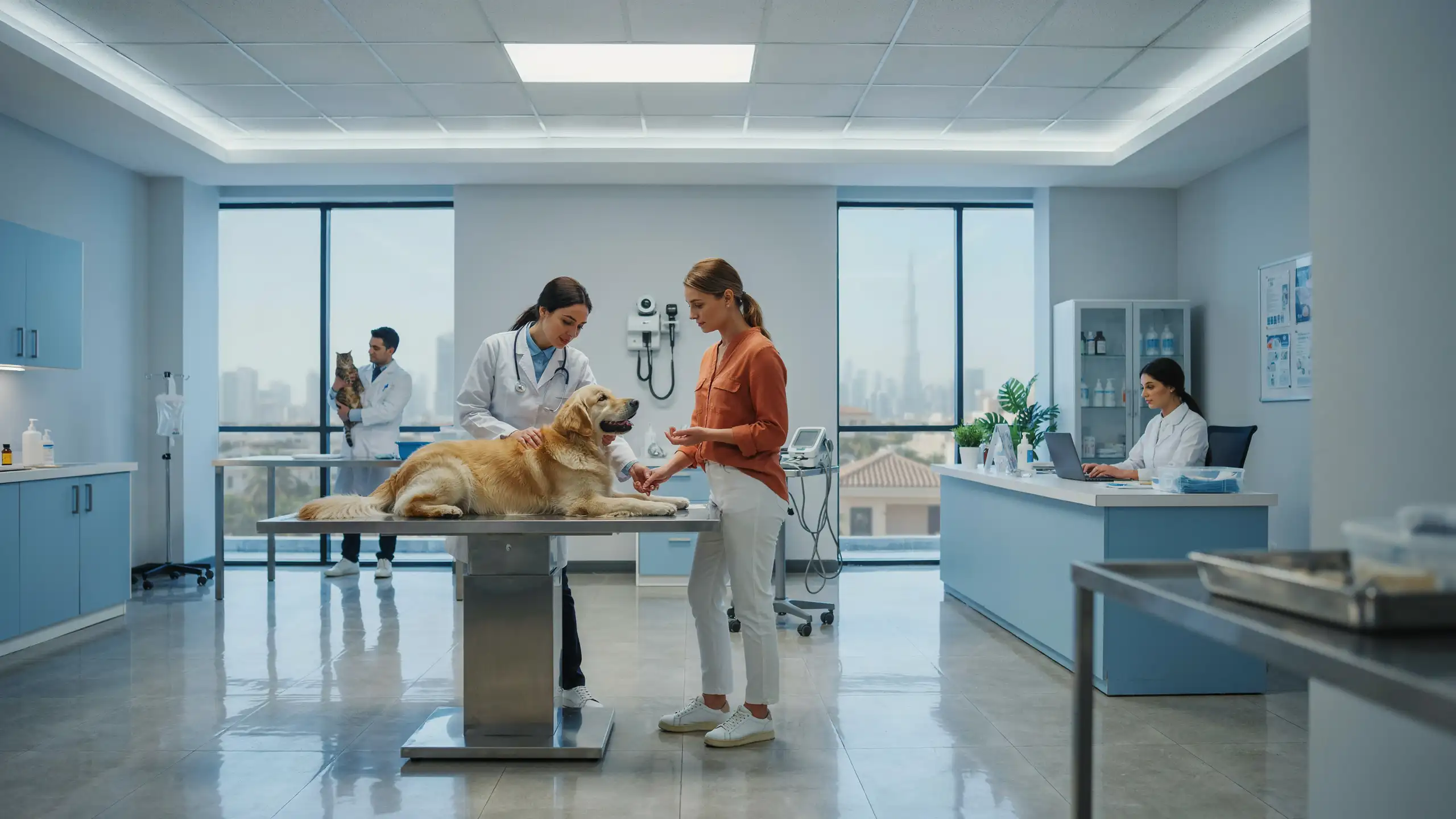
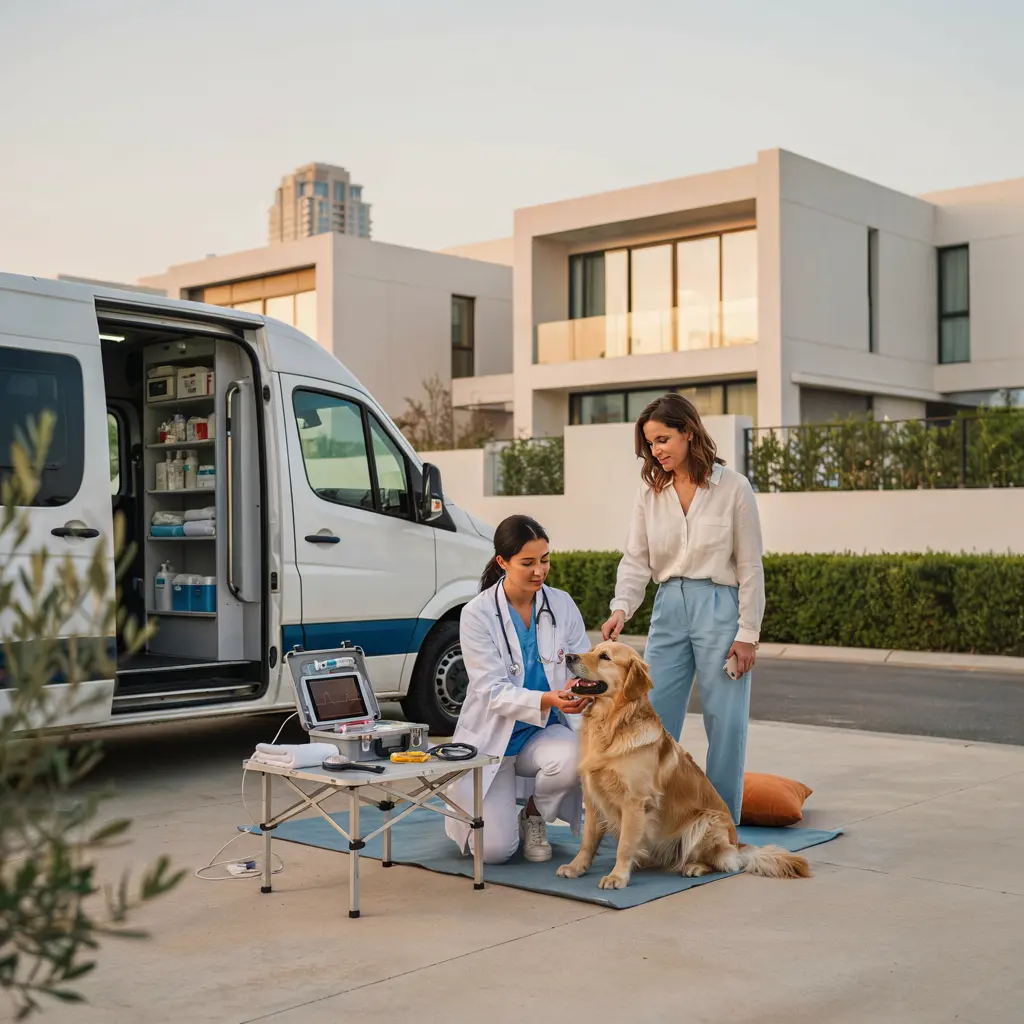

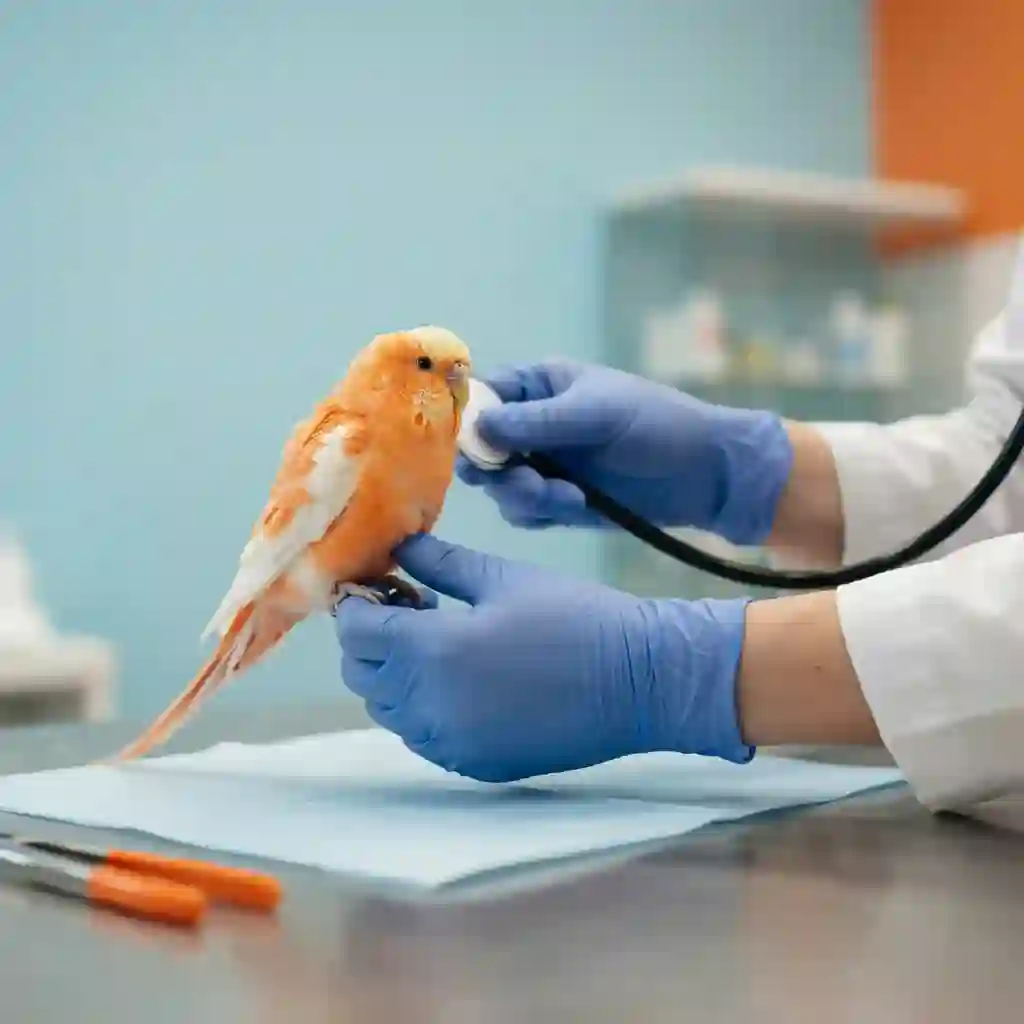
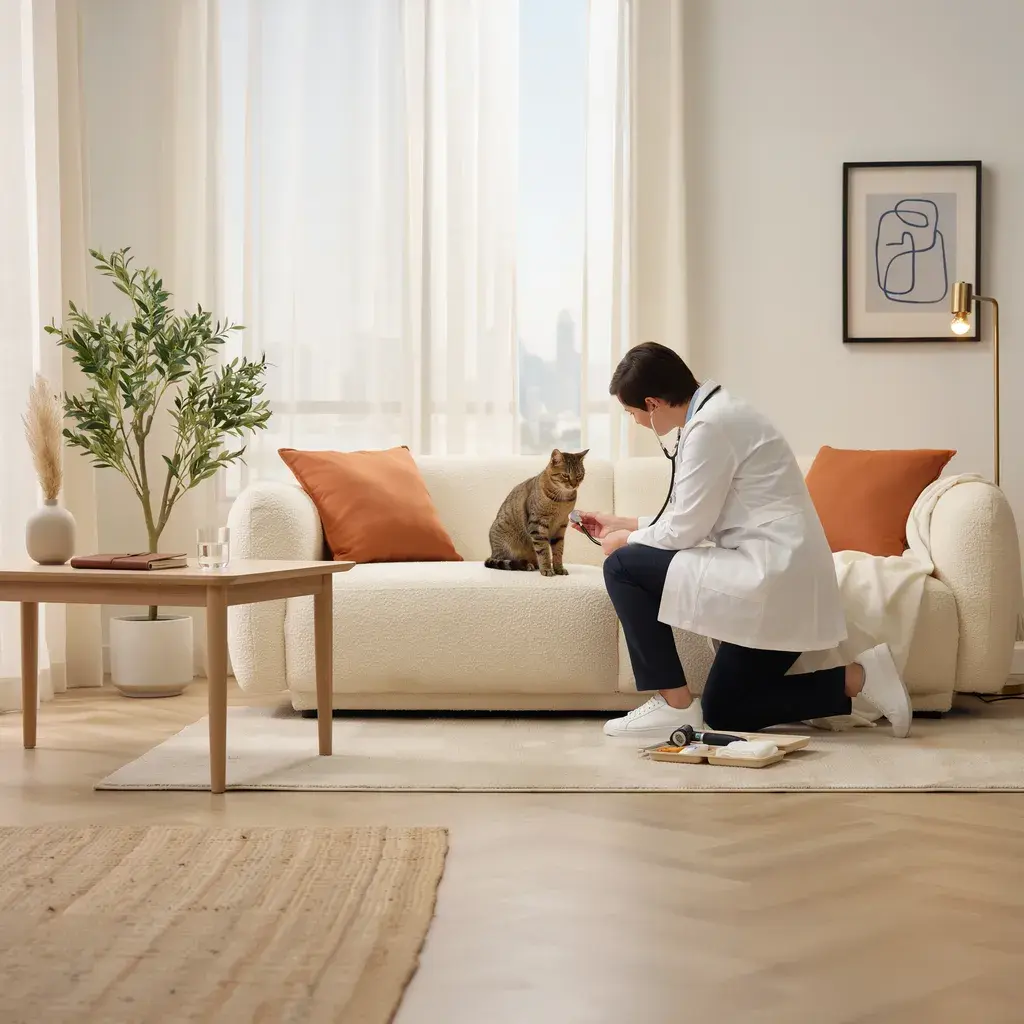
As a pet owner, I’ve learned the hard way that accidents can happen when you least expect them. From a minor cut during playtime to sudden allergic reactions, having a pet first aid kit at home is not just smart, it’s essential. In case of serious injuries, I always make sure to know the nearest Vet Clinic in Dubai for prompt professional care.
Over the years, I’ve prepared a reliable kit and gained hands-on experience in using it safely, and I’m sharing these insights to help fellow pet parents stay prepared.
The Importance of a First Aid Kit for Every Pet Owner
Pets are naturally curious and often get into situations that can cause injuries or health issues. I remember when my dog chewed on a thorny branch during a walk. If I hadn’t had a first aid kit ready, a small wound could have escalated into a serious infection.
Having a dedicated kit ensures:
- Immediate response to injuries and emergencies.
- Reduced stress for both pets and owners.
- Better chances of preventing infections or worsening conditions.
Essential Items for Your Pet First Aid Kit
When I first built my kit, I wanted it to cover all basic emergencies. Here’s a list of must-haves:
1. Wound Care Essentials
- Sterile gauze pads and bandages.
- Antiseptic wipes and pet-safe ointments.
- Adhesive tape (preferably hypoallergenic).
2. Tools and Equipment
- Digital thermometer.
- Tweezers and scissors.
- Muzzle (for safety if your pet is stressed or in pain).
3. Medications and Supplements
- Hydrogen peroxide (use only if your veterinarian instructs you to induce vomiting).
- Activated charcoal (for certain poisoning cases).
- Pet-specific pain relief (always consult your vet first).
4. Miscellaneous Items
- Instant cold packs.
- Soft cloths or towels.
- Emergency contact list (vet, animal hospital, poison control).
Tip: Keep all items in a waterproof container and store it in an easily accessible spot.
How to Use Your Pet First Aid Kit Safely
Experience taught me that knowing how to use items in the kit is just as important as having them. Here are practical pointers:
- Minor Cuts and Scrapes: Clean gently with antiseptic, apply ointment, and bandage loosely.
- Burns: Cool with a wet cloth for at least 10 minutes before applying a suitable pet-safe ointment.
- Choking: Only attempt to remove objects from the mouth if you can see and reach them safely. Otherwise, go straight to emergency care.
- Ingested Toxins: Do not induce vomiting unless instructed by your vet or poison control.
Always remember: your kit is for first aid, not a replacement for professional veterinary care, so in serious situations, it’s best to contact an Emergency Vet Clinic Nad Al Sheba for immediate attention.
Tips for Maintaining an Effective Pet First Aid Kit
- Keep the kit in a consistent, easily accessible location.
- Include a first aid manual or quick-reference guide.
- Educate all family members on how to use the kit.
- Customize your kit based on your pet’s specific needs (e.g., medications for chronic conditions).
Conclusion
Creating a pet first aid kit at home is a practical step every pet owner can take to ensure safety and peace of mind. My experience has shown that being prepared prevents panic and can even save your pet’s life. Start small, include essential items, and gradually enhance your kit as you gain confidence, following Vet-Approved Tips That Could Save Your Pet’s Life for the best results. Your furry friends deserve a safe, well-prepared home just as much as you do.