




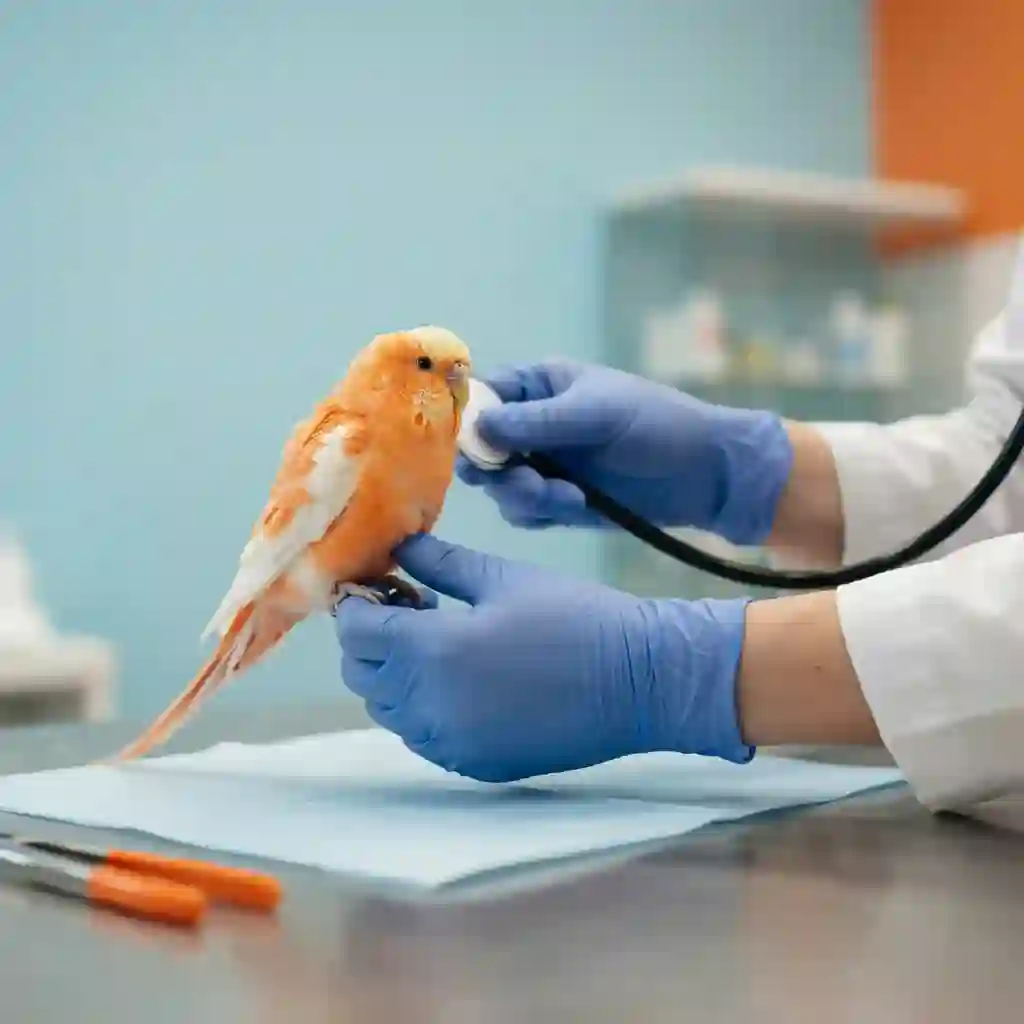

I’ve faced the frustration of seeing my furry friend suffer from intense itching, red skin, and discomfort caused by flea allergy dermatitis (FAD). After dealing with it firsthand and consulting with veterinarians at a trusted Vet Clinic in Dubai, I discovered safe and effective strategies to treat and prevent this common condition during my time in Dubai.
In this guide, I’ll share my experience, tips, and trusted advice to help you protect your dog and restore their comfort.
Understanding Dog Flea Allergy Dermatitis
Flea allergy dermatitis is a skin reaction caused by an allergic response to flea saliva. Sensitive dogs can experience severe itching from as little as a single flea bite. From my experience, recognizing the signs early is crucial for prompt treatment. Common symptoms include:
- Persistent scratching, biting, or licking.
- Red, inflamed skin and hair loss.
- Scabs or crusts on the back, tail, and belly.
- Restlessness or irritability due to discomfort.
It’s important to note that not every itchy dog has fleas, but FAD is one of the most common causes of allergic reactions in dogs.
Safe Treatment Options for Flea Allergy Dermatitis
Treating FAD effectively requires a combination of flea control, skin care, and sometimes medication. Here’s what worked for my dog:
1. Effective Flea Control
The first step is eliminating fleas from your dog and home. Options include:
- Topical flea treatments: Applied monthly, these kill fleas on contact.
- Oral flea medications: Fast-acting and convenient for long-term control.
- Flea collars: Useful as an additional preventive measure, especially in high-risk areas.
- Home cleaning: Wash bedding, vacuum carpets, and treat the environment with safe flea sprays.
Consistency is key; missing a dose or neglecting home cleaning can prolong the problem.
2. Soothing the Skin
FAD often leaves the skin inflamed and itchy. To relieve discomfort:
- Use medicated shampoos containing oatmeal or aloe vera.
- Apply topical sprays or creams prescribed by a vet to reduce itching.
- Ensure the coat stays clean and dry, as moisture can worsen irritation.
In Dubai, I found that gentle bathing with a soothing shampoo twice a week helped calm my dog’s skin dramatically, and my vet recommended keeping an eye on any severe reactions that might require pet allergy emergency care in Dubai.
3. Medications for Severe Cases
For dogs with intense reactions, vets may recommend:
- Antihistamines to reduce allergic responses
- Corticosteroids for short-term inflammation control
- Antibiotics are used if secondary skin infections occur
Always follow your veterinarian’s instructions closely, as improper use can cause side effects.
Preventing Flea Allergy Dermatitis
Prevention is always better than treatment. From my experience, implementing a routine flea-prevention plan has kept my dog comfortable year-round:
- Administer flea treatments consistently, even in off-seasons.
- Regularly cleaning your home and yard helps prevent fleas from infesting your dog’s environment.
- Regularly check your dog for early signs of itching or skin irritation.
- Maintain a healthy diet to strengthen your dog’s skin and coat.
Monitoring and Follow-Up
Even after treatment, it’s important to monitor your dog’s condition. Watch for recurring itching, hair loss, or redness, as FAD can flare up if fleas return. Regular vet check-ups help ensure your dog stays healthy and allergy-free.
Conclusion
Treating dog flea allergy dermatitis doesn’t have to be stressful. With early detection, consistent flea control, proper skin care, and veterinary guidance, your dog can stay comfortable and happy. From my experience, combining these strategies, along with the best flea and tick treatment for dogs, not only relieved my dog’s discomfort but also prevented future flare-ups. Remember, patience and consistency are key; your furry friend deserves it!