




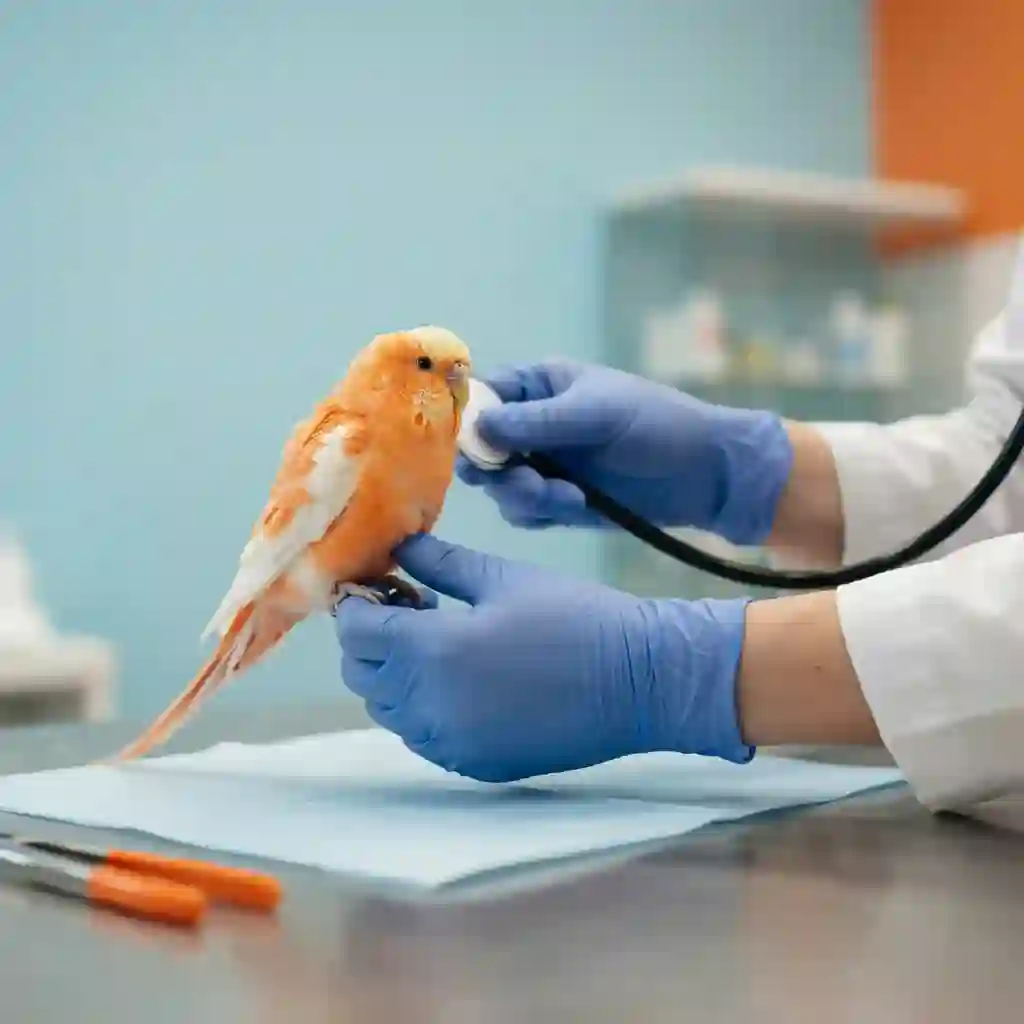

Few things worry a dog owner more than seeing specks of blood in their dog’s vomit. I still remember the first time it happened with one of my dogs, the sudden panic and racing thoughts about what could be wrong. I remember when I was in the city and saw the first signs of blood in my dog’s vomit; consulting Nad Al Sheba Veterinary Clinic helped me understand the best course of action.
In this guide, I’ll share the causes, signs to watch for, and practical treatments, combining my hands-on experience with insights from veterinary expertise.
Understanding Why Blood Appears in Dog Vomit
Seeing blood in your dog’s vomit doesn’t always mean a severe problem, but it should never be ignored. In my experience, the cause can range from minor irritation to more serious health issues.
Minor Causes
- Gastrointestinal irritation: Sometimes, small blood specks appear after your dog eats something sharp, like a bone fragment or rough treat.
- Gum or dental issues: Dogs with bleeding gums can swallow small amounts of blood that later appear in vomit.
- Minor scratches in the esophagus: Occasional vomiting or retching can irritate the esophagus, leaving tiny traces of blood.
Serious Causes
- Gastric ulcers: Chronic vomiting, loss of appetite, and lethargy may indicate ulcers, which require veterinary attention.
- Infections or parasites: Some bacterial infections or intestinal parasites can damage the stomach lining and cause bleeding.
- Coagulation disorders: Certain diseases affect blood clotting, leading to visible blood in vomit.
Recognizing the Warning Signs
From what I’ve seen in Dubai, small traces of blood in vomit aren’t always serious, but paying attention to your dog and consulting Pet Vomiting & Diarrheal Treatment in Dubai when needed can make all the difference.
Seek immediate veterinary care if your dog shows:
- Large amounts of blood or dark, tarry vomit.
- Persistent vomiting for over 24 hours.
- Weakness, lethargy, or collapse.
- Pale gums or rapid heartbeat.
Even specks combined with these signs can signal a serious condition.
Treatment Options for Blood in Dog Vomit
Treatment depends on the underlying cause. Here’s what I’ve learned from caring for dogs and consulting veterinarians.
Home Care for Minor Cases
- Fasting: Allow your dog’s stomach to rest for 12 to 24 hours, giving only water in small amounts.
- Bland diet: Introduce boiled chicken and rice gradually after fasting.
- Monitor: Keep track of any changes in vomiting, appetite, or behavior.
Veterinary Care for Serious Cases
- Diagnostic tests: Blood work, x-rays, or ultrasound help identify ulcers, infections, or internal bleeding.
- Medications: Depending on the diagnosis, vets may prescribe antibiotics, anti-nausea medication, or acid reducers.
- Fluid therapy: Dogs with dehydration may need IV fluids to recover.
Tip: Always keep a sample of vomit or note its color, consistency, and frequency. This helps the vet make a faster, accurate diagnosis.
Preventing Future Occurrences
Preventing vomiting with blood requires attention to diet, environment, and health checks. Here are some strategies I’ve used successfully:
- Feed high-quality, easily digestible food.
- Avoid giving bones that splinter or foreign objects that can irritate the stomach.
- Maintain regular dental hygiene to prevent gum bleeding.
- Keep up with routine vet visits and vaccinations.
Conclusion
Noticing specks of blood in dog vomit can be frightening, but understanding the causes and acting quickly can make a huge difference. Even if home care helps with minor irritation, ongoing or serious symptoms need a vet’s attention, and applying Proven Ways to Calm Pet Anxiety Fast can make the experience less stressful for your dog. By staying observant and proactive, you can keep your dog healthy, happy, and safe.