




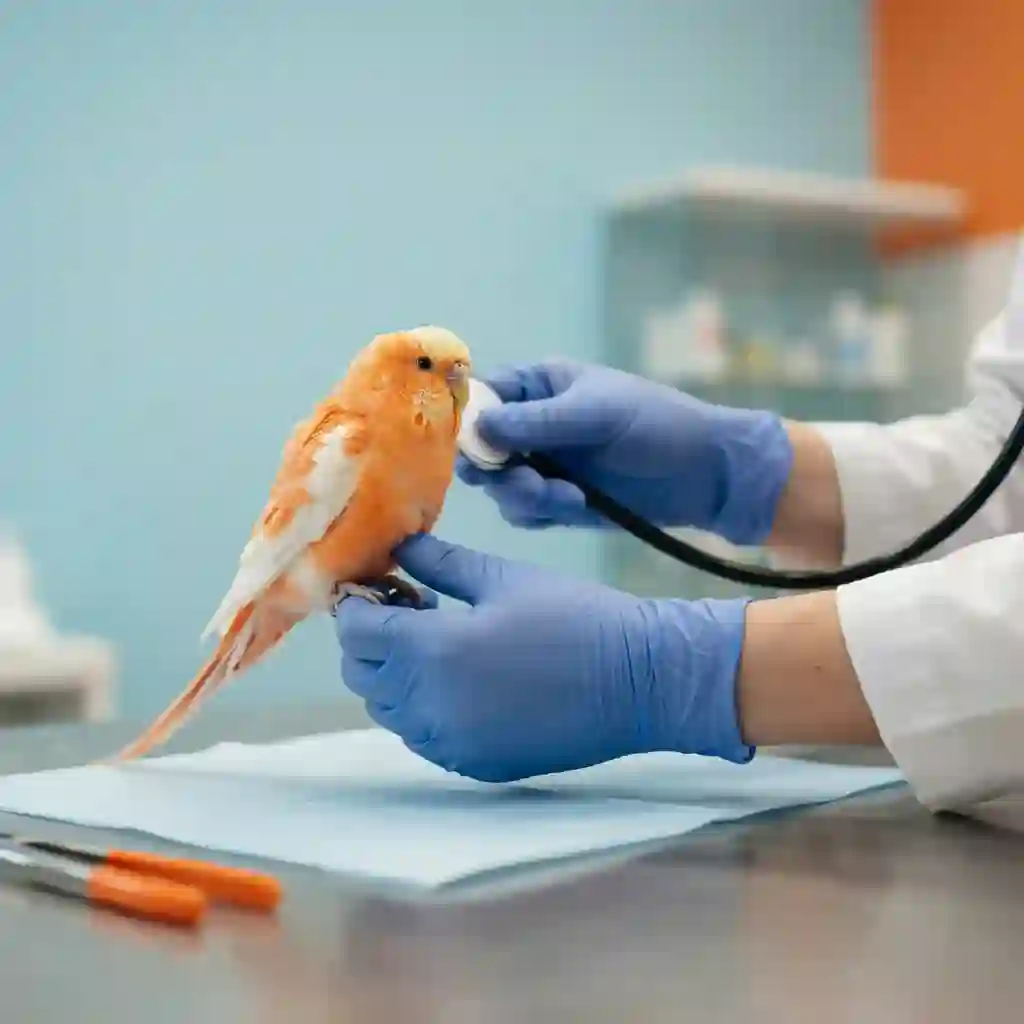

Experiencing a seizure with your dog can be terrifying and stressful, and many pet owners wonder, what to do after a dog has a seizure. Knowing how to respond quickly can help your dog recover safely and avoid complications. Whether it’s a first-time seizure or a recurring episode, immediate care and proper monitoring are key in any Vet emergency Dubai situation.
Understanding Dog Seizures
Seizures in dogs are caused by sudden, uncontrolled electrical activity in the brain. Common causes of seizures in dogs include:
- Epilepsy or other neurological disorders
- Metabolic imbalances
- Toxin exposure
- Infections or fever
- Genetic conditions
Some dogs may experience cluster seizures, which are multiple seizure episodes in a short period. While seizures may not always be painful, dogs can appear disoriented, anxious, or exhausted during and after the event.
Immediate Steps After a Seizure
After a seizure ends, follow these steps to help your dog recover safely:
- Stay calm – your composure will help your dog remain less stressed.
- Create a safe space – remove objects that could cause injury during or after the seizure.
- Time the seizure – recording the duration helps your vet assess severity.
- Provide gentle comfort – avoid loud noises or sudden movements.
- Seek veterinary care – even if your dog seems fine, professional evaluation is recommended, especially for cluster seizures in dogs.
Understanding what to do after a dog has a seizure ensures your pet recovers safely and reduces risks of further complications.
Long-Term Care and Monitoring
Recurring seizures require ongoing attention. Veterinary recommendations may include:
- Anti-seizure medications
- Blood tests and neurological assessments
- Monitoring lifestyle factors to reduce seizure triggers
In severe cases, pet parents may need guidance on decisions like dog seizures when to put down and always consult a trusted veterinarian for advice that prioritizes your dog’s comfort and quality of life.
Are Seizures Painful for Dogs?
While dogs may not experience seizures as painful in the traditional sense, these episodes can still be physically and emotionally stressful for them. Muscle strain, exhaustion, and temporary confusion are common after a seizure, which is why seeking professional Pet seizure treatment in Dubai and providing careful post-seizure support is crucial for their recovery and well-being.
Preventive Measures
Routine vet checkups, proper nutrition, and prompt attention to illness can reduce seizure risks. Also, it’s important to stay informed about pet health. Sometimes healthy dogs can develop illnesses unexpectedly.
FAQs – Dog Seizures
Q: How often should my dog be seen by a vet after a seizure?
A: Any seizure warrants a veterinary assessment. Repeated or cluster seizures need immediate attention.
Q: Can seizures be prevented?
A: Prevention depends on the underlying cause. Medication may help epileptic dogs, while toxin- or infection-related seizures can often be avoided.
Q: How long does recovery take?
A: Most dogs recover within minutes to an hour, though some may remain tired or disoriented longer.
Q: Are seizures dangerous?
A: Single, short seizures usually aren’t life-threatening, but prolonged or cluster seizures in dogs require urgent vet emergency Dubai care.
Conclusion
Knowing what to do after a dog has a seizure can make a huge difference in your pet’s recovery and safety. Immediate care, careful observation, and timely veterinary support are crucial. Whether it’s a first-time seizure or a recurring condition, every pet deserves proper attention.
Sometimes, dogs can also feel unusually weak or Dog tired after vaccines, which can add to their overall stress and requires extra monitoring alongside seizure care. When your dog experiences a seizure, don’t wait, seek professional help at a trusted vet emergency in Dubai to ensure the best outcomes for your furry friend.