




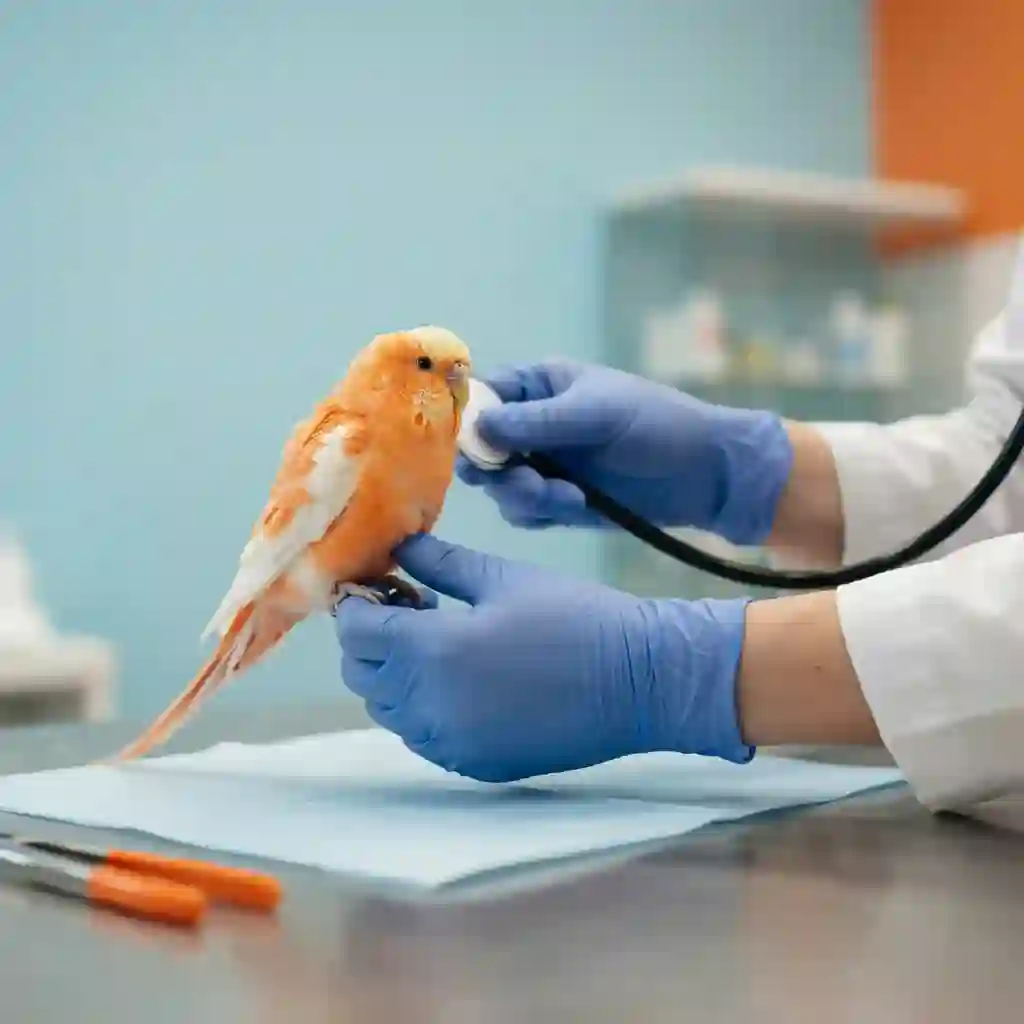

Cats are curious creatures, and unfortunately, that curiosity sometimes leads to exposure to viral infections. A cat viral infection can affect a cat’s respiratory system, immune system, or other vital functions, and veterinarians at a vet clinic in Nad Al Sheba often see these conditions progress quickly without early treatment. Knowing how cats catch viral infections and how they spread helps pet parents protect their feline companions.
What Are Viral Infections in Cats?
A viral infection in cats is caused by a pathogen that invades the body’s cells to replicate and multiply. Common feline viruses include feline herpesvirus (FHV-1) and feline calicivirus (FCV), both of which cause respiratory symptoms like sneezing and eye discharge.
How viruses affect the body of a cat
When a virus enters a cat’s body, usually through the nose or mouth, it attaches to healthy cells and uses them to make more viruses. This process damages tissues, triggers inflammation, and causes the symptoms we recognize as cat flu or respiratory illness.
Common Ways Cats Catch Viral Infections
Cats typically catch viral infections through:
Direct Contact
This is the most common route:
- Nose-to-nose contact with another infected cat
- Grooming or playing with a sick cat
- Kissing, sniffing, or passing secretions containing viral particles
Airborne & Droplet Spread
When an infected cat sneezes or coughs, tiny droplets can contain the virus. Another cat can inhale these droplets, allowing the virus to latch onto respiratory cells.
Fomites (Contaminated Items)
Objects such as food bowls, toys, beds, or even human hands can carry viral particles. Cats exploring these contaminated surfaces may pick up the virus.
How Viral Spread Happens Between Cats
Carrier Cats and Shedding
Some cats may not show signs but can still shed virus particles, unknowingly infecting others. This is called asymptomatic shedding.
Stress and Reactivation
Certain viruses, especially feline herpesvirus, remain dormant in a cat’s body. Stressors such as moving, boarding, or illness can cause the virus to reactivate, making the cat contagious again.
High-Risk Environments
Areas with many cats, shelters, catteries, and adoption centers significantly increase the risk of virus spread due to close contact and shared items.
If a cat shows sudden lethargy, high fever, or difficulty breathing, emergency pet care treatment in Dubai may be required to prevent serious complications.
Prevention Tips & Strategies
- Keep vaccines up to date
- Isolate new or sick cats
- Disinfect bowls, beds, and toys
- Practice handwashing after handling cats
Veterinarians often rely on the Vet laboratory in Nad Al Sheba to accurately identify cat viral infections and rule out bacterial or secondary complications.
Conclusion
Understanding how cats catch viral infections and how they spread is essential for any pet parent. While feline viral infections are common, proper hygiene and the understanding of the types and importance of cat vaccinations can help reduce the risk of infection. With the right knowledge and care, you can help your feline friend stay safe and healthy.
When to look for a Professional
At Happy Tails, our experienced veterinarians in Nad Al Sheba provide expert care for cats of all ages.
- Comprehensive vaccinations and preventive treatments to protect your cat from viral infections.
- Personalized wellness plans tailored to cats of all ages and health needs.
- Trusted and reliable care, backed by years of hands-on experience.
- To ensure every cat stays happy, playful, and thriving, schedule a consultation today
Frequently Asked Questions
Q: Can indoor cats get viral infections?
Yes, indoor cats can catch viral infections through contaminated objects, human contact, or brief exposure to infected animals.
Q: How fast does a cat’s viral infection spread?
A cat viral infection can spread quickly through direct contact, sneezing droplets, or shared bowls and litter boxes.
Q: What is the best way to prevent cat viral infections?
Regular vaccinations, good hygiene, and early veterinary care are the most effective ways to prevent cat viral infections.