




One morning, a worried pet owner rushed into Happy Tails Veterinary Clinic carrying her usually energetic Labrador. “He hasn’t touched his food since yesterday,” she said. Like many owners, she thought he was simply being picky. But after a thorough examination, we discovered the loss of appetite was an early sign of an underlying health condition that needed prompt treatment.
As a veterinary nurse at Happy Tails Veterinary Clinic serving pet owners since 2024, I’ve learned that a dog refusing food is often more than just a change in eating habits. Sometimes it’s temporary, but other times it can signal pain, illness, or digestive problems. In this guide, I’ll explain the common reasons your dog may stop eating, when you should be concerned, and what steps you should take to help them recover.
Common Reasons Why Dogs Stop Eating
1: Temporary Upset or Change in Routine
Dogs are sensitive to changes. A new environment, travel, stress, or even a change in feeding schedule can affect their appetite.
Some common triggers include:
- Moving to a new home
- New pets or people in the house
- Sudden diet changes
- Loud environments or stress
In these cases, your dog may skip a meal or two but usually returns to normal quickly.
2: Illness or Medical Conditions
Loss of appetite is often one of the first signs that something isn’t right. It could be mild—or more serious.
Possible health-related causes:
- Digestive issues (vomiting, diarrhea)
- Infections or fever
- Dental pain or gum disease
- Kidney or liver problems
If your dog is also lethargic, vomiting, or losing weight, it’s important to consult a professional at a trusted Dubai pet clinic for proper evaluation.
3: Vaccination Side Effects
If your dog recently received vaccines, a temporary loss of appetite can occur. This is usually mild and resolves within 24–48 hours.
For example, after dog vaccination in Dubai, some dogs may
- Eat less than usual
- Feel slightly tired
- Show mild discomfort
These symptoms are generally normal and are part of the body’s immune response. However, if they persist beyond 48 hours or worsen, it’s important to schedule a follow-up examination with your veterinarian.
4: Dental Problems
Pain while chewing can discourage your dog from eating. Dental issues are more common than many pet owners realize.
Watch for:
- Bad breath
- Drooling
- Difficulty chewing
- Pawing at the mouth
Regular dental care and vet checkups can help prevent these problems.
5: Picky Eating Habits
Sometimes, the issue is behavioral rather than medical. Dogs can become selective eaters if:
- They’re frequently given treats
- They’re fed table scraps
- Their diet lacks consistency
In such cases, structured feeding routines can help reset their eating habits.
When Should You Be Concerned?
While missing one meal may not be alarming, you should take action if your dog:
- Refuses food for more than 24–48 hours
- Shows signs of weakness or lethargy
- Has vomiting or diarrhea
- Experiences sudden weight loss
- Displays behavioral changes
These symptoms may indicate a deeper health issue that requires professional care.
What You Can Do at Home
Before rushing to conclusions, try a few simple steps:
- Offer fresh, clean water at all times
- Stick to a consistent feeding schedule
- Avoid giving too many treats
- Try warming the food slightly to enhance smell
- Provide a calm, quiet feeding environment
If your dog still refuses to eat, it’s best not to delay veterinary advice.
The Role of Professional Care
Getting timely help can make a big difference. In many cases, early diagnosis prevents complications and ensures faster recovery.
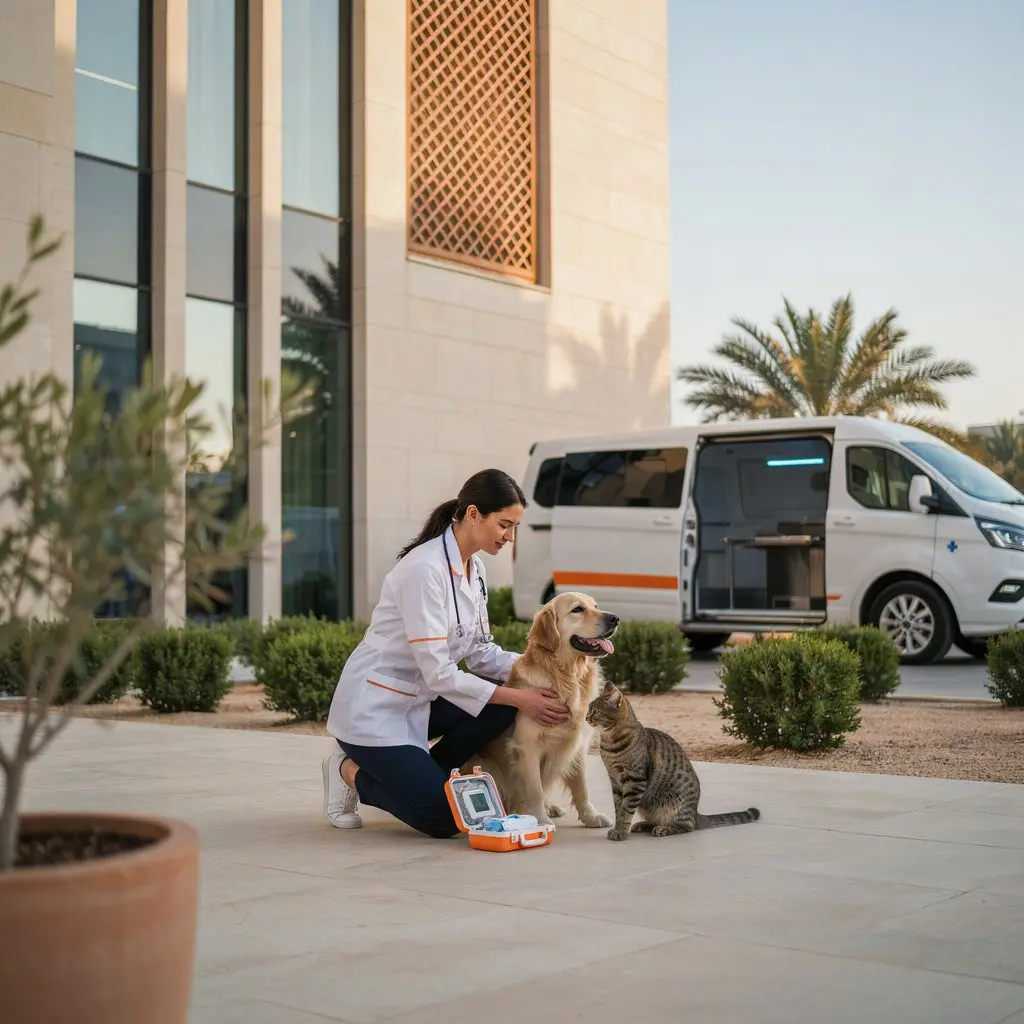
For pet owners who prefer convenience, services like mobile veterinary services in Dubai can be especially helpful. These allow your dog to be examined in a familiar environment, reducing stress and making the process easier for both you and your pet.
Veterinary professionals can:
- Perform a physical examination
- Recommend diagnostic tests if needed
- Identify underlying causes
- Provide appropriate treatment
Preventing Appetite Issues in the Future
Prevention is always better than cure. Maintaining your dog’s overall health can significantly reduce the chances of appetite loss.
Here’s how:
- Keep up with regular vet checkups
- Follow a balanced and consistent diet
- Ensure vaccinations are up to date
- Monitor behavioral and physical changes
- Maintain proper dental hygiene
- Consider convenient mobile vet in Dubai services for routine care at home
According to veterinary insights from Happy Tails, consistent preventive care whether at a clinic or through mobile vet support greatly reduces the risk of sudden health issues in pets.
Conclusion
A dog not eating can range from a minor issue to a sign of something more serious. The key is to observe closely and act early. While occasional appetite changes are normal, persistent refusal to eat should never be ignored.
By understanding the possible causes and knowing when to seek help, you can ensure your dog stays healthy, happy, and well-nourished.
Frequently Asked Questions
1. How long can a dog go without eating?
Most healthy dogs can go 24–48 hours without food, but this is not recommended. If your dog refuses to eat for more than a day, it’s best to consult a veterinarian.
2. Why is my dog not eating but still active?
If your dog is active but not eating, it could be due to stress, diet changes, or picky eating habits. However, if the behavior continues, it may indicate an underlying issue that needs attention.
3. Should I be worried if my dog skips one meal?
In most cases, skipping one meal is not a major concern. Dogs may occasionally lose appetite due to minor reasons, but if it happens frequently, further evaluation is needed.
4. What should I feed my dog if they are not eating?
You can try offering:
- Slightly warmed food
- Soft or wet food
- Plain boiled chicken and rice
If your dog still refuses food, consult a vet instead of experimenting too much.
5. Can stress cause loss of appetite in dogs?
Yes, stress is a common reason. Changes like moving homes, new environments, or separation anxiety can affect your dog’s eating habits.
6. When should I take my dog to the vet?
You should visit a vet if your dog:
- Has not eaten for more than 24–48 hours
- Shows vomiting or diarrhea
- Appears weak or lethargic
- Is losing weight