




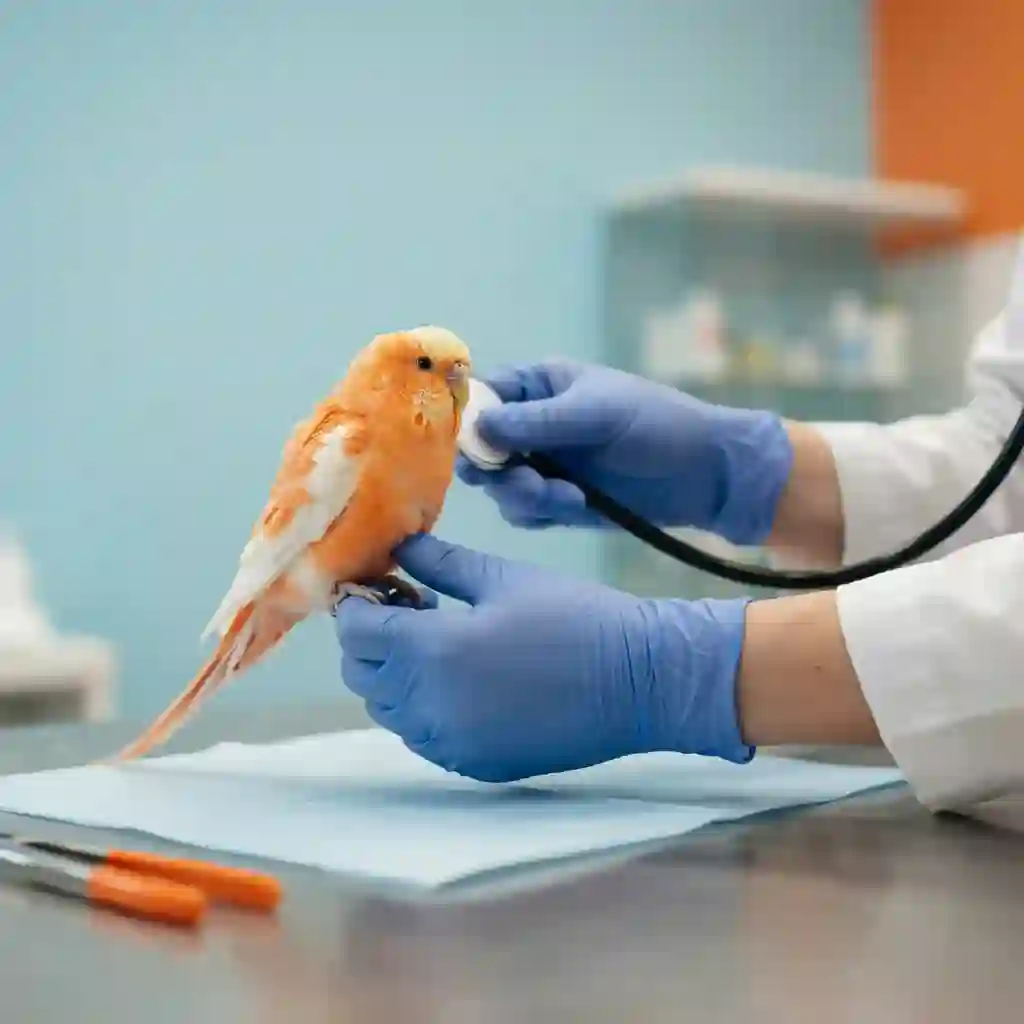

A few weeks ago, a worried cat owner walked into Happy Tails Veterinary Clinic carrying her adult cat and asked, “Doctor, she always seems hungry. Am I feeding her enough?” After talking through her daily routine and examining the cat, I realized the issue wasn’t a lack of food; it was an unbalanced feeding schedule and oversized portions. With a few simple dietary changes, her cat became more energetic, maintained a healthy weight, and stopped constantly begging for food.
As a veterinary nurse at Happy Tails Veterinary Clinic, a trusted vet clinic in Nad Al Sheba serving pet owners since 2024, I’ve seen many similar cases where small changes in nutrition make a big difference. That’s why this guide will help you understand how much, how often, and what to feed your cat for a healthier, happier life.
Understanding Your Cat’s Daily Nutrition Needs
Cats are obligate carnivores, meaning they rely heavily on animal protein for survival. Unlike omnivores, their bodies are not designed for irregular diets or low-protein food.
A balanced cat diet should include:
- High-quality animal protein
- Essential fats for energy
- Vitamins and minerals for immunity
- Proper hydration support
Poor nutrition can often lead to issues that require professional veterinary consultation, especially when symptoms like weight loss, dull coat, or lethargy appear.
Cat Feeding Schedule by Age and Lifestyle
Feeding frequency depends heavily on age, metabolism, and activity level. A one-size-fits-all approach does not work for cats.
Kitten Feeding Routine (2–12 months)
Kittens grow rapidly and require frequent energy intake.
- 3 to 5 meals per day
- High-protein kitten-specific diet
- Constant access to fresh water
Proper vaccination and growth monitoring are also essential during this stage. You can learn more about preventive care through professional pet vaccination services in Dubai and kitten health services to ensure healthy development.
Adult Cat Feeding Routine (1–7 years)
Adult cats need controlled calories to avoid obesity.
- 2 meals per day (morning and evening)
- Measured portion feeding instead of free feeding
- Balanced wet and dry food combination
If your cat shows signs of weight gain or reduced activity, it may require a pet weight management check-up to adjust its diet plan properly.
Senior Cat Feeding Routine (7+ years)
Older cats require easier digestion and higher moisture intake.
- 2–3 small meals per day
- Soft, easy-to-digest food
- Higher protein with controlled fat levels
Senior cats often develop hidden health issues affecting appetite. In such cases, a mobile vet consultation or home vet visit can be helpful for stress-free examination.
How Much Should You Feed Your Cat Per Day?
Feeding quantity should always be based on calories, not guesswork.
Daily Calorie Guide:
- Small cats (2–3 kg): 150–200 kcal
- Medium cats (3–5 kg): 200–300 kcal
- Large cats (5–7+ kg): 300–400 kcal
However, calorie needs can change due to health conditions, metabolism, or medical issues. If your cat is underweight, overweight, or showing unusual appetite changes, a complete veterinary diagnostic assessment is recommended to rule out underlying problems.
Wet Food vs Dry Food: What Is Better for Cats?
Both wet and dry food have benefits, and the best choice often depends on your cat’s condition.
Wet Food Benefits:
- Improves hydration
- Supports urinary health
- Easier for kittens and seniors
Dry Food Benefits:
- Convenient and easy to store
- Helps with portion control
- Supports dental health to some extent
A mixed feeding routine is often recommended for balanced nutrition unless your vet advises otherwise. For dental-related feeding issues, professional pet dental care services may be required.
Common Cat Feeding Mistakes That Affect Health
Many cat health issues come from daily feeding mistakes that owners don’t notice.
Avoid:
- Overfeeding treats
- Free-feeding without control
- Sudden diet changes
- Feeding human food
- Ignoring gradual weight gain
These mistakes often lead to obesity, which may require pet health check-ups and long-term dietary correction plans.
When Feeding Problems Indicate a Health Issue
If your cat shows any of the following signs, diet alone may not be the problem:
- Sudden loss of appetite
- Vomiting after meals
- Rapid weight change
- Constant hunger or refusal to eat
These symptoms may indicate digestive, dental, or metabolic conditions. In such cases, emergency pet care services or immediate veterinary diagnosis is strongly recommended.
Early detection ensures faster recovery and prevents long-term complications.
Building a Healthy Long-Term Feeding Routine
A healthy feeding routine is not just about food quantity it is about consistency, monitoring, and adjustment over time.
Best practices include:
- Fixed feeding times daily
- Measured portions in grams or calories
- Regular weight tracking
- Age-based diet adjustments
- Veterinary monitoring when needed
For complete preventive care, regular check-ups and expert guidance from veterinary professionals, including mobile vet in Dubai services, play a vital role in maintaining your cat’s overall health and well-being throughout its life.
Conclusion
Proper cat feeding is a combination of science, observation, and consistency. When done correctly, it prevents disease, improves energy levels, and ensures a longer, healthier life for your pet.