




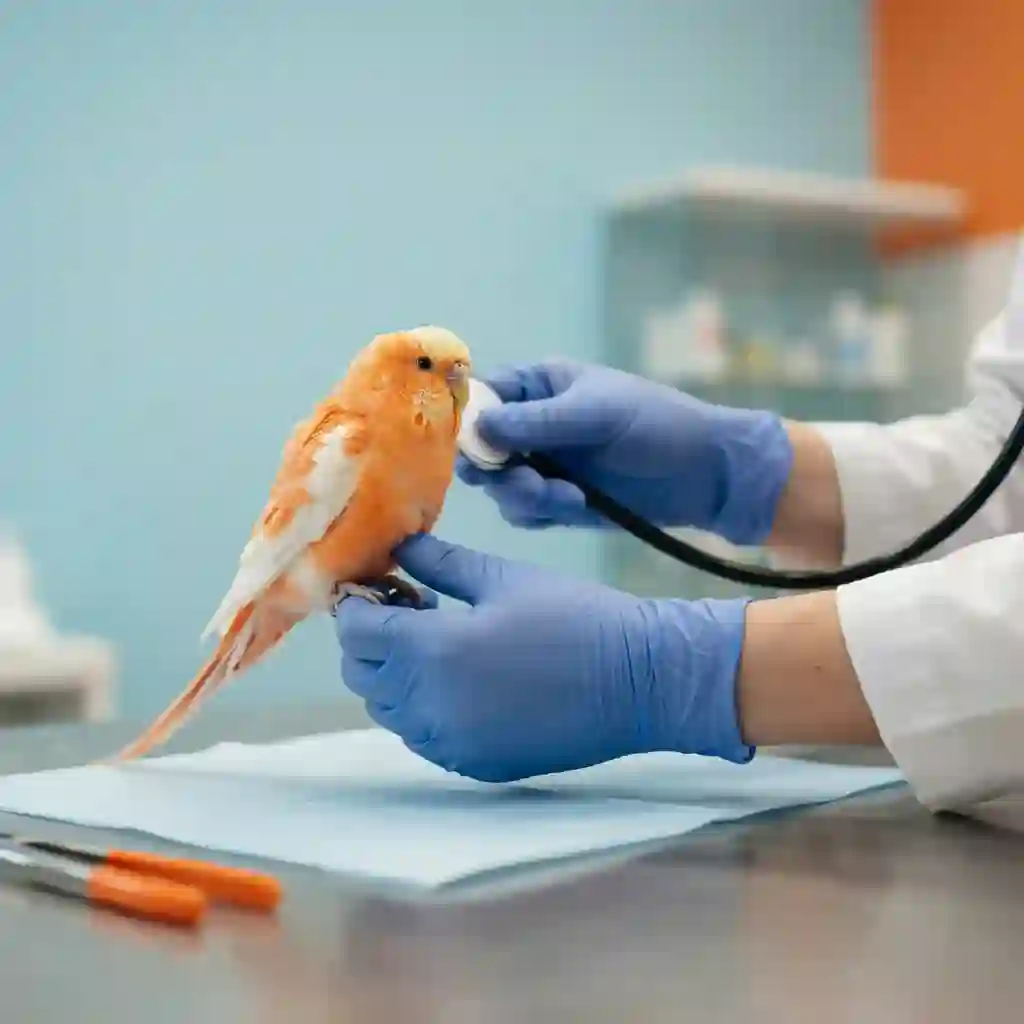

As a vet nurse, I’ll always remember a golden retriever named who came in one afternoon; his owner was convinced he’d simply “gotten lazy” over the summer. But I noticed how he sank slowly to the floor and hesitated before getting up, almost bunny-hopping with his back legs. Those little details are often the first whispers of hip dysplasia, long before the limping becomes obvious. Because his family trusted their gut and brought him in early, we were able to start a plan that kept him wagging and walking comfortably for years.
Stories like his are exactly why I wanted to write this. At Happy Tails, which has cared for Dubai’s dogs since 2024, I’ve sat with many worried owners asking the same question you might be right now. So if your dog has started limping, slowing down, or struggling to climb stairs, you’re in the right place. This guide walks you through the symptoms, causes, and treatment options for hip dysplasia in dogs, so you can act early and keep your pet active and comfortable.
What Is Hip Dysplasia in Dogs?
Hip dysplasia is a common joint condition where a dog’s hip doesn’t develop properly. The hip is a ball-and-socket joint, and when the ball and socket don’t fit together smoothly, the joint becomes loose and unstable. Over time, this leads to wear, pain, and arthritis.
In simple terms, the hip “rubs” instead of moving cleanly. It often starts when a dog is young but may not show clear signs until later in life. The good news is that early care can slow it down and keep your dog moving well.
This condition is mostly hereditary, but lifestyle and growth also play a big role. That’s why regular check-ups matter so much. A trusted vet clinic in dubai can spot early warning signs during routine visits, long before your dog shows obvious pain.
If your vet suspects a joint problem, they may refer you to a specialist pet orthopaedic in Dubai for X-rays and a clear treatment plan. Catching hip dysplasia early gives your dog the best chance at a comfortable, active life.
What Causes Hip Dysplasia in Dogs?
Hip dysplasia is mainly caused by genetics, but several other factors make it worse. The most common causes include:
- Genetics is the leading cause, especially in large breeds.
- Rapid growth in large-breed puppies that grow too fast.
- Excess weight extra pounds put more stress on the joints.
- Poor nutrition, too many calories or unbalanced diets during growth.
- Over-exercise as a puppy, such as hard running or jumping on growing joints.
In short, a dog may be born with the risk, but diet, weight, and activity decide how serious it becomes.
What Are the Symptoms of Hip Dysplasia?
Watch for these common signs that may point to hip dysplasia:
- Limping or favoring one back leg
- Bunny hopping using both back legs together when running
- Stiffness after rest, especially in the morning
- Difficulty rising, climbing stairs, or jumping
- A swaying or wobbly walk
- Reduced activity and less interest in play
- Loss of muscle in the back legs over time
If you notice one or more of these signs, book a vet check soon. Early treatment is far easier and more effective than waiting.
Which Dog Breeds Are Most at Risk?
Large and giant breeds face the highest risk, though any dog can be affected. Here’s a quick overview:
| Risk Level | Common Breeds |
|---|---|
| High risk | German Shepherd, Labrador, Golden Retriever, Rottweiler |
| High risk | Great Dane, Saint Bernard, Mastiff |
| Lower risk | Smaller and mixed breeds (still possible) |
Knowing your dog’s breed risk helps you screen early and act before serious damage develops.
How Is Hip Dysplasia Diagnosed?
A vet diagnoses hip dysplasia through a physical exam and X-rays. During the exam, the vet checks how your dog moves, feels for looseness in the joint, and notes any pain or stiffness.
X-rays, often taken under light sedation, confirm the diagnosis. They show how well the ball fits the socket and whether arthritis has started. This clear picture helps your vet choose the right treatment plan for your dog.
What Are the Treatment Options for Hip Dysplasia in Dubai?
Treatment depends on your dog’s age, weight, and how severe the condition is. Options range from simple lifestyle changes to surgery. Most dogs start with non-surgical care.
Non-Surgical Treatments
These conservative options work well for mild to moderate cases:
- Weight management: Keeping your dog lean reduces joint stress.
- Controlled exercise: Gentle walks and swimming build muscle safely.
- Joint supplements: Glucosamine and omega-3 support joint health.
- Pain and anti-inflammatory medication: Eases discomfort (vet-prescribed).
- Physical therapy: Improves strength, movement, and comfort.
Surgical Treatments
For severe cases, or when pain limits daily life, surgery may be the best choice:
- Femoral Head Ostectomy (FHO) removes the damaged ball to ease pain.
- Double/Triple Pelvic Osteotomy (DPO/TPO) reshapes the hip in young dogs.
- Total Hip Replacement (THR) replaces the joint for long-term relief.
Your vet will recommend the safest, most effective option based on your dog’s needs.
Can Hip Dysplasia Be Prevented?
You can’t fully prevent a genetic condition, but you can lower the risk and slow its progress. Smart prevention starts in puppyhood and continues for life.
Helpful steps include:
- Choose responsible breeders who screen parent dogs for hip health.
- Feed a balanced, large-breed puppy diet to control growth.
- Avoid over-exercising puppies on hard surfaces.
- Keep your dog at a healthy weight throughout life.
- Schedule regular vet check-ups for early detection.
These simple habits go a long way in protecting your dog’s joints.
Expert Tips: Caring for a Dog With Hip Dysplasia in Dubai
Dubai’s climate and home setups can affect dogs with joint problems. A few smart adjustments—along with support from a mobile vet in Dubai can make daily life easier, especially when travel isn’t possible:
- Walk during cooler hours to avoid heat stress on tired joints
- Add rugs or mats on slippery tile floors to prevent slipping
- Use orthopedic bedding for better joint support and rest
- Try swimming or hydrotherapy, which is gentle and very effective
- Stay consistent with vet visits, or book a mobile vet in Dubai for home checkups especially helpful in emergencies or when your dog can’t travel
With the right care and access to a mobile vet in Dubai, even in urgent situations, many dogs with hip dysplasia can live happy, active, and comfortable lives.
Frequently Asked Questions
Can a dog live a normal life with hip dysplasia?
Yes. With weight control, proper exercise, and the right treatment, many dogs stay active and comfortable for years.
At what age does hip dysplasia appear?
Signs can appear as early as a few months old, but many dogs show symptoms later as arthritis develops with age.
Is hip dysplasia painful for dogs?
Yes, it can cause pain and stiffness. Pain management, supplements, and treatment help keep your dog comfortable.
Does surgery cure hip dysplasia?
Surgery, especially total hip replacement, can greatly reduce pain and restore movement. The right option depends on your dog’s case.
Can exercise help a dog with hip dysplasia?
Gentle, controlled exercise like walking and swimming builds muscle and supports the joint. Avoid hard running and jumping.
Conclusion
Hip dysplasia is a common but manageable condition in dogs, especially large breeds. By spotting the symptoms early, managing your dog’s weight, and following the right treatment plan, you can protect your pet’s mobility and quality of life.
If your dog is limping, stiff, or slowing down, don’t wait. Book a professional orthopedic check-up today and give your dog the comfortable, active life they deserve.
