




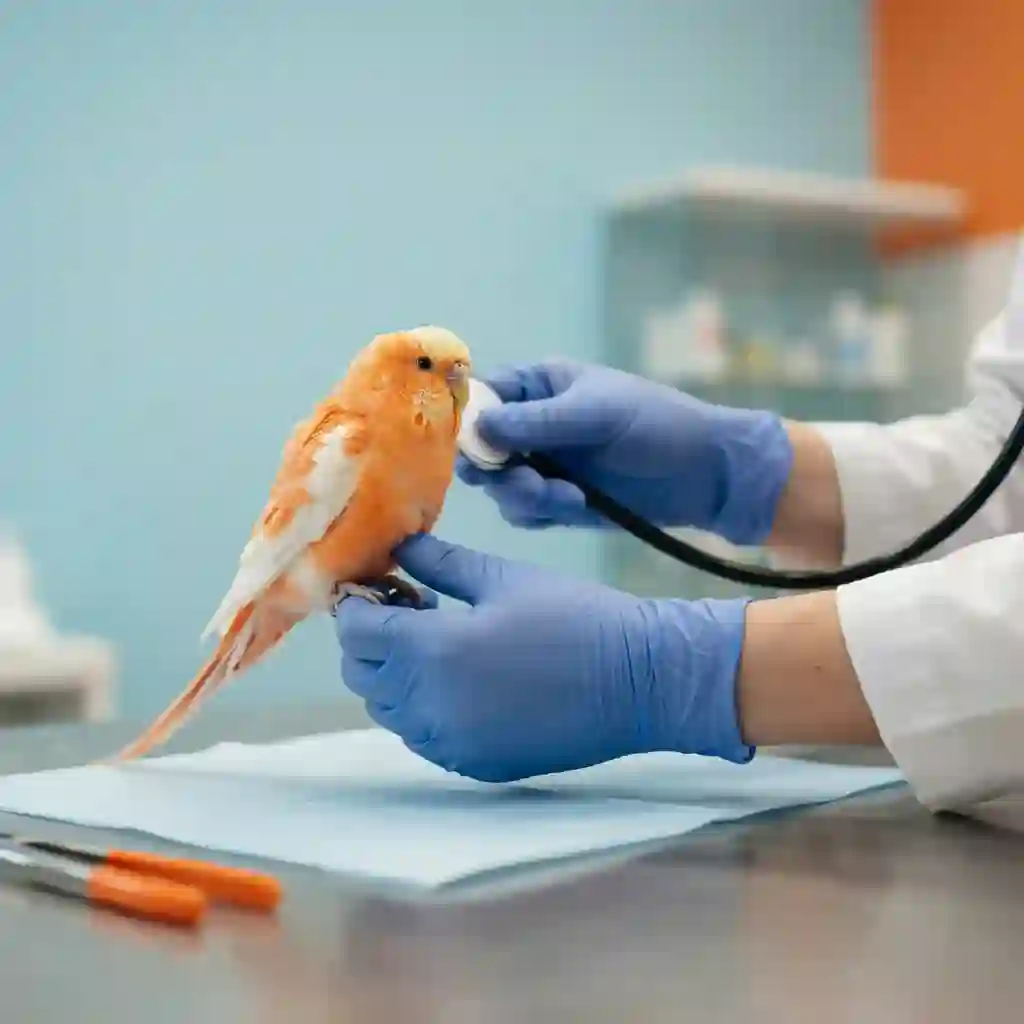

As a vet nurse, some of the most anxious calls I take start the same way: “My dog’s just lying around, won’t eat, and feels warm is something wrong?” Here in the UAE, one of the first things I’ve learned to rule out is tick fever. I still remember an owner who brought in a normally bouncy dog that had gone quiet and off its food for two days; a quick blood test confirmed tick fever, and because we caught it early, that dog made a full recovery. That’s exactly why I wanted to write this guide.
Since Happy Tails opened its doors in 2024, we’ve seen how common tick fever is in this climate and how much difference early action makes. So if your dog is acting tired, skipping meals, or feeling warm to the touch, you’ve landed in the right place. This guide breaks down what tick fever in dogs is, the early signs to watch for, and what you can safely do at home while your vet leads the treatment. The goal is simple: help you act fast and keep your dog safe.
What Is Tick Fever in Dogs?
Tick fever in dogs is a blood infection passed on through the bite of an infected tick. When a tick carrying certain bacteria or parasites bites your dog, it spreads the infection into the bloodstream, where it attacks healthy blood cells.
In the UAE, the two most common forms are ehrlichiosis (caused by Ehrlichia canis bacteria) and babesiosis (caused by Babesia parasites). Both spread mainly through the brown dog tick, which thrives in the country’s warm climate all year round. Because there is no real “off-season” for ticks here, every dog that walks outdoors, visits parks, or meets other dogs faces some level of risk.
If you suspect tick fever, a quick blood test at a trusted vet clinic in Dubai is the fastest way to confirm it and start treatment early.
Why Is Tick Fever So Common in the UAE?
The warm, dry weather lets ticks survive and breed throughout the year. Brown dog ticks hide in shaded shrubs, sandy patches, kennels, and even indoors. Dogs that go on desert walks, hikes, or play near grazing land face the highest exposure.
Tick fever also spreads easily within the local dog community because the UAE has a large pet and stray population. One untreated dog can keep the tick cycle going for many others.
What Are the Signs of Tick Fever in Dogs?
The most common signs of tick fever in dogs are fever, low energy, and loss of appetite. Symptoms often appear one to three weeks after a tick bite, and they usually start mild, which is why many owners miss them at first.
Watch for these warning signs:
- High temperature or fever
- Tiredness, weakness, or low energy
- Loss of appetite and weight loss
- Pale gums
- Swollen lymph nodes (small lumps under the jaw or behind the knees)
- Nosebleeds or unusual bruising
- Dark-coloured urine
- Limping or stiff, painful joints
Tick fever typically progresses through three stages: acute (early illness), subclinical (characterised by no clear signs, but the infection remains active), and chronic (long-term and more difficult to treat). Catching it early gives your dog the best chance of a full recovery, so booking a check-up at a reliable Vet Clinic in Dubai at the first sign of trouble is always the safer choice.
How Is Tick Fever Diagnosed?
Vets confirm tick fever through a dog blood test in Dubai. A blood smear can reveal the parasite, while antibody and PCR (DNA) tests detect the infection more accurately. A common clue is a low platelet count, which often points to tick fever even before other results come back.
Because early-stage infections can hide on tests, your vet may repeat bloodwork or test for more than one tick-borne disease at the same time.
Tick Fever in Dogs: Treatment at Home and at the Vet
Tick fever in dogs cannot be cured at home alone; it needs prescription medication from a vet but home care plays a big part in recovery. Think of home treatment as supportive care that works alongside professional tick fever treatment for dogs, not in place of it.
What the vet provides:
- Antibiotics such as doxycycline, usually for about 28 to 30 days, for ehrlichiosis and anaplasmosis
- Antiprotozoal medicine (like imidocarb dipropionate) for babesiosis
- Supportive treatment such as fluids, anti-inflammatories, or hospital care in severe cases
What you can safely do at home to support recovery:
- Give every dose of medication exactly as prescribed, and finish the full course
- Keep fresh water available at all times to prevent dehydration
- Serve light, easy-to-digest meals to tempt a poor appetite
- Provide a calm, cool, comfortable place to rest
- Remove any ticks you find gently with a tick tool, pulling straight out
- Watch closely for pale gums, bleeding, or worsening weakness and report these quickly to a mobile vet in Dubai
If your dog’s symptoms get worse or you’re unsure about home care, contact a mobile vet in Dubai or your vet clinic right away. Stopping medication early is one of the biggest reasons tick fever returns.
Step-by-Step: What to Do If You Suspect Tick Fever
- Check your dog’s body for ticks, especially the ears, neck, chest, legs, and between the toes.
- Remove any ticks carefully with a tick remover, then clean the area.
- Note the symptoms you’ve seen and when they started.
- Book a vet visit for a blood test as soon as possible, or seek emergency vet care in Dubai if symptoms are severe.
- Follow the full treatment plan, including all medicine and follow-up checks.
- Keep up tick prevention to stop reinfection.
Expert Insight: Prevention Is Easier Than Treatment
Vets across the UAE agree that prevention is far cheaper and safer than treatment. Because there is no vaccine for most tick-borne diseases, consistent tick and flea prevention in Dubai is your strongest defence all year round.
Helpful habits include:
- Using vet-approved spot-on or oral tick preventives every month
- Checking your dog’s coat after every walk
- Washing bedding often and keeping resting areas clean
- Avoiding dense shrubs and tall grass during walks
A regular wellness check can also catch early infections before they turn serious, especially for active or outdoor dogs.
Frequently Asked Questions
Can tick fever in dogs be cured?
Yes. When caught early and treated with the right medication, most dogs recover well. Chronic, untreated cases are harder to manage, so early action matters.
Can I treat tick fever in dogs at home without a vet?
No. Home care alone cannot clear the infection. Dogs need prescription medicine, and home treatment only supports recovery alongside professional care.
How long does it take a dog to recover from tick fever?
Many dogs start improving within a few days of treatment, but the full course usually lasts about four weeks. Severe cases may take longer.
Is tick fever contagious to other dogs or humans?
Dogs don’t pass tick fever directly to each other or to people. It spreads through tick bites, so controlling ticks protects your whole household.
What happens if tick fever is left untreated?
Untreated tick fever can lead to anaemia, immune damage, organ problems, and life-threatening complications. Early treatment greatly improves the outcome.
