




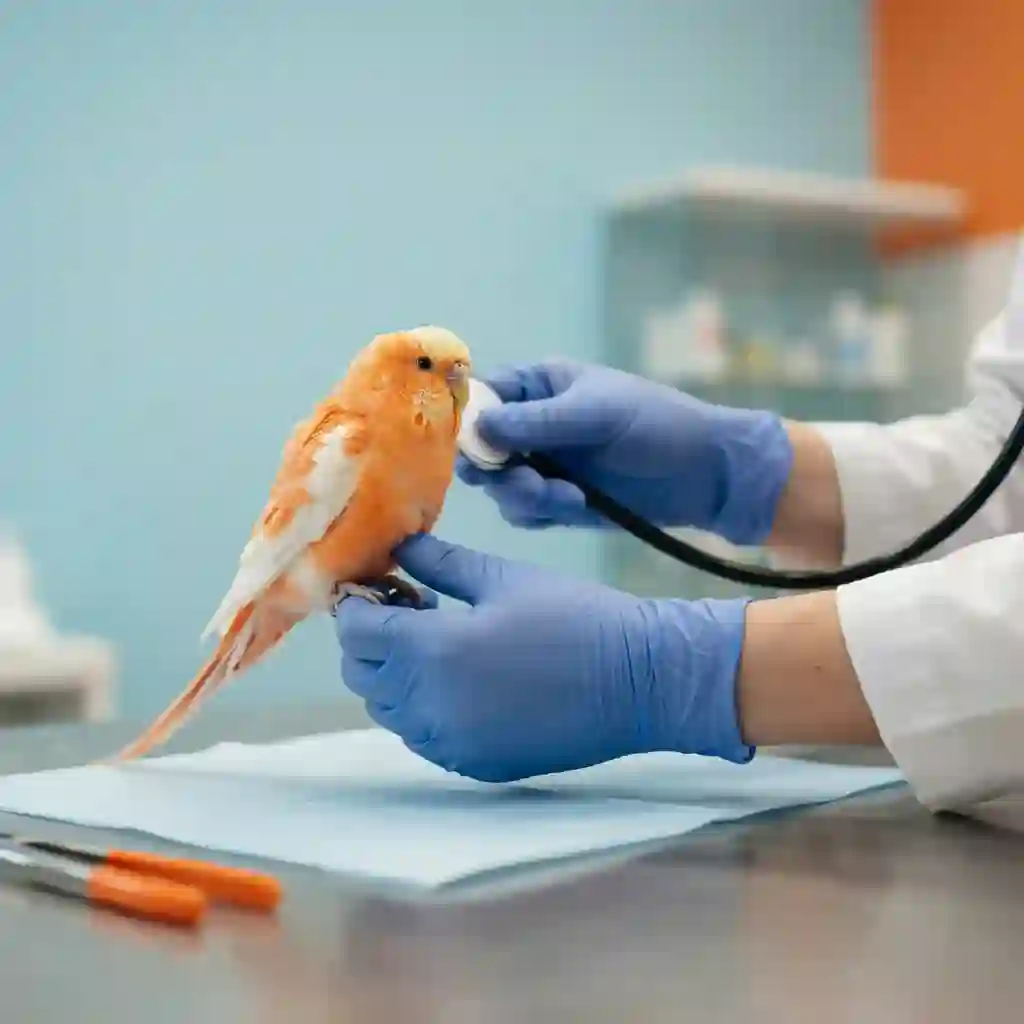

As a long-time cat owner, I’ve seen firsthand how easily our feline friends can fall ill, and one of the most common yet overlooked issues is the Cat Herpes Virus (FHV-1). Over the years, I’ve learned that understanding this virus is crucial not only for preventing severe health problems but also for ensuring your cat remains happy and active.
In this post, I’ll share my personal experience, backed by veterinary insights, to help you recognize symptoms, manage eye infections, and provide the best treatment for cats affected by herpes.
What is Cat Herpes Virus?
The Cat Herpes Virus (Feline Herpesvirus Type 1) is a highly harmful virus that primarily affects the respiratory system and eyes of cats. From my experience living in Dubai, even indoor cats aren’t completely safe from this scary disease, as it can spread through contact with other cats or contaminated surfaces. That’s why a visit to a reliable vet clinic in Dubai can be so important for keeping your cat healthy.
- Direct contact with an infected cat.
- Shared food or water bowls.
- Contaminated bedding or toys.
Most cats contract FHV-1 as kittens, and while some recover completely, the virus often remains dormant in their body, flaring up during periods of stress or illness.
Recognizing Symptoms Early
One of the first signs I noticed in my cats was eye discharge and sneezing, which prompted a vet visit. Key symptoms to watch for include:
- Sneezing and nasal discharge.
- Conjunctivitis (red, swollen, or watery eyes).
- Corneal ulcers in severe cases.
- Fever and lethargy.
- Loss of appetite or difficulty eating.
It’s important to note that symptoms can vary depending on your cat’s age, immunity, and stress levels. Early recognition can prevent complications like chronic eye infections or secondary bacterial infections.
Eye Infections and Complications
Eye infections are the most common and noticeable issue caused by the Cat Herpes Virus. From my experience, untreated eye infections can escalate quickly. Common eye problems include:
- Conjunctivitis: Inflammation of the eye lining, causing redness and discharge
- Corneal Ulcers: Painful sores on the eye surface
- Chronic Tearing or Squinting: Often triggered by stress or seasonal changes
I learned that maintaining eye hygiene and monitoring for changes is critical. Gently cleaning your cat’s eyes with a damp cloth and keeping their environment stress-free helps prevent flare-ups.
Treatment Options That Work
Managing FHV-1 requires a combination of veterinary care, home management, and preventive measures. Based on my experience and veterinary advice, here are effective treatments:
- Antiviral Medications: Topical or oral medications can reduce viral activity
- Antibiotics: Used only if a secondary bacterial infection occurs
- Supportive Care: Hydration, nutritious food, and a stress-free environment
- Eye Ointments: Veterinarian-prescribed ointments soothe irritation and prevent ulcers
Keeping your cat vaccinated against FHV-1 helps reduce future outbreaks, even if it doesn’t fully prevent them. When I was in Nad Al Sheba with my cat Lissy, taking her to a friendly pet grooming in Nad Al Sheba helped me check her health and keep her comfortable.
Preventive Measures and Care Tips
Prevention is always better than a cure. Here’s what I’ve done to protect my cats from Cat Herpes Virus:
- Regular vaccination and vet check-ups.
- Isolating infected cats to prevent spreading.
- Using separate feeding and sleeping areas for sick cats.
- Maintaining clean litter boxes, bowls, and bedding.
- Reducing stress through play, attention, and a stable environment.
Implementing these measures significantly reduces the chances of flare-ups and ensures your cat remains healthy.
Conclusion
The Cat Herpes Virus is a common but manageable condition if recognized early. From my own experience, staying informed, watching for symptoms, and understanding the types and importance of cat vaccinations with your veterinarian are essential for keeping your cat safe and healthy. By combining proper treatment, preventive care, and stress management, you can help your feline friends live a happy, comfortable life free from severe herpes complications.