




Cats may sneeze for many reasons, and not every sneeze signals a serious problem. Sometimes it’s just a mild irritation from dust, pollen, or a new household scent. However, frequent or persistent sneezing can indicate allergies, infections, or other health concerns that require attention. Understanding when sneezing is normal and when it’s time to consult a veterinarian helps you keep your feline friend happy, comfortable, and healthy. By paying attention to patterns, duration, and accompanying symptoms, you can make informed decisions about your cat’s well-being.
When Sneezing in Cats Is Normal
Occasional Sneezes
Just like us, cats sometimes sneeze to clear irritants. Dust, pollen, or a tiny tickle in the nose can trigger a single sneeze. If it’s rare and not accompanied by other symptoms, it’s usually nothing to worry about.
After Vaccination
Cats receiving intranasal vaccination for cats (such as those protecting against respiratory infections) may sneeze for a couple of days afterward. This is a temporary and normal reaction that resolves on its own.
Environmental Irritants
Household irritants such as cigarette smoke, cleaning sprays, perfumes, or dusty litter can make your cat sneeze. Switching to unscented litter and avoiding strong air fresheners can reduce these triggers.
Pet Allergy Symptoms
Cats can experience allergies just like humans. If your cat frequently sneezes and shows signs of itchy skin, watery eyes, or frequent scratching, it may be due to pet allergy symptoms caused by pollen, mold, or even certain foods.
Upper Respiratory Infections (URIs)
URIs are a leading cause of sneezing in cats. These infections are often viral (such as feline herpesvirus or calicivirus), though bacteria and fungi can also play a role. Symptoms usually include:
- Sneezing and nasal discharge
- Runny eyes
- Fever and lethargy
- Loss of appetite
Kittens, senior cats, or those with weakened immunity are especially vulnerable.
Dental Disease
Dental problems can affect more than your cat’s mouth. Infections in the upper teeth may extend into the nasal passages, causing sneezing and nasal discharge.
Foreign Objects or Growths
Sometimes, sneezing is caused by inhaled objects like grass blades or seeds. In other cases, nasal polyps or tumors may obstruct airways, leading to chronic sneezing. These require veterinary diagnosis and treatment.
Chronic Viral Carriers
Cats that have previously contracted viruses like feline herpes may become carriers. Under stress, these viruses can reactivate, causing sneezing episodes throughout life.
When to See a Vet
Not every sneeze requires a vet visit, but certain warning signs should never be ignored. Contact a vet if your cat has:
- Sneezing that persists for several days
- Thick yellow, green, or bloody nasal discharge
- Difficulty breathing or noisy breathing
- Loss of appetite or weight loss
- Fever, lethargy, or dehydration
- Sneezing accompanied by coughing or wheezing
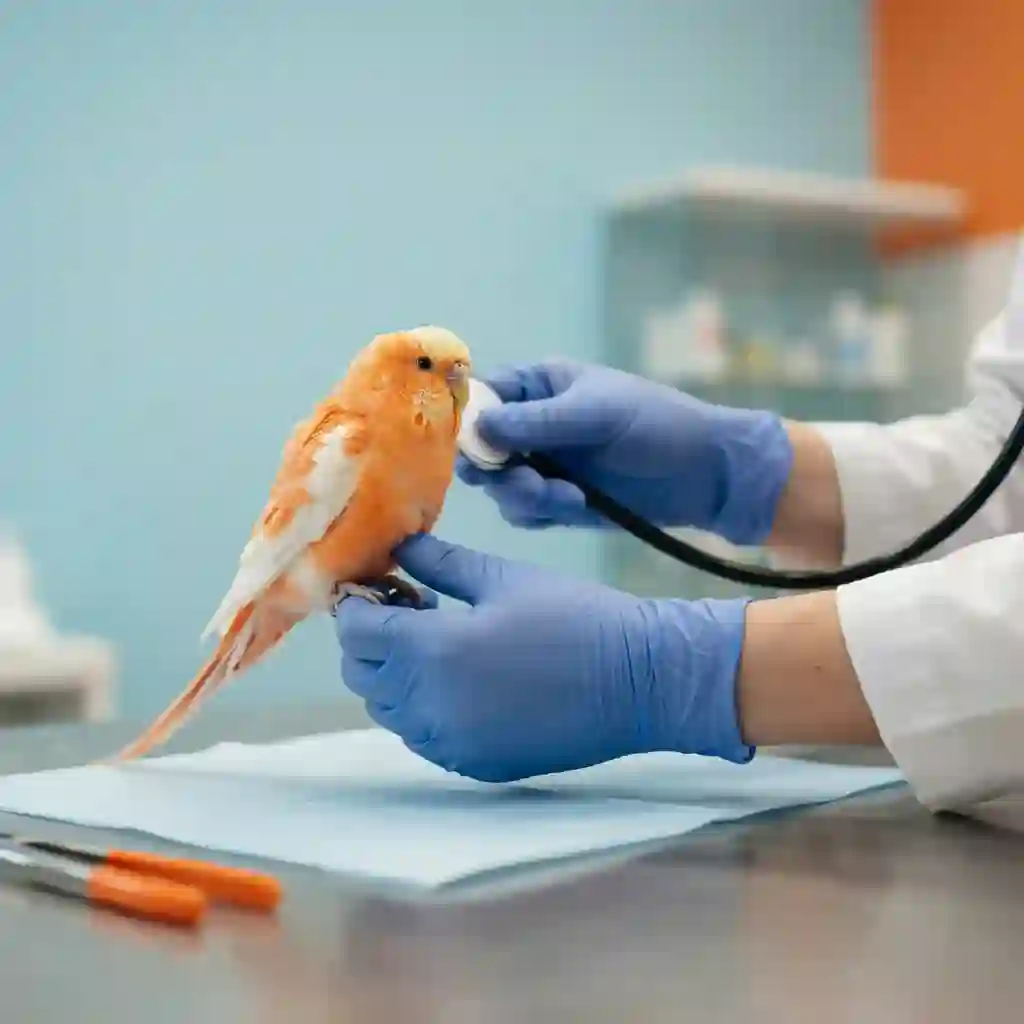
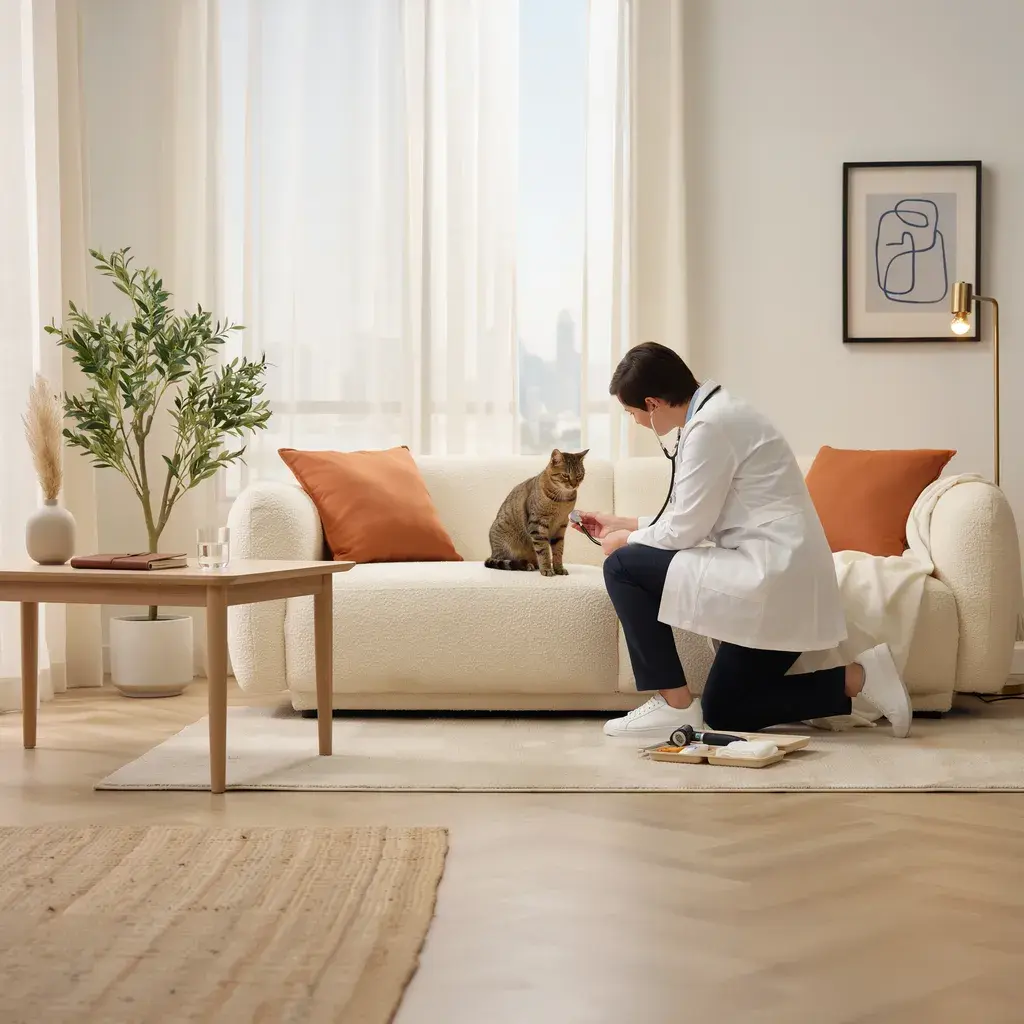
If you notice any of these, booking an appointment with trusted vet clinic in Dubai or your local veterinarian is the best step to ensure your cat’s health.
What to Expect at the Vet
When you take your cat to the vet, the examination may include:
- Physical Examination – checking the nose, throat, and mouth
- Diagnostic Tests – swabs, X-rays, or blood work
- Treatment Plan – depending on the cause, this might involve antibiotics, antivirals, antifungals, or antihistamines
For chronic conditions, your vet may recommend lifestyle changes such as air purifiers, dental care, or stress reduction.
Home Management and Prevention
Keep the Environment Clean
- Use unscented litter
- Vacuum regularly to minimize dust
- Avoid chemical sprays and strong fragrances
Maintain Good Oral Hygiene
Dental problems can lead to sneezing, so regular checkups and proper dental care are essential. Brushing your cat’s teeth or using vet-approved dental chews can help.
Ensure Vaccination
Staying up to date with vaccination for cats is one of the best ways to prevent viral infections that cause sneezing. Vaccines help protect against herpesvirus, calicivirus, and other respiratory pathogens.
Reduce Stress
Stress weakens the immune system and can trigger flare-ups in cats with viral infections. Provide a stable environment, safe hiding spots, and plenty of affection.
Monitor Allergy Triggers
If your cat has allergies, identify and reduce exposure to triggers like pollen, mold, or certain foods. This helps minimize sneezing episodes linked to pet allergy symptoms.
Conclusion
Sneezing in cats can be as simple as clearing dust or as serious as a respiratory infection. While occasional sneezes aren’t usually a cause for concern, frequent or persistent sneezing should not be ignored. By understanding the signs, maintaining regular veterinary checkups, and keeping up with vaccinations, you can ensure your cat stays healthy and comfortable.
For pet owners seeking reliable care, consulting vets in Dubai or your trusted local veterinarian is the best way to get peace of mind. Whether the cause is allergies, infection, or dental disease, early intervention keeps your feline friend happy, healthy, and sneeze-free.