




As a lifelong dog owner, I’ve learned that dental health is just as important for dogs as it is for humans. Over the years, I’ve witnessed firsthand how gum disease can quietly affect a dog’s overall health, often going unnoticed until it becomes severe. Understanding the stages of dog gum disease, its causes, and how to treat it is essential for keeping your furry friend happy and healthy.
Understanding Dog Gum Disease
Dog gum disease, medically known as periodontal disease, is a progressive condition that affects the gums, teeth, and supporting structures of the mouth. Left untreated, it can lead to tooth loss, infections, and even systemic health problems affecting the heart, liver, and kidneys.
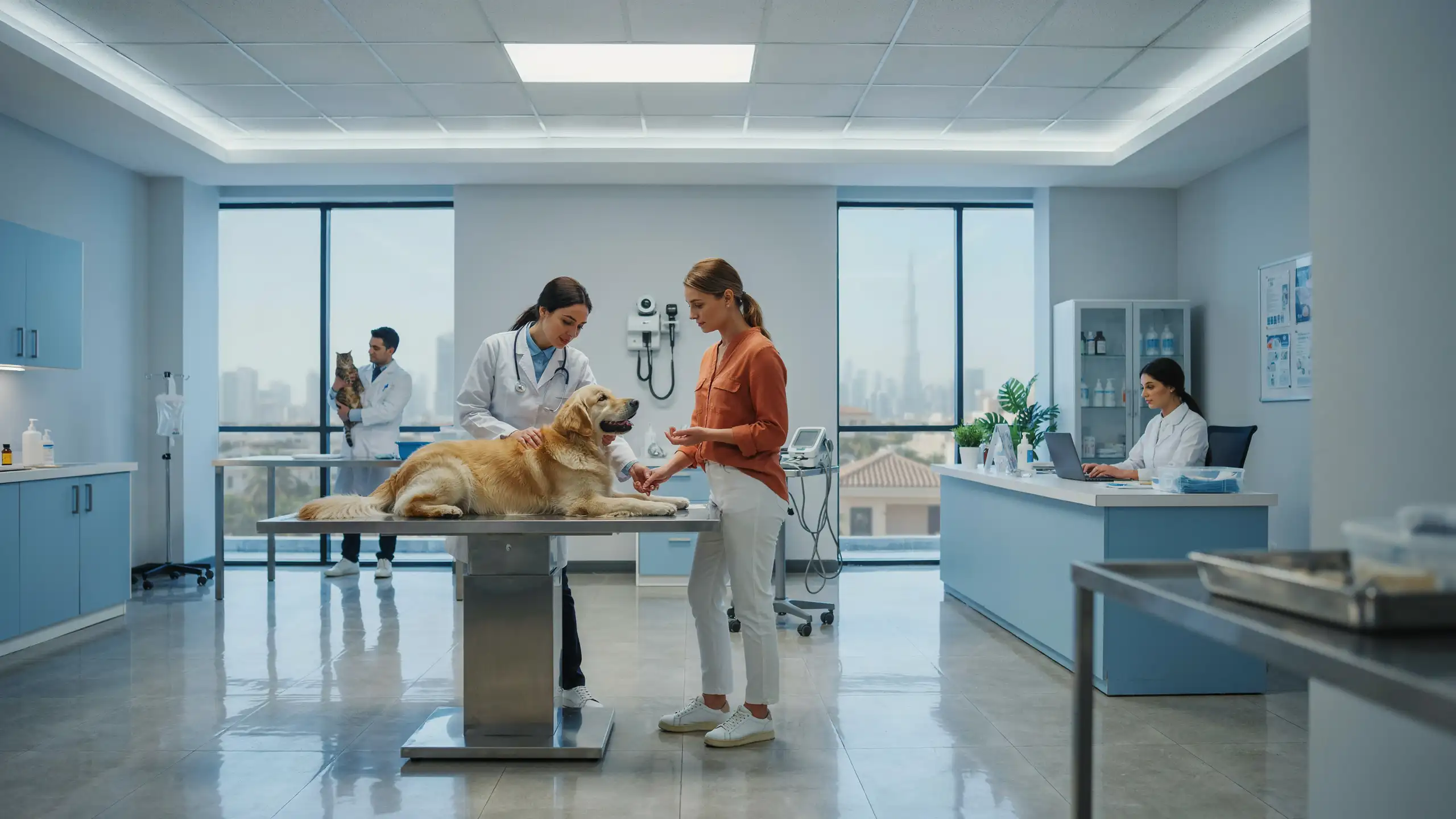
From my own experience caring for my dog while I was living in Dubai, early detection made a huge difference. Regular observation and simple dental checks at a trusted Vet Clinic in Dubai helped prevent serious complications
Stages of Dog Gum Disease
Dog gum disease typically develops in four stages. Recognizing these early signs can save your dog from pain and prevent costly veterinary procedures. If you’re looking for professional care, pet dental services in Dubai can help maintain your dog’s oral health and provide preventive treatments to avoid serious dental issues.
Stage 1: Gingivitis
- Symptoms: Red, inflamed gums that may bleed when touched.
- What I noticed: My Labrador would shy away when I brushed his teeth, and his breath had a slight odor.
- Actionable tip: Regular brushing with a dog-safe toothpaste and professional dental check-ups can reverse gingivitis.
Stage 2: Early Periodontitis
- Symptoms: Plaque buildup, gum recession, and mild discomfort while eating.
- Personal insight: At this stage, I noticed my dog avoiding hard treats, which was unusual for him.
- Treatment: Professional cleaning and consistent at-home dental care are crucial.
Stage 3: Moderate Periodontitis
- Symptoms: Significant tartar buildup, loose teeth, and persistent bad breath.
- My experience: My dog needed a veterinary dental procedure to remove tartar and prevent further infection.
- Preventive measures: Feeding dental-friendly treats and using water additives can help reduce plaque formation.
Stage 4: Advanced Periodontitis
- Symptoms: Severe gum recession, tooth loss, pain, and potential systemic infections.
- Observation: Dogs in this stage often refuse food or chew only on one side.
- Treatment: Immediate veterinary intervention, often including extractions and antibiotics.
Causes of Dog Gum Disease
Through years of caring for dogs, I’ve learned that several factors contribute to gum disease:
- Poor dental hygiene: Skipping regular brushing allows plaque and tartar to accumulate.
- Diet: Soft, wet food increases the risk compared to dry kibble that helps scrape teeth naturally.
- Breed predisposition: Smaller breeds like Yorkies and Chihuahuas are more prone to dental issues.
- Age: Older dogs are naturally at higher risk.
Tip: Combining a balanced diet with routine dental care is the best preventive strategy.
Treatment and Prevention Tips
From experience, early intervention is key. Here’s what I recommend:
- Daily brushing: Use dog-specific toothpaste and a soft-bristled brush.
- Regular vet check-ups: Professional cleanings every 12 months can prevent serious disease.
- Dental chews and toys: These help reduce plaque naturally while keeping your dog engaged.
- Monitor for signs: Watch for bad breath, drooling, or difficulty eating.
I’ve found that while caring for my bella in Nad Al Sheba, incorporating these practices into our daily routine, along with occasional visits to a Pet Grooming in Nad Al Sheba, has significantly improved his oral health and overall comfort
Conclusion
Dog gum disease is common but often overlooked. By understanding the stages of dog gum disease, recognizing early symptoms, and taking proactive steps, you can prevent pain, tooth loss, and more serious health problems for your furry companion. From my own experience, investing time in dental care pays off in a healthier, happier dog, especially when paired with preventive habits like Building a Pet First Aid Kit to stay prepared for any situation.