
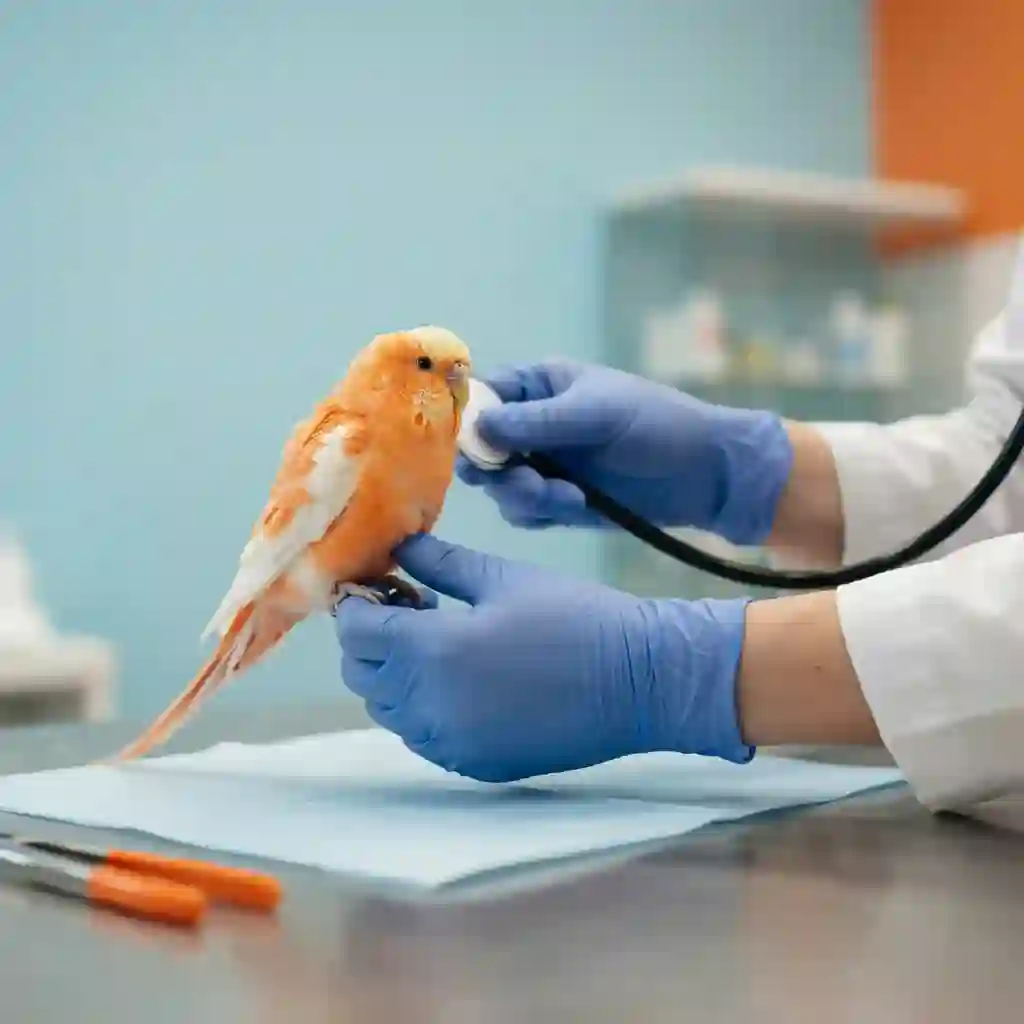

As a veterinary surgeon at Happy Tails, proudly serving pet owners in Dubai since 2024, I regularly treat pets with orthopedic conditions ranging from minor injuries to complex surgical cases. One case I often recall is a young dog brought in with a torn ligament after a simple jump, something that could have been managed early but progressed due to delayed care.
Pet orthopedic surgery is not just about fixing bones; it’s about restoring mobility, relieving pain, and improving your pet’s quality of life. In Dubai, where pets are highly active and often live in urban environments, orthopedic issues are more common than many owners expect.
In this guide, I’ll walk you through everything you need to know about pet orthopedic surgery based on real surgical experience and clinical practice.
Common Orthopedic Issues in Pets
Orthopedic problems can arise from various causes such as trauma, congenital defects, aging, or degenerative diseases. Some of the most common issues that may require orthopedic surgery include:
- Cruciate Ligament Rupture (ACL injuries)
- Hip Dysplasia
- Patellar Luxation (dislocated kneecap)
- Fractures and broken bones
- Arthritis and degenerative joint disease
If your pet is limping, refusing to bear weight on a limb, showing signs of pain when touched, or reluctant to run or jump, it’s time to seek immediate help from a specialized pet orthopedic clinic in Nad Al Sheba or any trusted orthopedic vet in Dubai.
When is orthopedic surgery necessary?
While some minor orthopedic conditions can be managed with rest, medication, or physiotherapy, others require surgical intervention to correct structural problems and restore function.
Your vet may recommend surgery if:
- The condition is worsening despite conservative treatment.
- Your pet is in chronic pain.
- Mobility is significantly reduced.
- There’s a risk of permanent disability.
It’s essential to consult a veterinary surgeon who offers pet orthopedic services for an accurate diagnosis and treatment plan. The earlier the issue is addressed, the better the outcome.
Pre-Surgical Assessment
Before any orthopedic surgery, your vet will perform a thorough evaluation, including
- X-rays or CT scans to assess the extent of the damage.
- Blood tests to ensure your pet is fit for anesthesia.
- Physical examination to rule out other underlying conditions.
In some cases, pets may be referred to specialized facilities like a pet orthopedic clinic in Nad Al Sheba, known for advanced imaging and surgical tools.
What to Expect During Recovery
Recovery is just as important as the surgery itself.
From my experience, most pets recover successfully when owners follow post-operative instructions carefully. This includes:
- Restricted movement during healing
- Regular follow-up visits
- Pain management and medication
- Physiotherapy if required
Proper care can significantly speed up recovery and improve long-term mobility.
Post-Surgical Recovery and Care
Recovery from orthopedic surgery can take several weeks to months, depending on the complexity of the surgery and your pet’s age and health. Key aspects of post-op care include:
- Restricted movement: Confine your pet to prevent jumping or running.
- Medication: Painkillers and anti-inflammatories are essential.
- Physiotherapy: Helps restore mobility and strengthen muscles.
- Follow-up appointments: To monitor healing through X-rays or physical exams.
Adhering strictly to the recovery plan prescribed by your vet is crucial for a successful outcome.
Choosing the Right Clinic
Choosing the right clinic can make all the difference in your pet’s surgical outcome. Look for a facility that offers:
- Board-certified orthopedic surgeons
- Advanced diagnostic tools
- On-site physiotherapy
- Emergency services through a 24-hour vet Dubai setup
A reputable clinic like the pet orthopedic clinic in Nad Al Sheba provides a comprehensive range of pet orthopedic services in Dubai, ensuring your pet receives specialized and compassionate care.
Final Thoughts
Orthopedic surgery can sound overwhelming, but in many cases, it is the most effective way to restore your pet’s comfort and mobility.
From my experience, early diagnosis, proper surgical care, and committed post-operative management lead to excellent outcomes. The goal is always to help your pet return to a pain-free, active life.
If you notice any signs of discomfort or mobility issues, don’t delay; early evaluation can make all the difference.