
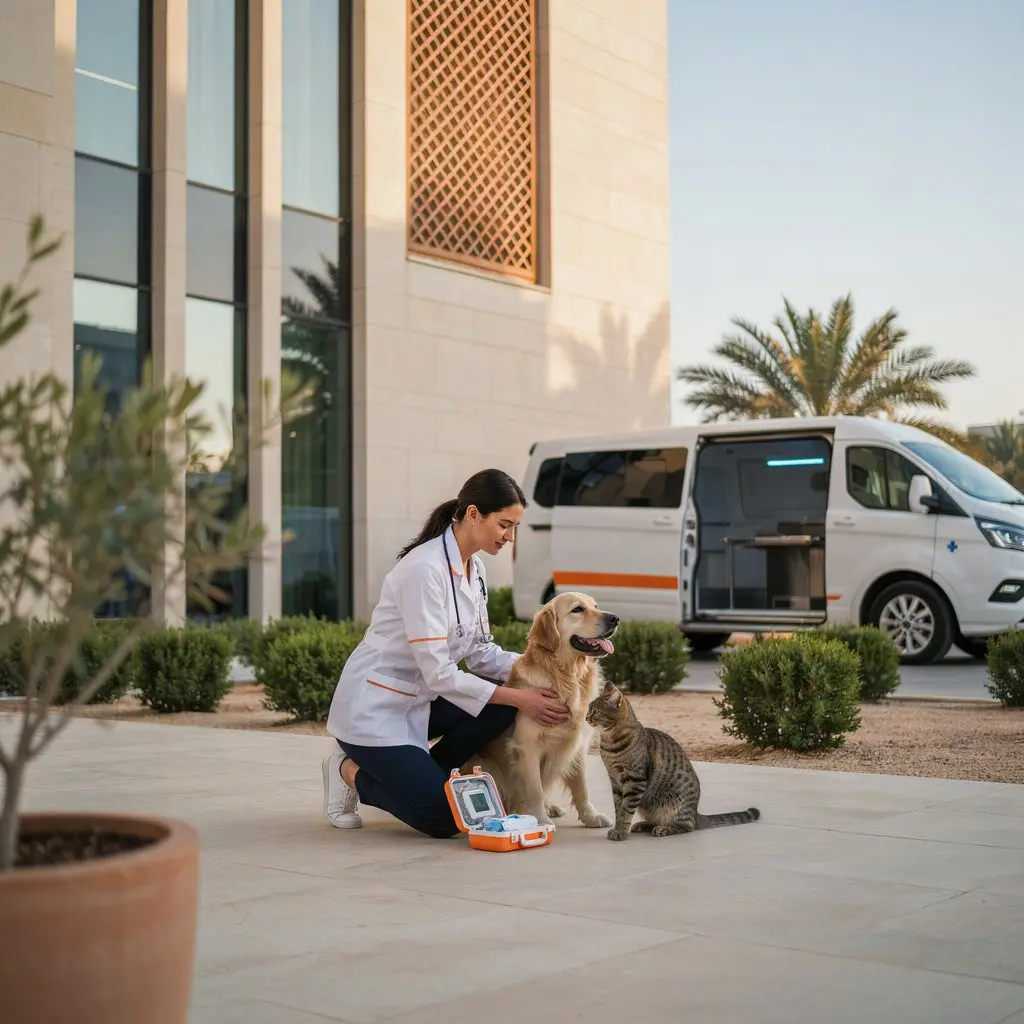

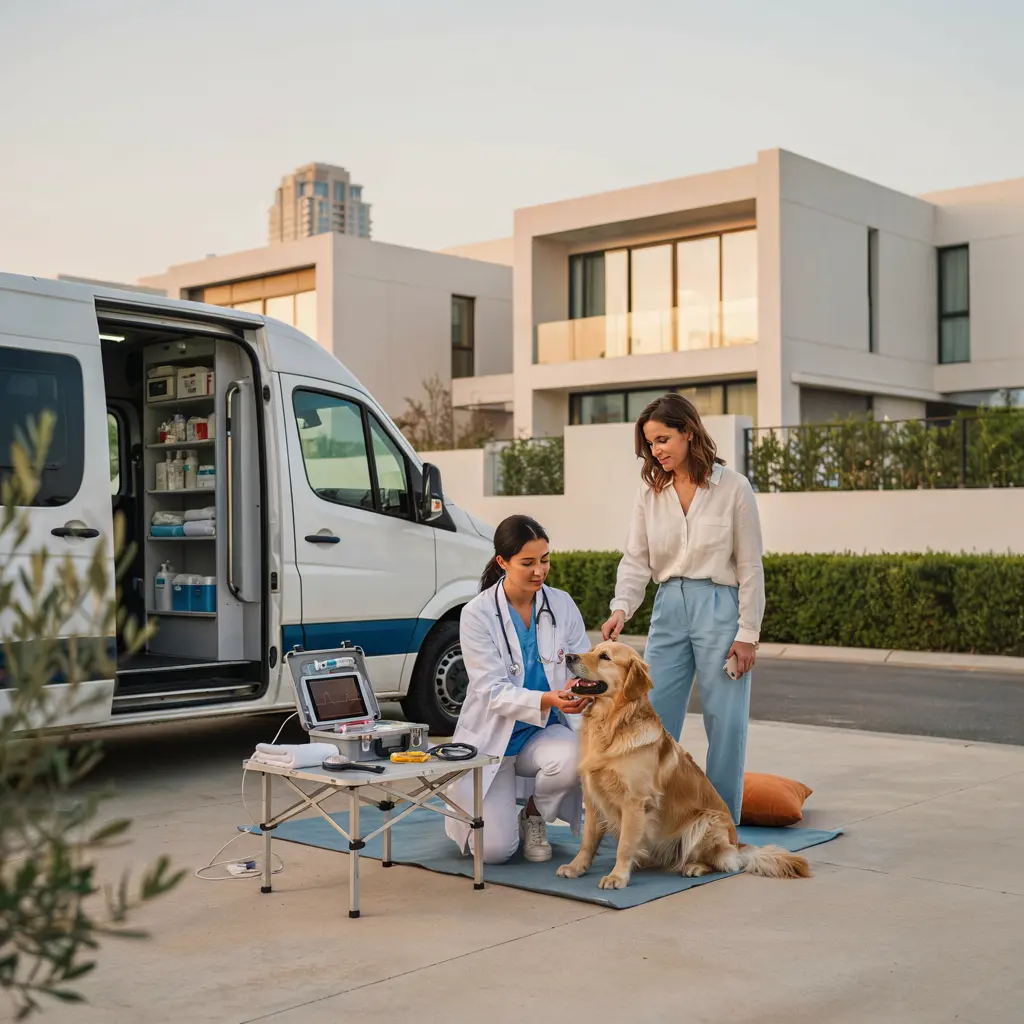
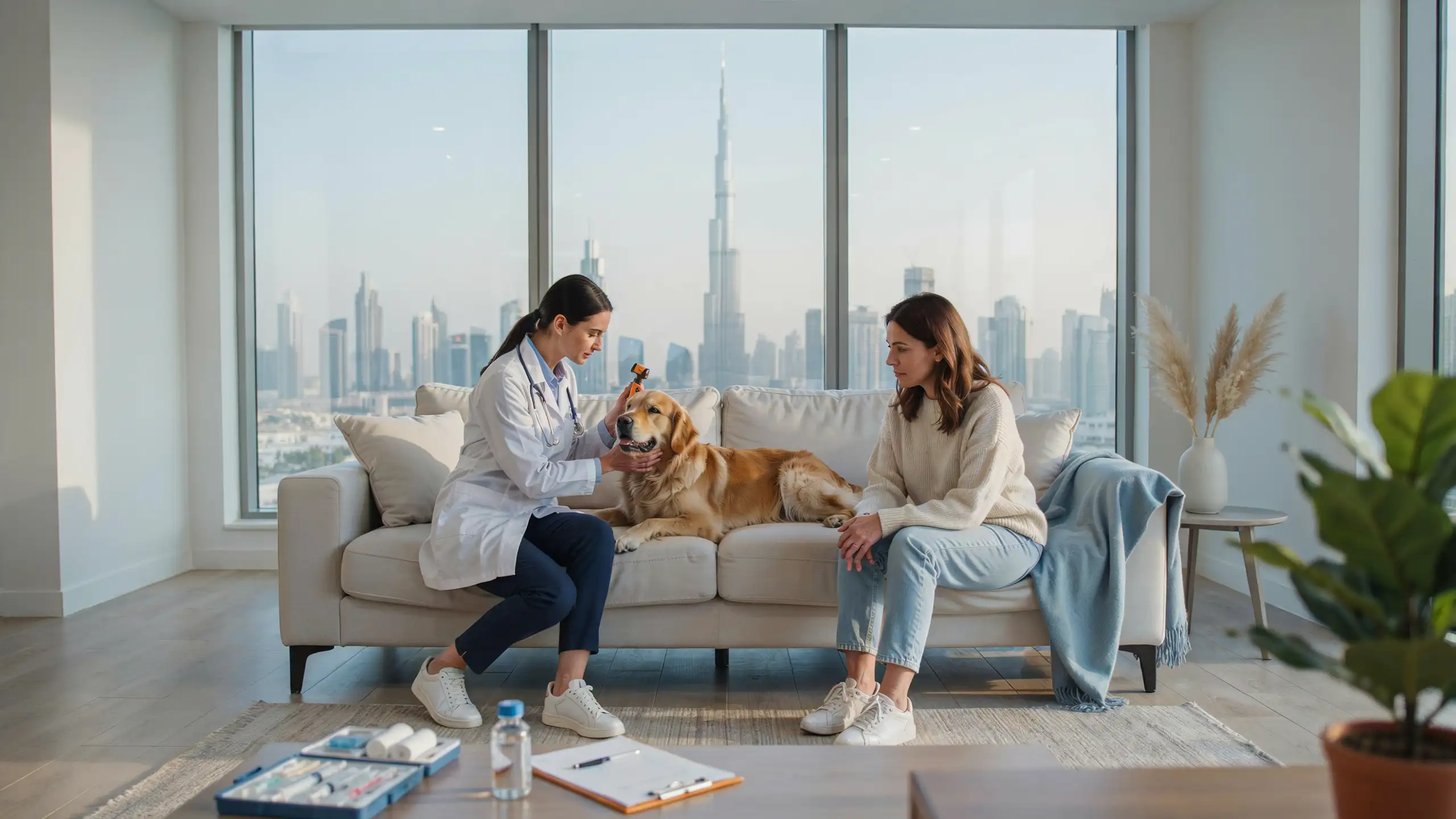
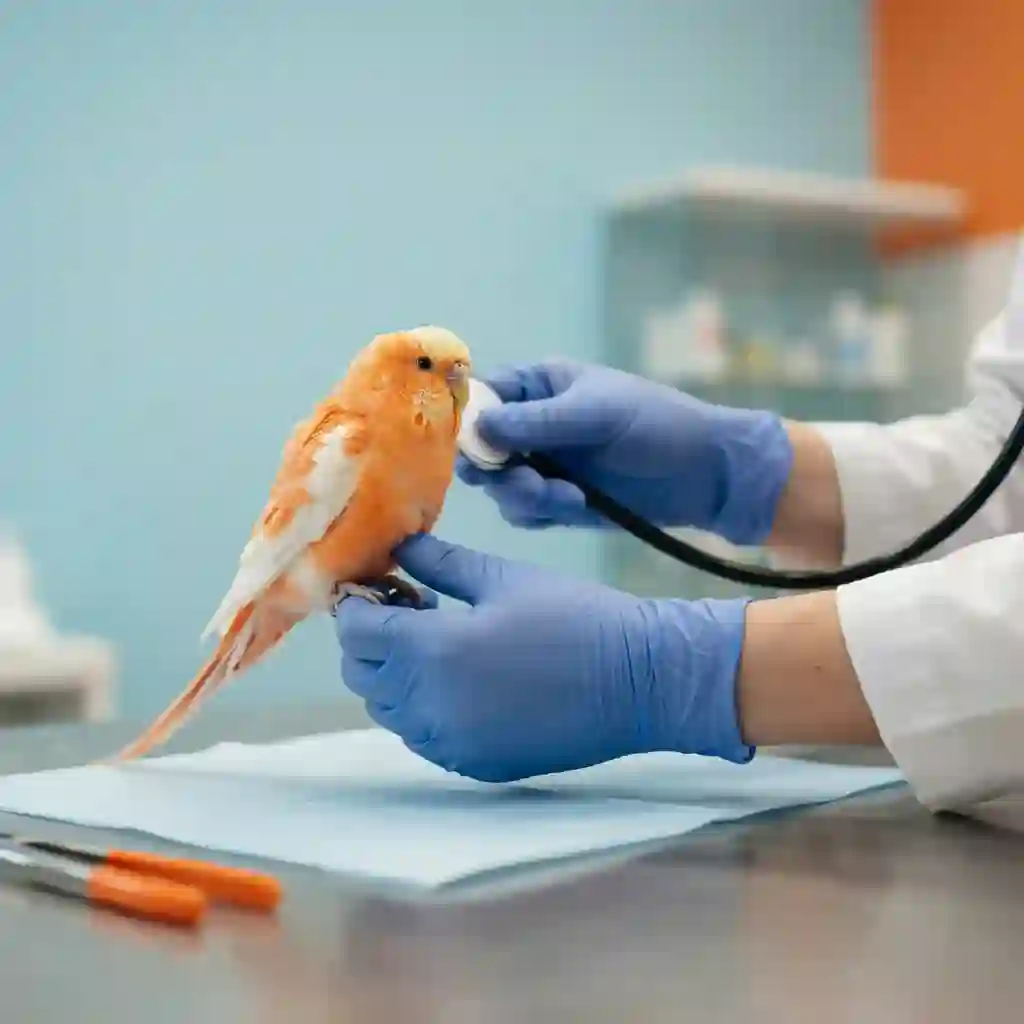
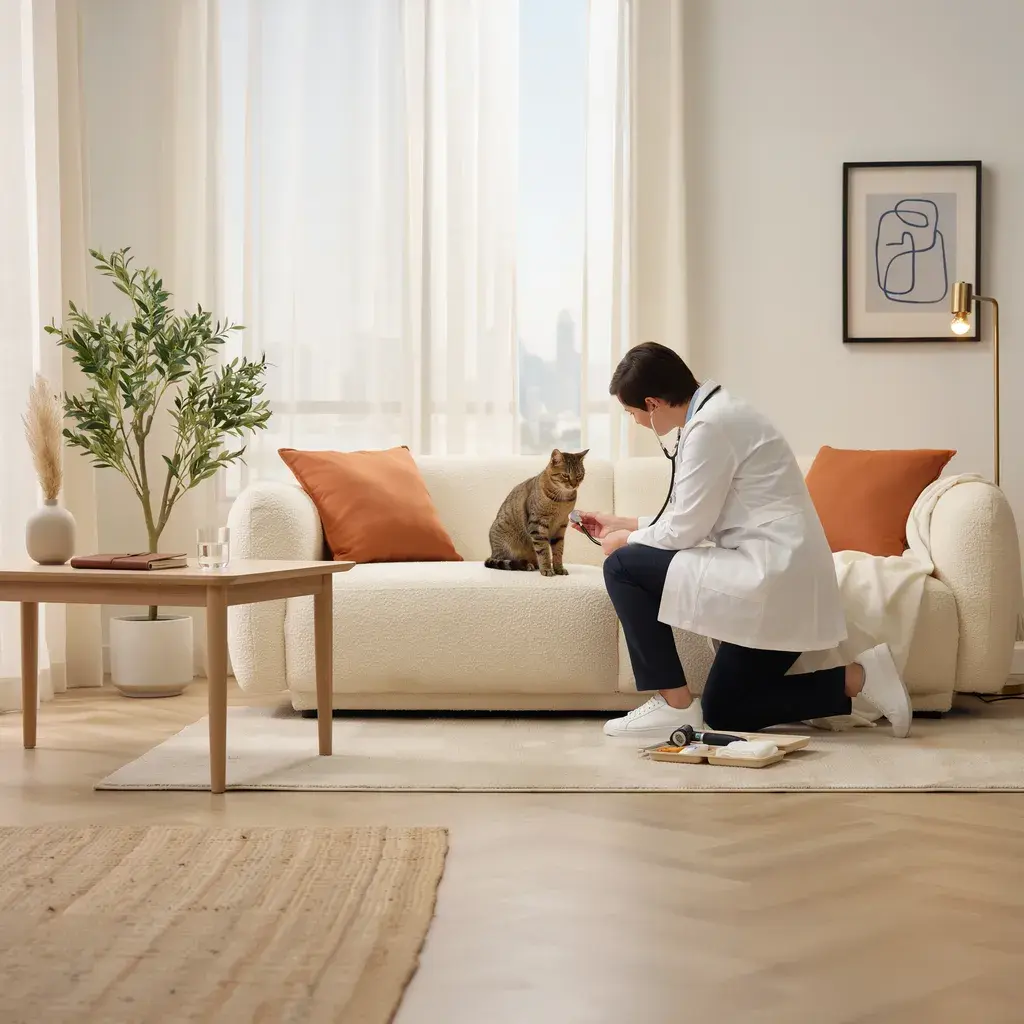
Last summer, a pet owner rushed into Happy Tails Veterinary Clinic with his dog who had been scratching nonstop after daily walks. At first, he thought it was just the heat or dust, but within days, the itching turned into red, irritated skin and constant paw licking. After examining the dog, it became clear this was a seasonal allergy triggered by pollen and environmental factors common in Dubai. With the right treatment and simple changes like cleaning paws after walks and limiting exposure during high pollen times, the dog recovered quickly.
Over the past year at Happy Tails Veterinary Clinic in Nad Al Sheba, I’ve treated many pets whose conditions could have been prevented with early care and awareness.
This guide will help you understand how to protect your pets from summer allergies and keep them comfortable, healthy, and itch-free throughout the season.
How and Why Pollen Affects Pets
Pollen is a microscopic plant powder released by trees, grasses, and weeds. When pets inhale it or carry it on their fur, their immune systems can mistakenly identify it as a threat. While humans typically sneeze or have watery eyes, pets often show signs differently, like excessive paw licking, itchy ears, or skin redness.
Veterinary experts agree that pets react to pollen because their immune systems overreact to these tiny particles, creating allergic symptoms that are often mistaken for other conditions, which may occasionally require a pet allergy emergency in Dubai for prompt care.
Common Signs Your Pet Is Allergic to Pollen
Be alert for these indicators:
- Persistent scratching or licking
- Red, inflamed skin or hot spots
- Ear shaking or rubbing
- Paw irritation or chewing
- Watery eyes or sneezing
These can appear gradually and worsen during peak pollen months.
Top Ways to Protect Your Pets This Summer
1. Monitor Pollen Levels and Outdoor Time
Pollen levels vary with weather and location. Apps and pollen forecasts help you identify high‑risk days. On days with high pollen counts, shorten walks or choose shaded, paved paths where pollen is less concentrated, and make sure your pet’s routine care, including pet vaccination in Dubai, is up-to-date for overall health.
Timing matters: early mornings and late afternoons often have higher pollen counts. Consider midday walks when counts dip.
2. Wash Off Pollen After Outdoor Activities
Pollen sticks easily to fur, paws, and belly fur. After every outdoor session, gently wipe your pet with a damp cloth or pet‑safe wipes. A weekly hypoallergenic bath with veterinarian‑approved shampoo can also wash away accumulated pollen and soothe irritated skin.
3. Improve Indoor Air and Environment
Pollen finds its way indoors on pets and shoes. Use HEPA air purifiers and vacuum frequently to minimize indoor allergens. Washing pet bedding at least once a week in hot water removes pollen that can trigger flare‑ups.
4. Support With Nutrition and Supplements
Omega‑3 fatty acids and certain skin supplements can strengthen skin barriers and reduce inflammation. Always consult your veterinarian before changing diets or introducing supplements to ensure they suit your pet’s health profile.
5. Professional Veterinary Support
If symptoms persist or worsen, a vet may recommend allergy testing, topical treatments, or safe antihistamines. Long‑term management, like immunotherapy, can also help pets gradually build tolerance to allergens.
Final Thoughts
Summer allergies don’t have to spoil your pet’s season. With thoughtful habits like monitoring pollen, cleaning paws, improving indoor air quality, and working with your vet, you can help your furry family members enjoy the sunshine comfortably.
Protecting them from pollen not only reduces pet allergy symptoms and irritation but also strengthens their overall health, because happy, itch‑free pets make summer even better.
Trusted Care at Happy Tails in Dubai
For pets struggling with seasonal allergies, Happy Tails in Dubai offers expert veterinary care, including allergy testing, personalized treatment, and preventive guidance. Their experienced team ensures your pets stay healthy, itch-free, and comfortable throughout the summer. With evidence-based practices and a focus on pet wellness.
Frequently Asked Questions
Q: Can cats get pollen allergies, too?
Yes! Cats often show skin irritation and excessive grooming instead of obvious sneezing.
Q: Is it bad to keep windows open all day for pets?
Open windows increase pollen inside the pets. Use screens and close them on high-pollen days.
Q: Can I use human allergy medications for pets?
Never give human meds without veterinary advice; some can be toxic.