




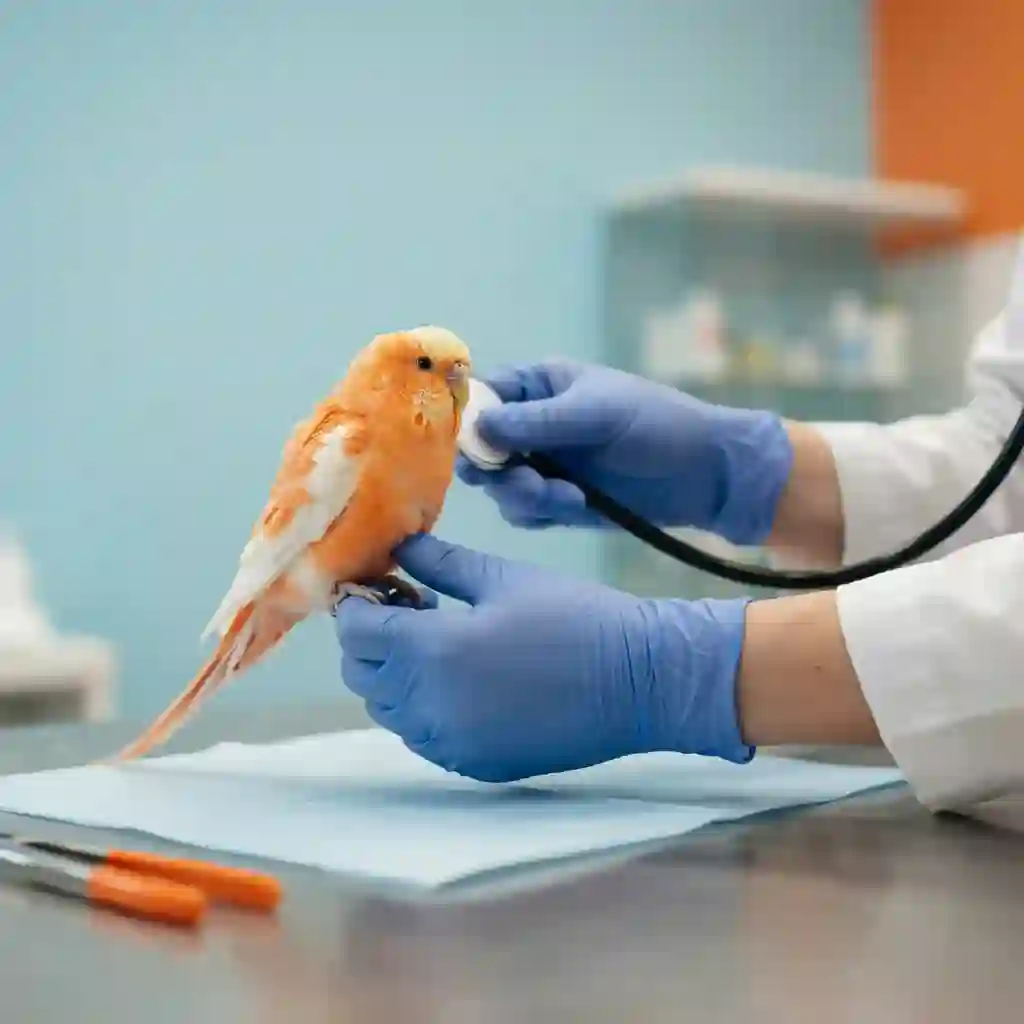

Having cared for them for years, I have come to understand that rabbits and small mammals are masters at disguise when it comes to pain. Unlike dogs or cats, they seldom show obvious signs of discomfort. That’s why it’s so important for owners to observe them closely. By noticing subtle changes in behavior or appetite early and consulting a reliable vet clinic in Dubai, you can ensure your pet receives prompt care and avoid serious health complications.
Why Is It Important to Recognize Pain Early?
In my practice, I’ve seen small mammals like rabbits, guinea pigs, and hamsters fall ill suddenly.
- Pain almost always indicates a serious issue, such as dental problems, gastrointestinal stasis, or injury.
- Ignoring these subtle signs can allow the condition to worsen quickly.
- Careful observation and timely action ensure your pet receives urgent veterinary care.
The Bottom Line: Early recognition saves lives
Recognized Signs of Pain in Rabbits and Small Mammals Pain assessment in small mammals is not always the same as in other pets.
From my years of experience, I see the following possibilities:
1. Changes in Behavior
- Hiding or Withdrawal: Rabbits can retreat to their cages and hide in corners, avoiding social interaction.
- Aggressiveness or Irritability: Getting nippy, growly, or refusing to be handled may seem out of character for a normally calm rabbit.
- Lethargy: Decreased activity and less interest in its surroundings a strong indicators of discomfort.
2. Altered Food and Water Intake
- Anorexia: Rabbits in pain may eat less or refuse their favorite treat.
- Change in drinking pattern: Excessive drinking or not drinking much can be a sign of distress here.
- Prehension ability to chew might be impaired: Rabbits are famous for dental pain, whereby they might eat selectively or drop their food.
3. Visible Signs
- Change in posture: Hunched or tense posture can often be a telltale sign of pain.
- Grinding teeth: This is considered loud teeth grinding and can be viewed as a sign of pain.
- Grooming pattern: Over-grooming, under-grooming, or matted fur can reflect stress or pain. Maintaining proper hygiene through regular pet grooming in Nad Al Sheba can help you notice changes early and keep their coat healthy.
- Going forward: Create and maintain a daily journal for the behavioral and feeding habits of your pet. This becomes useful in observing gradual changes.
Special Indicators in Rabbits
Coming back to my analysis, I found that rabbits possess a few actually distinctive signs of pain:
- Ear position: Droopy ears or ears held rigidly might indicate distress.
- Rapid respiration: Noticeably rapid breathing or shuddering breaths indicate severe pain in most cases.
- Droppings: Smaller-sized, fewer in number, or altered shape droppings can suggest some gastrointestinal distress, which is a common issue and one that can become very serious.
What You Can Do to Help
If you suspect that your small mammal is in pain, initiate the process:
- Observe them closely: Consider dedicating some time each day to watching your pet’s habits and posture.
- Provide comforting measures: A calm and quiet environment may help ease stress and help to prevent increased pain.
- Call out your veterinarian: Small mammals are highly susceptible, and pain relief should be maintained and controlled by an exotic-trained veterinarian.
- Give the veterinary documentation of all symptoms: Talk through your notes with the veterinarian. Even slight behavioral adjustments to eating, playing, activity, or droppings can point toward an underlying issue.
Mistakes to Avoid
From cases I have come across, a majority of owners tend to overlook the subtle signs:
- Take hiding behavior as a sign of normalcy.
- Droppings and appetite changes may be ignored.
- Home treatment is opted for without veterinary consultation.
Avoiding these mistakes will ensure that your small mammals get the treatment they adequately deserve.
Conclusion
Detecting pain in rabbits and small mammals requires careful observation, patience, and a good understanding of their behavior. Over the years, caring for these sensitive companions has taught me that early recognition of pain can prevent serious complications and even save lives. By paying attention to subtle behavioral changes, physical signs, and feeding habits, and using proven ways to calm pet anxiety fast when they are stressed, you can ensure your small mammal stays healthy, happy, and comfortable.