




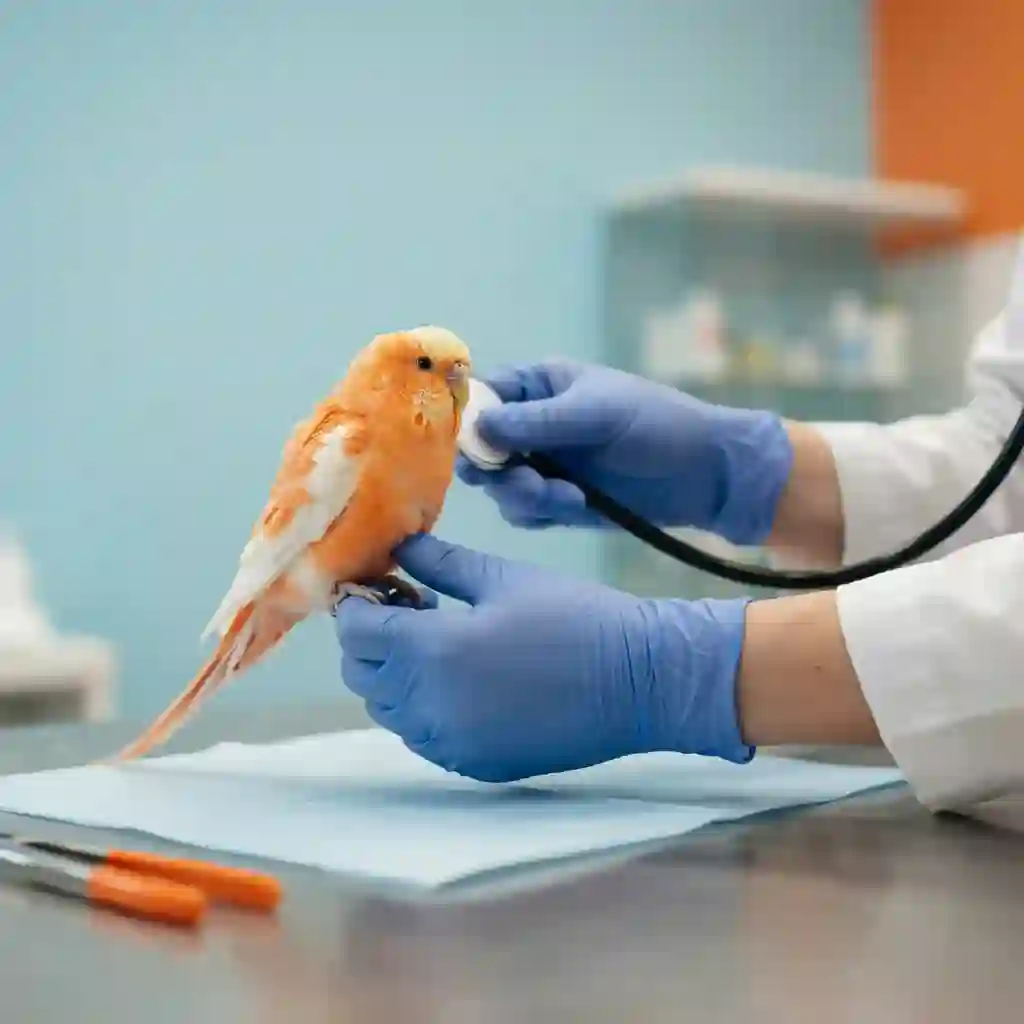

When I first brought my kitten home, I had a long list of vaccinations to consider, but I wasn’t sure about rabies. Talking to my vet opened my eyes: the rabies vaccine for cats isn’t just a legal requirement in many areas, it’s a lifesaver.
In this article, I’ll share everything you need to know, backed by veterinary expertise.
Why Rabies Vaccination Matters for Cats
Rabies is a fatal virus that attacks the nervous system and brain. It can be transmitted through bites or scratches from infected animals. Cats are particularly vulnerable because they may roam outdoors or encounter wildlife.
When my cat Luna slipped out of a slightly open window in Dubai, I realized even indoor cats aren’t completely safe. That’s why vets at a vet clinic in Dubai recommend vaccinating every cat, regardless of lifestyle.
Key Benefits of the Rabies Vaccine:
- Protects your cat from a fatal disease.
- Prevents transmission to humans and other pets.
- Complies with local laws, avoiding legal issues.
- Peace of mind knowing your cat is safe.
Is the Rabies Vaccine Legally Required?
The rules vary depending on where you live. In many countries, rabies vaccination for cats is mandatory by law, especially if your cat goes outdoors.
Here’s what I learned after speaking with multiple vets:
- In the U.S., most states require the rabies vaccine for cats older than 3 months.
- Some European countries have strict regulations, particularly in areas where rabies is still present.
- If you travel internationally with your cat, proof of rabies vaccination is almost always required.
Even if it’s not strictly mandatory in your area, vets, including my own, strongly advise getting the shot for safety reasons.
Timing and Frequency of the Vaccine
From personal experience, timing is crucial. Luna got her rabies vaccine at 12 weeks, followed by a booster a year later. While I was in Nad Al Sheba, I also took her to a Pet Vaccination in Nad Al Sheba, which made it easy to manage her vaccinations and care together.
Tips for Scheduling:
- Combine rabies vaccination with other routine shots to reduce stress on your cat.
- Keep a vaccination record; this is helpful for vet visits and travel.
- Discuss your cat’s health history with your vet to determine the best vaccination schedule.
Safety and Side Effects
Like any vaccine, the rabies shot can have minor side effects. Based on my experience and vet consultations, most cats experience:
- Mild soreness at the injection site.
- Slight lethargy for 24 hours.
- Reduced appetite.
Severe reactions are rare but possible. Always monitor your cat after vaccination and contact your vet if you notice anything unusual.
Tips to Reduce Stress:
- Schedule vaccinations when your cat is calm.
- Offer treats and comfort afterward.
- Observe your cat for a few hours post-vaccine.
Final Thoughts: Protecting Your Cat and Your Family
From my years of caring for cats and consulting veterinarians, I’ve realized that the rabies vaccine is one of the most important preventive measures you can take. Whether it’s mandated by law or not, vaccinating your cat ensures safety for both your pet and your household. With Luna, I followed the types and importance of cat vaccinations to make sure she received the right shots at the right time.