




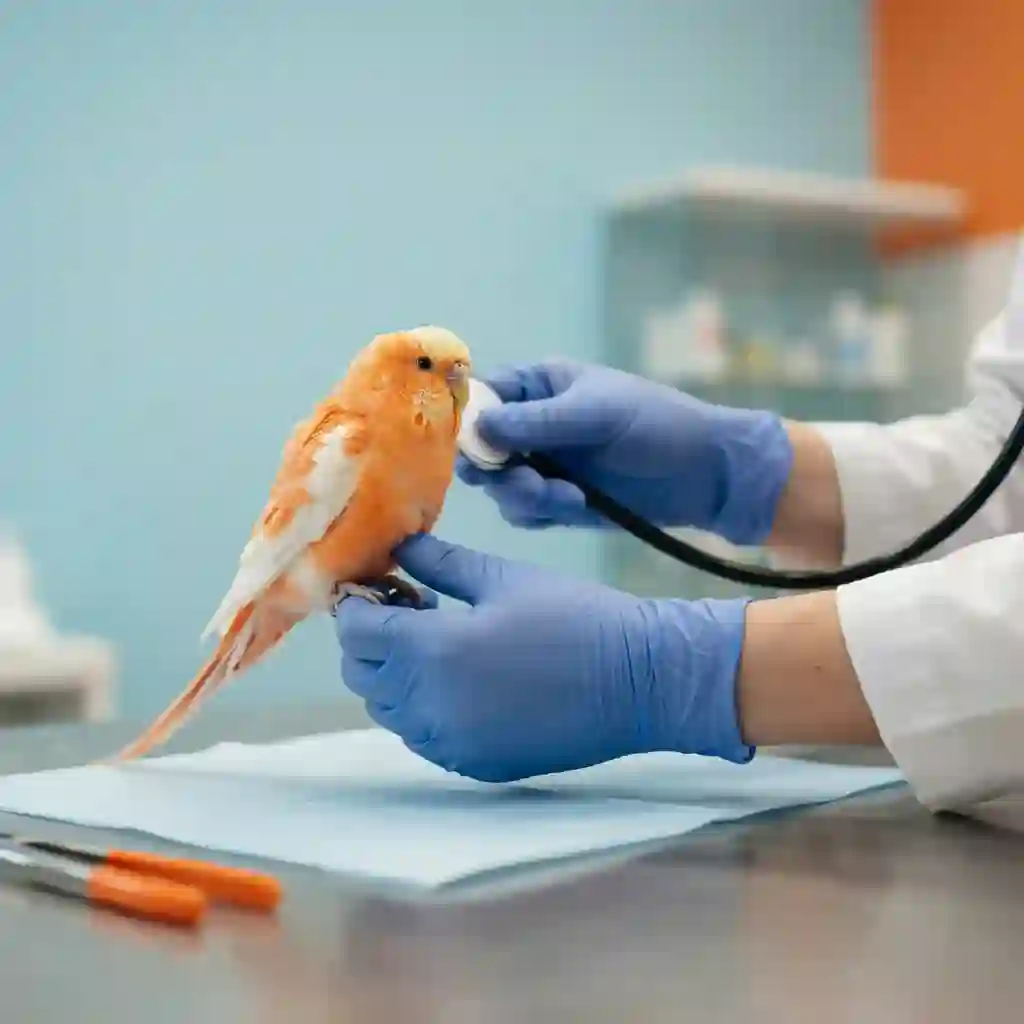
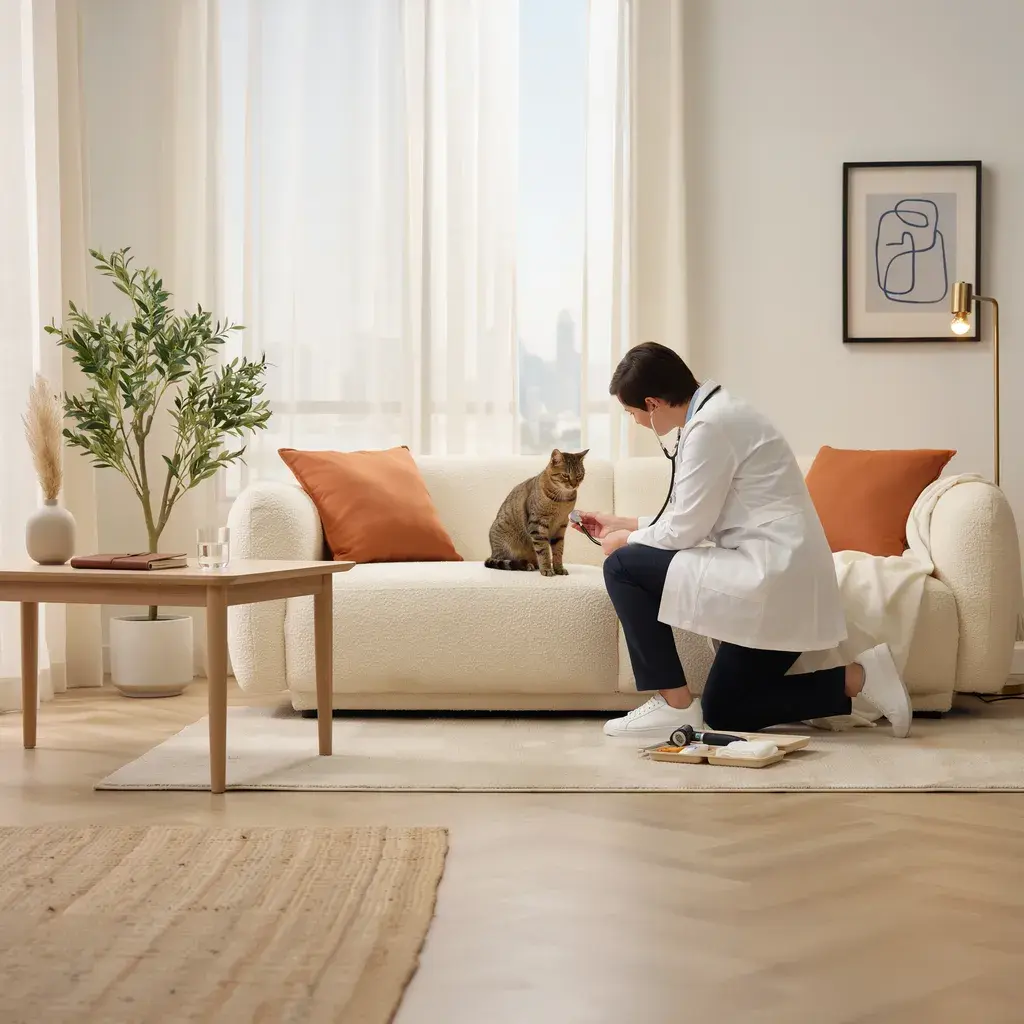
I’ve often wondered whether indoor cats truly need vaccinations. My two indoor cats never step outside, and initially, I assumed they were completely safe from diseases until I visited a vet clinic in Nad Al Sheba for a routine check-up. However, after consulting veterinarians and researching extensively, I realized that vaccinating indoor cats is not just important; it’s essential for their lifelong health.
In this post, I’ll share my experience, expert advice, and actionable tips to help fellow cat parents make informed decisions.
Why Vaccinate Indoor Cats?
Even if your cat never leaves the house, they is still at risk of certain infectious diseases. Viruses like Feline Panleukopenia (FPV), Feline Herpesvirus (FHV), and Feline Calicivirus (FCV) can be brought inside by you, other pets, or even on your clothes and shoes.
From my own experience, I learned that when a friend’s outdoor cat visited, my cat nearly caught an infection I didn’t anticipate. After that scare, I realized the importance of preventive care, and consulting a professional for cat vaccination in Dubai became a priority for my indoor cats.
Key Points to Look For:
- Indoor cats can catch diseases indirectly.
- Vaccines prevent life-threatening infections.
- Immunization helps reduce the spread of contagious viruses in multi-cat households.
When Should Indoor Cats Be Vaccinated?
Timing is critical. Based on veterinary guidance and my personal experience, the standard cat vaccine schedule usually looks like this:
- Kittens (6 to 16 weeks old): Begin core vaccinations at 6 to 8 weeks, with boosters every 3 to 4 weeks until 16 weeks.
- Adult cats: Receive a booster one year after the kitten series.
- Every 1 to 3 years thereafter: Depending on your veterinarian’s advice and the specific vaccine.
When I was in Nad Al Sheba, the advice I received during the visits for pet vaccinations in Nad Al Sheba encouraged me to track vaccinations carefully and follow the correct schedule.
Core Vaccines for Indoor Cats
Not all vaccines are optional. For indoor cats, veterinarians typically recommend:
- Feline Panleukopenia Virus (FPV): Highly contagious and potentially fatal.
- Feline Herpesvirus (FHV-1): Causes upper respiratory infections.
- Feline Calicivirus (FCV): Leads to mouth ulcers and respiratory issues.
- Rabies: Required by law in many regions, even for indoor cats.
Optional vaccines, like Feline Leukemia Virus (FeLV), may be recommended if your cat interacts with other cats occasionally.
My Experience:
After getting these core vaccines for my indoor cats, I noticed they had fewer sniffles during the winter months, and the vet confirmed they were healthy and fully protected.
Practical Tips for Vaccinating Indoor Cats
Vaccinating cats can feel stressful, especially for indoor-only pets. Here are tips I learned that helped my cats stay calm:
- Schedule appointments during quieter clinic hours to reduce stress.
- Bring a favorite toy or blanket to comfort your cat.
- Feed a small treat afterward to create a positive association.
- Ask the vet about combined vaccines to minimize injections.
- Maintain a vaccination record for reference and emergencies.
Following these steps made the process smooth and stress-free for both my cats and me.
Common Myths About Indoor Cat Vaccination
I used to believe indoor cats don’t need vaccines, but this is a myth. Here’s why:
- Myth 1: Indoor cats never get sick.
Reality: Pathogens can enter your home in subtle ways. - Myth 2: Vaccines are risky for indoor cats.
Reality: Modern vaccines are safe, and the benefits far outweigh the minimal risks.
Understanding these truths reassured me that vaccinating indoor cats is a responsible choice.
Conclusion
In my years as a cat parent, I’ve realized that vaccinating indoor cats is not just precautionary; it’s a necessity. It protects them from deadly diseases, supports overall wellness, and gives cat owners peace of mind. By following a proper vaccine schedule, consulting your veterinarian, and taking small steps to reduce stress, while understanding the types and importance of cat vaccinations, you can ensure your indoor cat lives a healthy and happy life.
Remember, being proactive today can prevent heartbreak tomorrow. Make vaccination a priority for your indoor feline friends.