

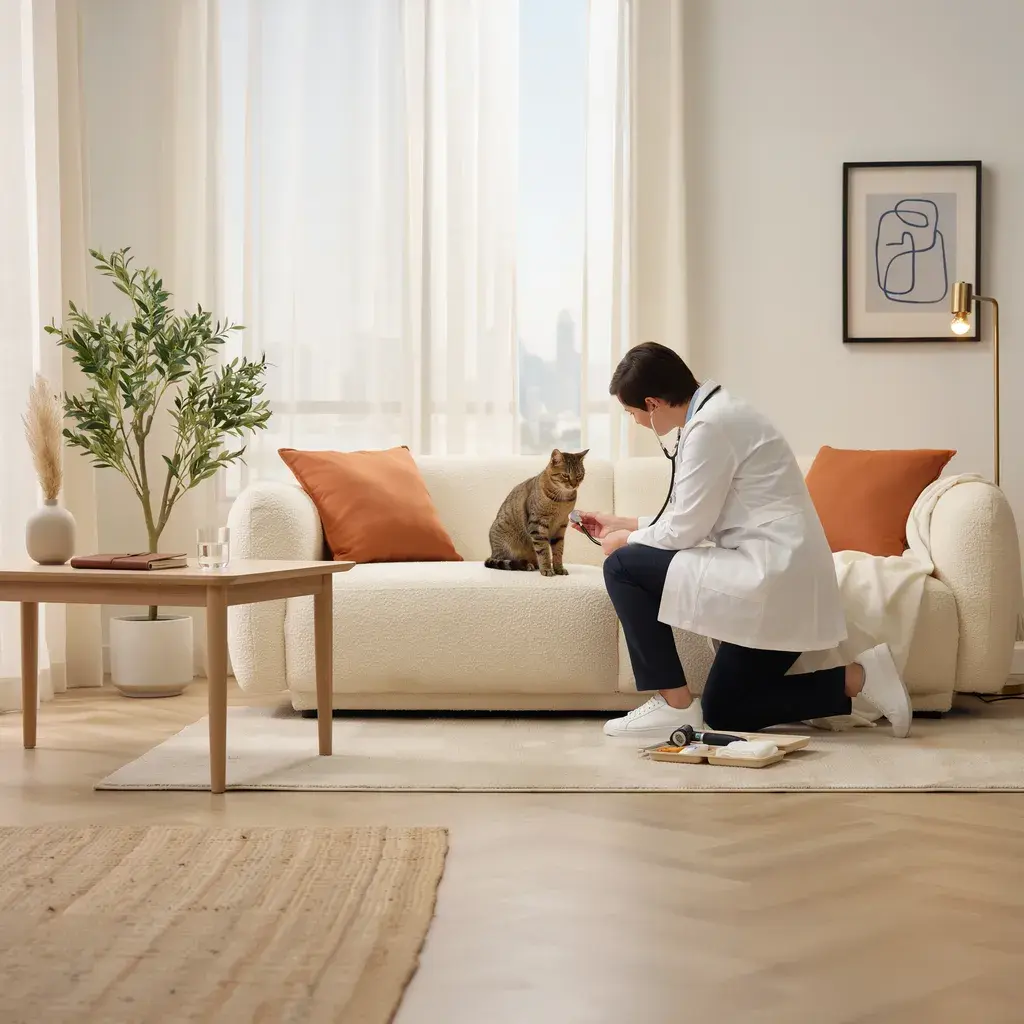
Being a lifelong cat owner, I’ve experienced that keeping your feline friend healthy goes far beyond regular meals and cuddles. One of the most crucial steps in protecting your cat’s health is ensuring they receive the feline herpesvirus vaccine, which I always discuss when visiting my vet clinic in Nad Al Sheba. I want to share my experience, knowledge, and insights so you understand why this vaccine is essential and how it safeguards your cat from a common but serious disease.
Understanding Feline Herpesvirus
Feline herpesvirus, also known as FHV-1, is a contagious virus that primarily affects a cat’s respiratory system and eyes. In my own experience, cats exposed to FHV-1 can develop symptoms like
- Sneezing and nasal discharge
- Eye infections or conjunctivitis
- Fever or loss of appetite
- Lethargy and general discomfort
FHV-1 can be particularly dangerous for kittens, older cats, and those with compromised immune systems. I’ve seen firsthand how a mild infection in one cat can lead to severe illness in another, which is why prevention is so important.
How the Feline Herpesvirus Vaccine Works
The feline herpesvirus vaccine trains a cat’s immune system to recognize and fight FHV-1 before it causes serious illness. When my cat received the vaccine as a kitten, it was a simple, low-stress visit to the veterinarian, but the protection it offered was invaluable.
The vaccine:
- Reduces the severity of symptoms if your cat is exposed
- Helps prevent secondary infections
- Limits the spread of the virus to other cats
While the vaccine cannot completely prevent infection, it greatly lowers the risk of FHV-1. My own cat in Dubai benefited from timely cat vaccination in Dubai, and I noticed how much healthier and happier they stayed.
Who Should Get the Vaccine?
From my experience working with multiple cats over the years, I’ve learned that most cats benefit from the vaccine, especially those who:
- Spend time in multi-cat households or shelters.
- Attend cat shows or boarding facilities.
- Young kittens or older cats with weaker immune systems.
- Have not previously been exposed to FHV-1.
Even indoor-only cats can be at risk, as the virus can hitch a ride on your shoes, clothing, or other pets.
Vaccination Schedule and Tips
When I first adopted my cat, I asked my veterinarian about the best vaccination schedule. Here’s what we followed:
- Kittens: The initial series starts at 6 to 8 weeks, with boosters every 3 to 4 weeks until 16 weeks of age.
- Adult cats: One initial dose followed by a booster one year later, then every 1 to 3 years, depending on your vet’s advice.
Tips from my experience:
- Always keep vaccination records updated.
- Consult your vet if your cat has a weakened immune system before vaccinating.
- Watch for mild side effects like temporary soreness or slight lethargy, which usually resolve within a day.
My Personal Takeaway
I can’t stress enough how important the feline herpesvirus vaccine has been in keeping my cats healthy. In households with multiple cats, FHV-1 can spread rapidly, but vaccination dramatically reduces outbreaks and keeps my furry companions active and happy. By combining vaccination with proper hygiene, regular vet checkups, and a nutritious diet, I’ve created a solid defense against this common viral infection.
Conclusion
In my years of experience as a cat owner, I’ve realized that prevention is always better than cure. The feline herpesvirus vaccine is a simple, safe, and effective way to protect your cat from a virus that can cause long-term health issues, and it often leads cat owners to ask questions like, “Is the rabies vaccine mandatory for cats?” Whether your cat is a playful kitten or a senior feline, getting vaccinated ensures they live a healthier, happier life.
Protect your cat today. Vaccination is an investment in their well-being that pays off for years to come.