


One of the calls that has stayed with me came from an owner whose cockatiel had been “a bit quiet” for a day by the time she rang; the little bird was fluffed up and sitting flat at the bottom of the cage. She kept apologising for “overreacting.” She wasn’t overreacting at all; that bird needed to be seen that same day. This is the hard truth about birds: if yours is fluffed up for hours, sitting at the bottom of the cage, breathing with an open beak, or has stopped eating for more than 12 hours, you need to see an avian vet in Dubai right away. Birds hide illness as a survival instinct, so by the time you notice something is “off,” they’re often much sicker than they look.
Having cared for Dubai’s birds at Happy Tails, I can tell you the short answer is simple: when in doubt, get them checked the same day. Waiting overnight with a sick bird is one of the most common reasons we lose them.
Why Birds Hide Their Symptoms (And Why That Matters in Dubai)
Here’s the thing about birds. In the wild, a sick parrot or finch is a target. Predators pick off the weak ones first, so birds evolved to mask pain and illness until they physically can’t anymore. That instinct doesn’t switch off just because your African Grey lives in a comfortable cage in Jumeirah or your budgie is perched in a flat in Dubai Marina.
That means subtle signs you’d brush off in a dog or cat are often emergencies in birds. A dog who skips one meal? Probably fine. A cockatiel who skips one meal? That’s worth a phone call.
Dubai’s climate adds another layer. The constant switch between blazing outdoor heat and heavy indoor AC dries out the air, irritates the respiratory tract, and can trigger or worsen infections in pet birds. Dust from construction, scented candles, Teflon fumes from non-stick pans, even shisha smoke drifting in from a neighbour’s balcony… any of these can hit a bird’s sensitive lungs hard.
Warning Signs You Should Never Ignore
Most vets will tell you the first thing to watch is your bird’s posture and feathers. A healthy bird is alert, sleek, and curious. A sick bird looks puffed up, sleepy at odd hours, and quieter than usual.
Physical Changes
Watch for fluffed feathers during the day, tail bobbing when breathing, discharge from the nostrils or eyes, crusty patches around the beak, or any swelling. Check the vent area too. If it’s dirty, stained, or has stuck droppings, something is wrong with digestion. Bald patches that weren’t there last week? Could be plucking from stress, mites, or skin disease. Either way, it needs looking at.
Weight loss is huge with birds, and it sneaks up on owners. A budgie losing 5 grams sounds tiny. For a 35-gram bird, that’s roughly the equivalent of a human losing 10 kilos in a week. Get a small kitchen scale and weigh your bird weekly. It’s the single best home monitoring tool you have.
Behavioural Changes
A bird that normally chatters all morning has suddenly gone silent. A parrot who used to greet you at the cage door is now sitting on the lowest perch. Reduced interest in toys, favourite treats, or coming out for playtime. These shifts matter.
In our experience at Happy Tails, owners often say the same thing when they walk in: “He was fine yesterday.” Usually, the bird wasn’t fine yesterday. The signs were just quiet.
Symptoms That Mean You Need an Avian Vet Immediately
Some things genuinely can’t wait until Monday morning. If you see any of these, treat it as urgent and call ahead so the clinic can prepare:
Open-mouth breathing or tail pumping with every breath. Bleeding from a broken blood feather or injured nail. Seizures, head tilting, or loss of balance. Vomiting (real regurgitation onto the cage floor, not the affectionate kind some parrots do for their humans). Sudden inability to perch. Egg-binding in females — straining, sitting puffed at the cage bottom, no egg passing within a few hours.
Respiratory distress in particular is a same-hour emergency. Birds have an incredibly efficient but fragile lung-and-air-sac system, and they crash fast. For after-hours situations like these, please go straight to emergency vet in Dubai care rather than waiting until morning.
If your cockatiel hasn’t eaten in 24 hours and is hiding in the corner of the cage, that’s not shyness. That’s a bird telling you something is wrong.
What to Expect at an Avian Vet Visit
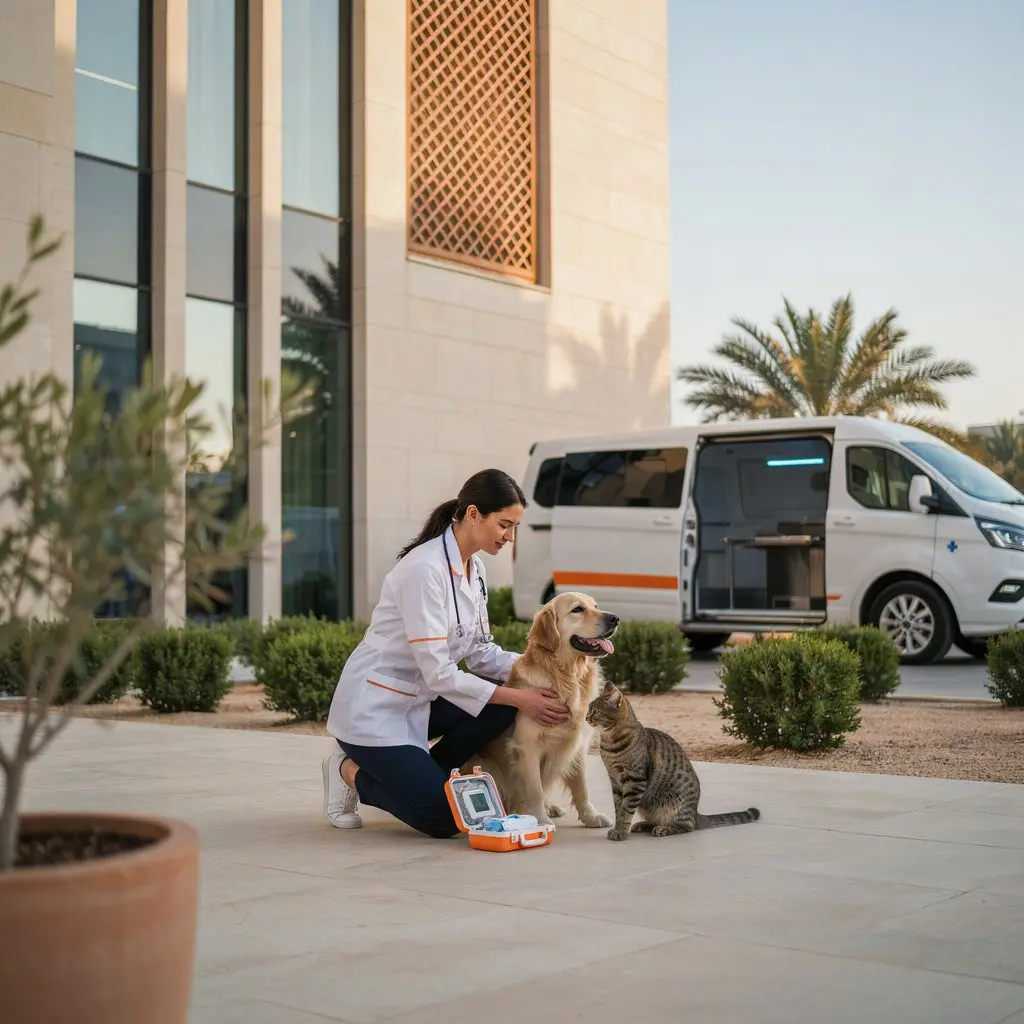
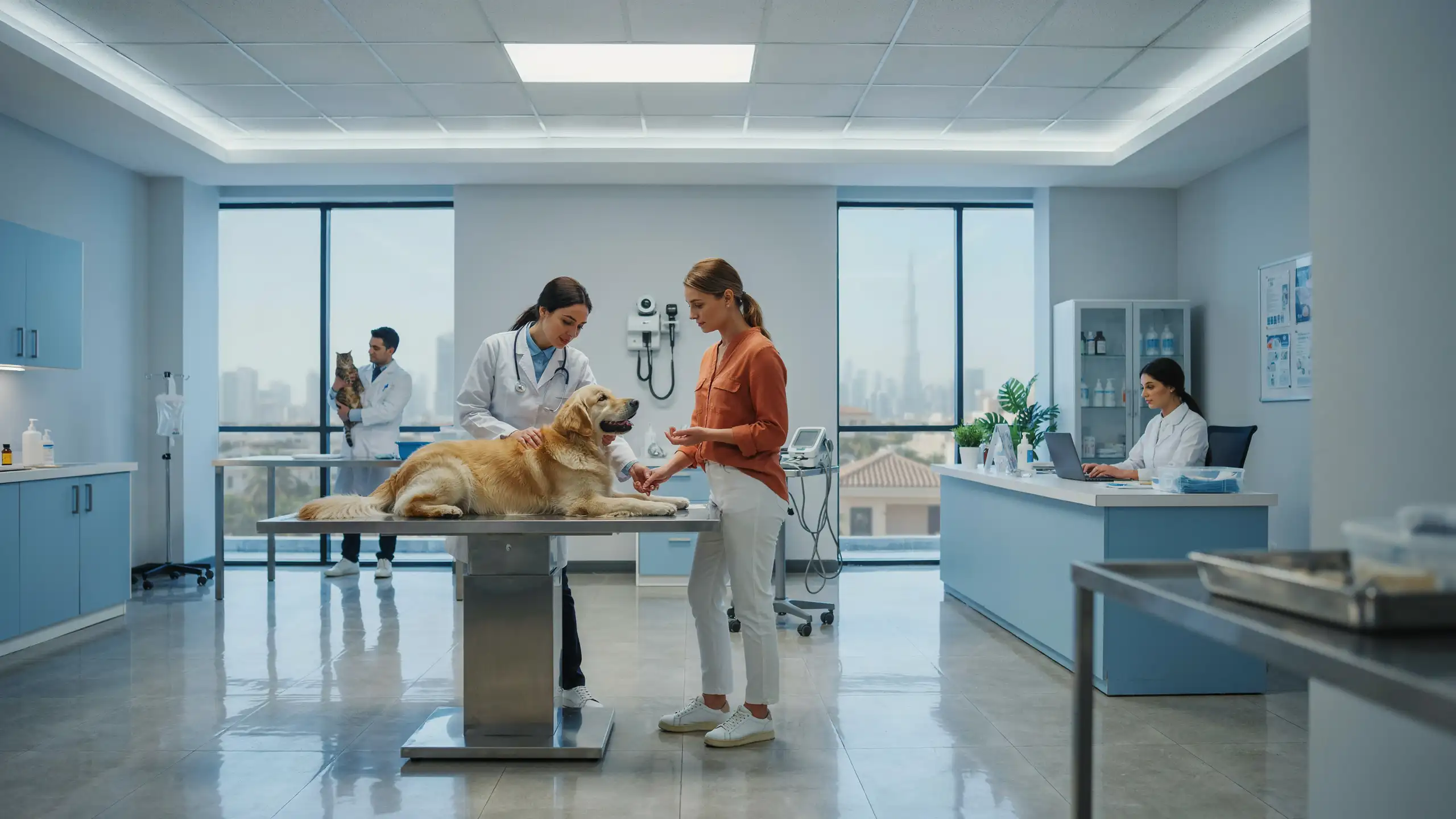
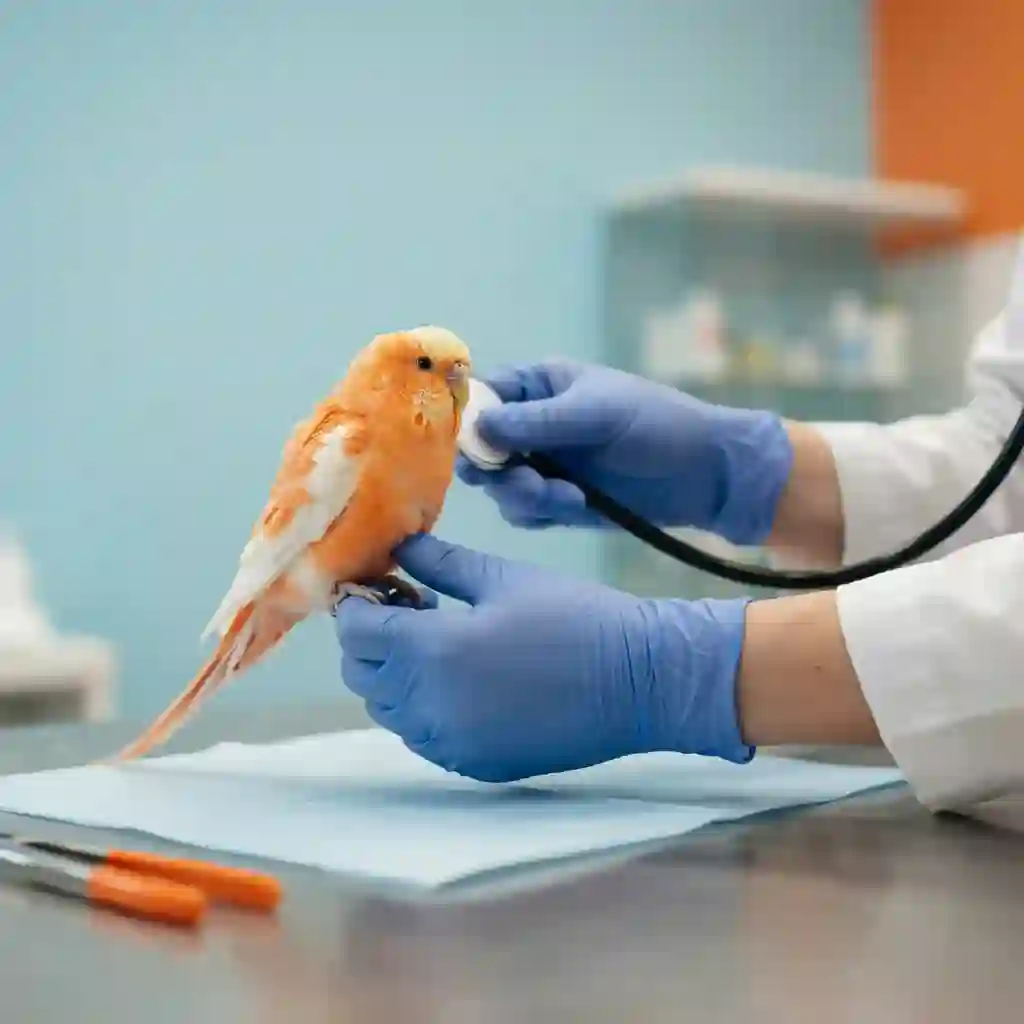
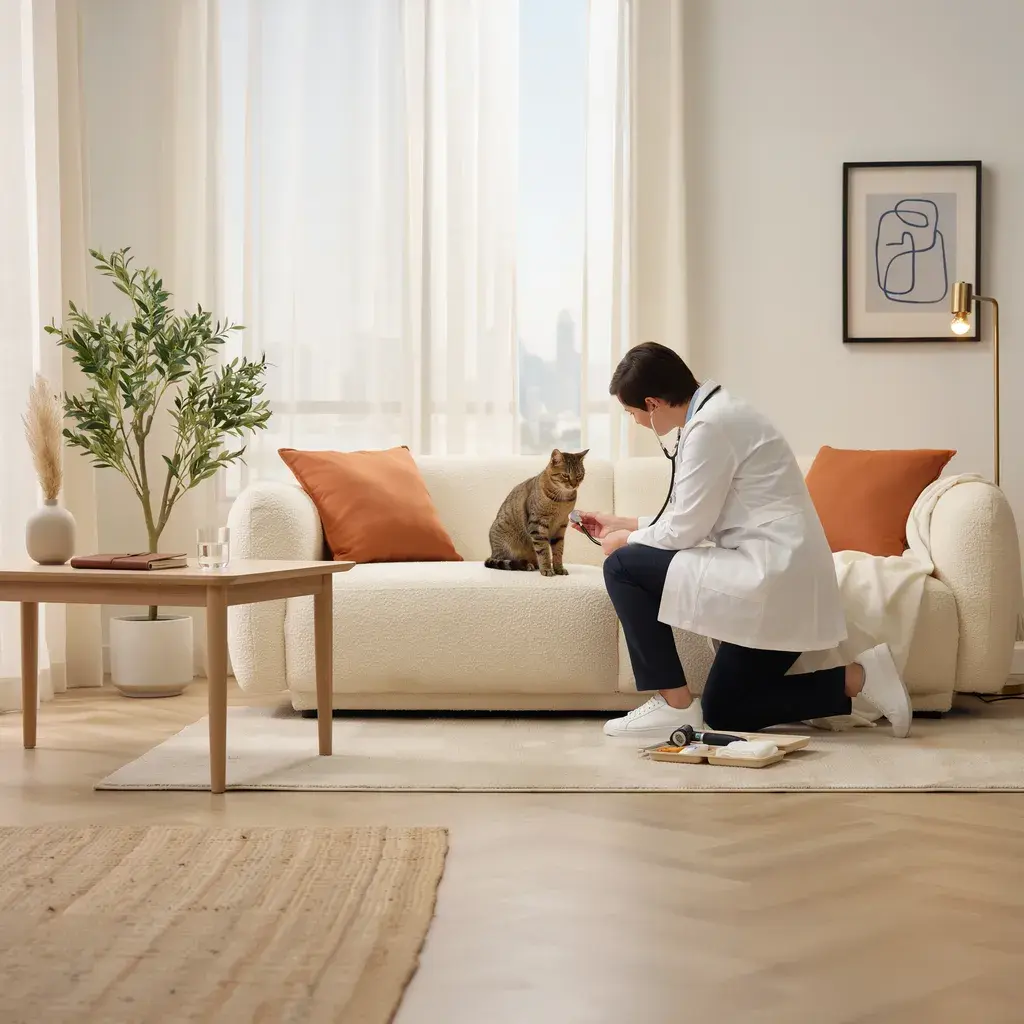
Avian medicine is its own speciality. Not every vet handles birds and that’s actually a good thing. You want someone who truly understands avian care. A proper bird health check Dubai owners can rely on usually includes a gentle physical exam, weight check, feather and skin assessment, beak and nail evaluation, listening to the heart and air sacs, and sometimes a faecal test or quick blood draw if anything looks off. If your bird is too stressed to travel, a mobile vet in Dubai can help assess initial health concerns at home.
Bring your bird in the cage they’re familiar with if it’s portable, or use a smaller travel carrier with a low perch and a familiar toy. Cover the cage during transport stress alone can seriously impact a sick bird. Avoid traveling during midday heat in Dubai; early morning or evening is much safer. In urgent situations where transport isn’t possible, a mobile vet in Dubai can be a safer option.
At Happy Tails Veterinary Clinic, our team cares for a wide range of birds from budgies and cockatiels to African Greys, macaws, lovebirds, and even rescued parrots from local bird groups. If you’ve never visited an avian vet in Dubai before, don’t worry we’ll guide you through every step and ensure your bird gets the care it needs.
Final Thoughts
If you’re noticing anything off with your bird, don’t sit on it overnight Happy Tails Veterinary Clinic in Nad Al Sheba has an avian-experienced team ready to help, and we genuinely prefer seeing you for a “maybe nothing” visit than a late-stage one. You can book online, give us a call, or send a quick WhatsApp message with a short video of what’s worrying you and we’ll guide you from there.
Frequently Asked Questions
- How often should my pet bird see an avian vet?
A healthy adult bird benefits from a wellness check once a year. Young birds, breeding pairs, and seniors over 8 years should ideally come in every six months, because subtle issues catch up faster with them.
- My budgie sleeps a lot during the day. Is that normal?
Some afternoon dozing is fine, especially in hot weather. But puffed feathers, closed eyes for long stretches, and sleeping on two feet instead of one that’s not napping; that’s a sick bird. Worth a visit.
- Can I give my bird human medicine if it’s sick?
No. Please don’t. Many over-the-counter human medications, including paracetamol, ibuprofen, and most cold remedies, are toxic to birds even in tiny amounts. Always check with a vet first.
- Is air conditioning bad for my parrot?
Not on its own. But cold drafts blowing directly on the cage, sudden temperature swings, and very dry air can all cause problems. Keep the cage away from vents, use a humidifier if your AC runs constantly, and your bird will do much better.