




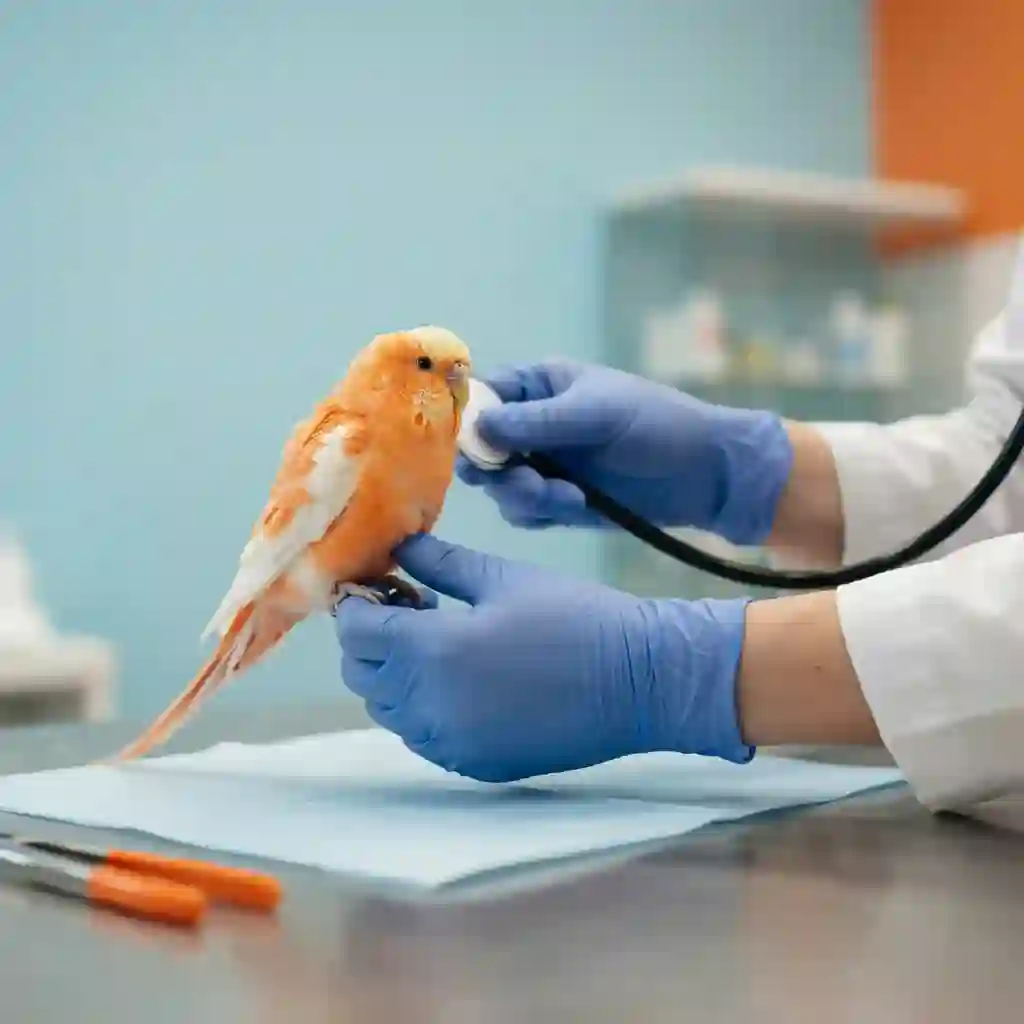

After surgery, your cat’s comfort and safety are top priorities. One of the most common recommendations from vets is the use of an Elizabethan collar better known as a “cone.” Many pet owners often ask, “How long should a cat wear a cone after surgery?”
The answer depends on the type of surgery, healing progress, and your cat’s behavior. As a veterinary surgeon, I can tell you the cone is one of the simplest yet most important parts of recovery improper post-surgical care is a leading cause of avoidable complications, and the cone prevents many of them.
For urgent situations or unexpected complications, our emergency vets in Dubai ensure your cat gets the right care without delay. In this guide, we’ll explore timelines, practical tips, and professional advice to help you manage your cat’s healing journey.
The One Mistake I See Most After Surgery
If I had to name the single most common recovery setback, it’s owners taking the cone off too soon usually out of sympathy, because the cat looks miserable.
I remember a cat whose owner removed the cone after just a few days because “she seemed fine.” Within hours, the cat had licked and opened part of the incision, and we had to re-close the wound. It was completely avoidable. Cats can undo days of healing in minutes, and they often go for the wound the moment they’re unsupervised.
That case is exactly why, at our vet clinic in Dubai, I now spend extra time on the “cone talk” before every patient goes home. A few uncomfortable days in the cone is a small price for a clean, complication-free recovery.
Why Cats Need to Wear a Cone
Cats instinctively groom themselves, which can lead to licking or chewing at stitches. This risks:
- Infection from bacteria entering the wound.
- Delayed healing due to reopening of sutures.
- Serious complications if internal stitches are disturbed.
The cone prevents direct access to the surgical site, giving wounds a safe chance to heal. A cat’s tongue is rough and their mouth carries bacteria, so even “gentle” licking is harmful.
How Long Should a Cat Wear a Cone After Surgery?
Most cats need to wear the cone for 10 to 14 days the average time it takes for surgical wounds to heal and stitches to be removed.
However, this can vary:
- Minor surgeries (such as small wound closures): 7–10 days.
- Spay/neuter operations: 10–14 days.
- Complex or orthopedic surgeries: Up to 3 weeks or more.
Always follow your veterinarian’s guidance, as recovery times differ based on age, health, and type of procedure.
Signs Your Cat May Still Need the Cone
Remove the cone only when:
- The wound is fully closed with no redness or swelling.
- Stitches or staples have been removed (if applicable).
- Your vet confirms healing is complete.
If your cat continues to show interest in licking or scratching the wound, keep the cone on longer. When in doubt, leave it on and ask your vet.
What a Healing Incision Should Look Like
Knowing what’s normal helps you judge progress and spot trouble early.
Normal healing: edges held neatly together, mild initial redness that fades, perhaps slight bruising, and no discharge after the first day or two.
Warning signs — call your vet: increasing redness or swelling, gaping edges, bleeding, pus or a bad smell, the wound feeling hot, or your cat being painful, off food, or unusually lethargic.
Tips to Help Your Cat Adjust to the Cone
- Choose the right fit: The cone should extend just beyond the nose.
- Provide soft bedding: Prevents discomfort when lying down.
- Elevated bowls: Make eating and drinking easier.
- Offer enrichment: Toys and interaction reduce stress.
- Monitor closely: Watch for signs of distress or attempts to remove the cone.
- Give it time: Most cats adjust within a day or two, even if they sulk at first.
Can My Cat Eat, Sleep, and Use the Litter Box With a Cone?
Yes, and this reassures most worried owners. Cats can do all their normal daily activities in a cone; they just need a little help at first. Raise or widen food and water bowls so the cone doesn’t block them, keep the litter box easily accessible, and provide a soft, quiet resting spot. If your cat truly can’t eat or drink with the cone on, contact your vet rather than leaving it off unsupervised an alternative collar may suit better.
Veterinary Care and Follow-Up
Post-surgical follow-ups are Post-surgical follow-ups are crucial to assess healing progress. At a veterinary clinic, your local vet or a Mobile Vet in Dubai will usually schedule a check-up within 7–10 days. This ensures wounds are healing correctly and that it’s safe to eventually remove the cone.to assess healing progress. At a veterinary clinic, your local vet will usually schedule a check-up within 7–10 days. This ensures wounds are healing correctly and that it’s safe to eventually remove the cone.
The Role of Grooming During Recovery
Cats in recovery can’t groom themselves normally due to the cone. Professional pet grooming in Dubai can help keep your cat clean and comfortable while avoiding stress or infection, handling bathing, nail trimming, and coat care in ways that don’t disturb surgical wounds. (Always check with your vet on timing the surgical site itself should stay dry until healed.)
Post-Surgery Care in Urban Clinics
If your cat underwent pet surgery in Dubai, chances are you’ve already been given aftercare instructions. Urban veterinary centers often provide detailed recovery guidelines, including when to remove the cone, how to monitor wounds, and what diet adjustments to make during healing.
Alternatives to the Traditional Cone
While the plastic cone is most common, other options may help if your cat struggles:
- Soft fabric cones – More comfortable for sleeping.
- Inflatable collars – Prevent head turning without full restriction.
- Recovery suits – Full-body coverings for surgical sites.
Discuss with your vet before switching, as some alternatives may not offer full protection.
Common Mistakes to Avoid
- Removing the cone too early – Can cause infections or re-suturing.
- Not checking for signs of irritation – The cone should not cause chafing.
- Leaving the cat unsupervised outdoors – Risks dirt or injury to the surgical area.
- Ignoring behavioral signs – Excessive pawing, lethargy, or not eating requires veterinary attention.
Conclusion
Understanding how long a cat should wear a cone after surgery is essential for a safe, speedy recovery. On average, most cats need 10–14 days of protection, but your vet’s guidance is the ultimate authority. From minor to orthopedic procedures, the cone prevents licking, infection, and delayed healing.
Supporting your cat with proper check-ups, grooming help, and attentive care ensures they return to their normal, happy selves. Remember a little patience during recovery today means a healthier tomorrow for your feline companion.
Frequently Asked Questions
How long should a cat wear a cone after being spayed or neutered?
Usually 10–14 days, until the incision has healed and any stitches are removed. Always follow your vet’s specific advice.
Can I take the cone off when I’m watching my cat?
Only if your vet approves. Cats can damage a wound in seconds, so most surgeons recommend keeping it on continuously until healing is confirmed.
My cat seems depressed in the cone is that normal?
A day or two of sulking is common. Most cats adjust quickly. If they truly can’t eat, drink, or rest, ask your vet about a softer or inflatable alternative.
Can my cat sleep and use the litter box with the cone on?
Yes. With a soft bed, accessible litter box, and raised bowls, cats manage all normal activities in a cone.
What can I use instead of a plastic cone?
Soft cones, inflatable collars, or recovery suits can work for some cats, but check with your vet first, as not all protect every wound.
What are the signs of a problem with the incision?
Increasing redness or swelling, gaping, bleeding, pus, bad smell, heat, or your cat being painful, off food, or lethargic contact your vet promptly.