

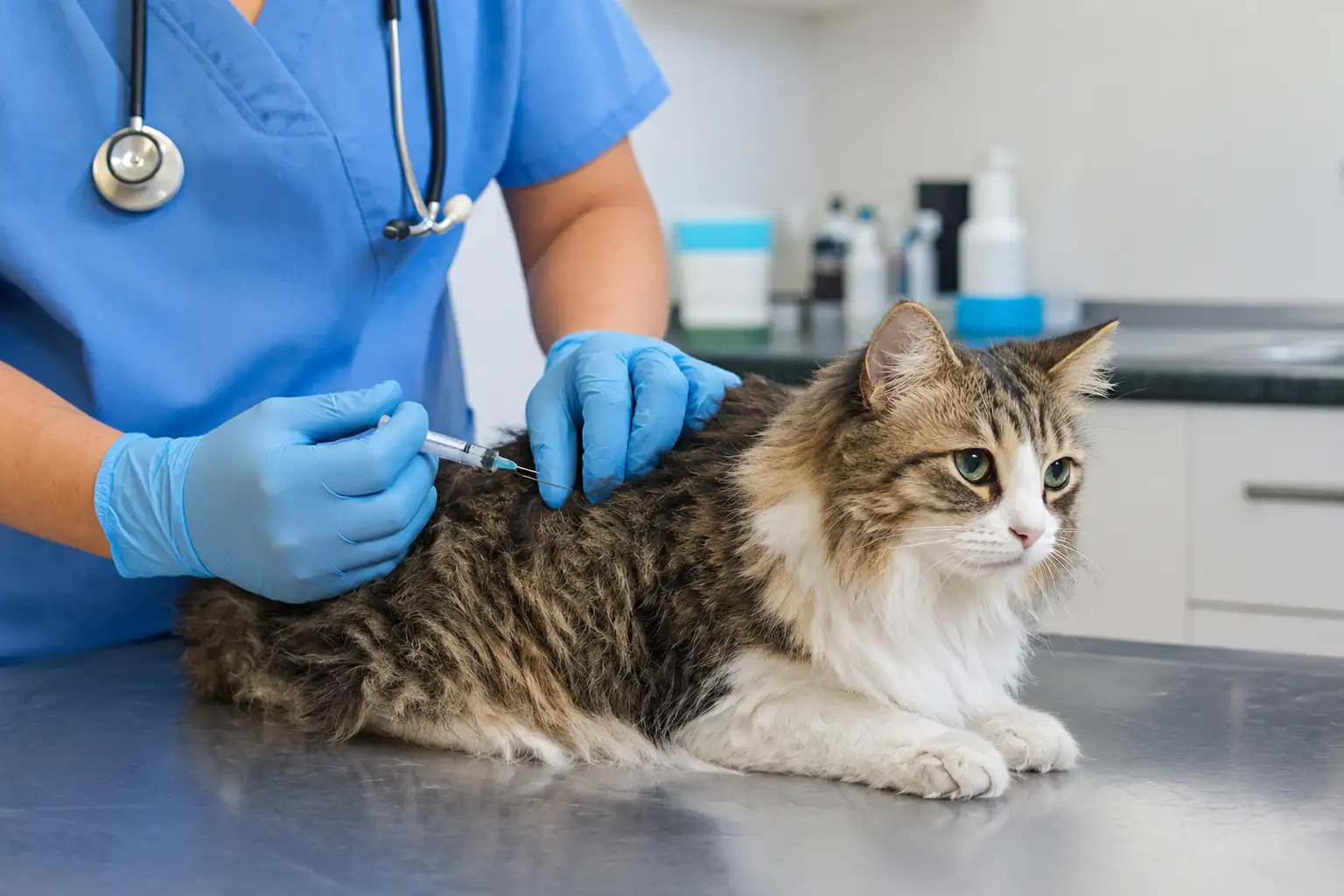

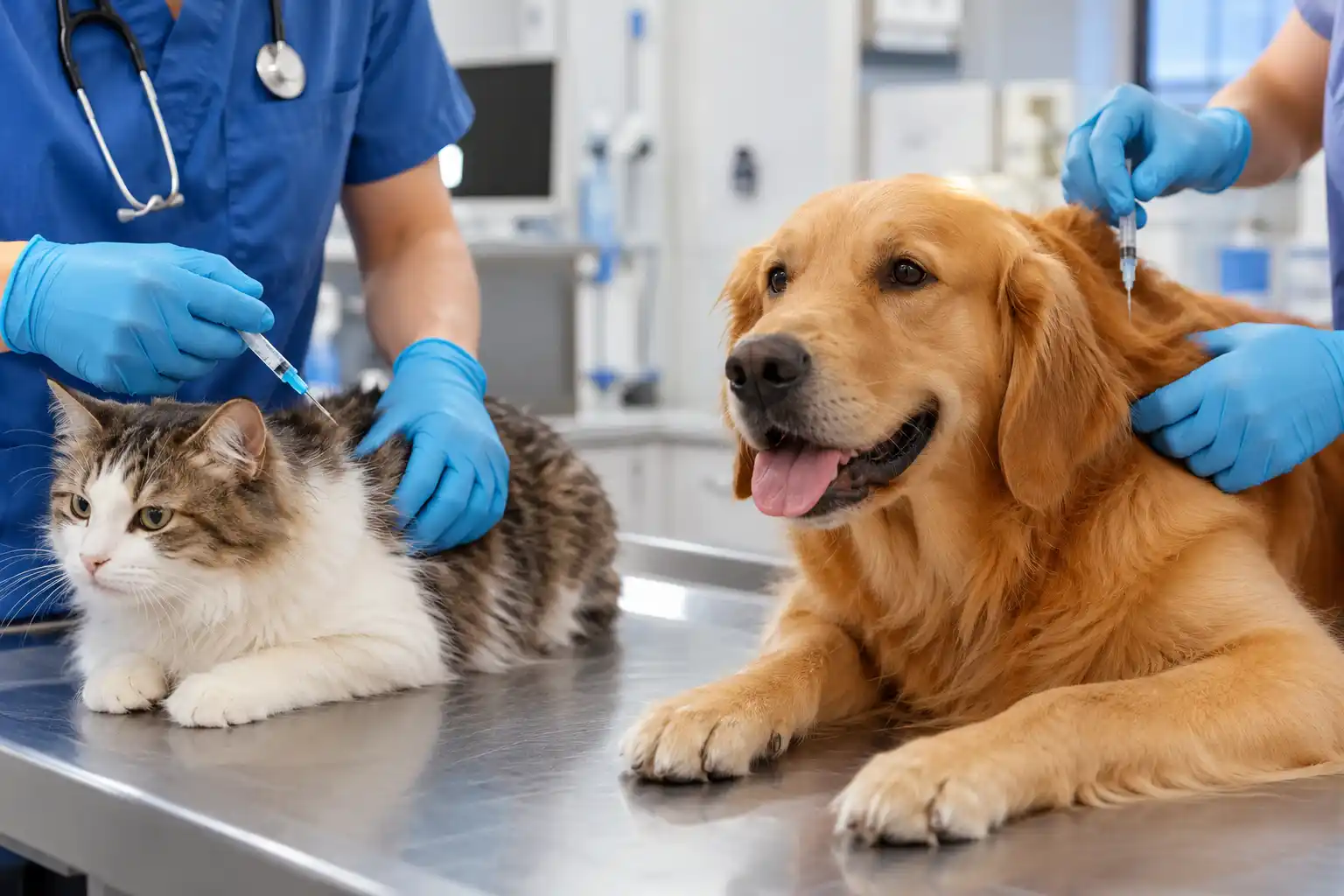

The UAE has imposed a ban on around nine veterinary medicinal products, which also includes raw materials. This ban will be in effect as of 1st November, 2026. The banned antibiotics contain ciprofloxacin, a strong antibiotic, and every pet clinic in Dubai needs to understand what the change means for the animals it treats.
The Emirates Drug Establishment (EDE) announced the decision on 20 October. They are the regulators that oversee medical and pharmaceutical products in the country.
Dr Ruqaya Aqeel Al Bastaki, Acting Executive Director of EDE’s Medical Products Regulation Sector, explained how decisions like this are made. In simple terms, every antimicrobial is judged on its own risks. The question is how those risks could affect treatment choices, and not only in one sector.
She said scientific evidence decides how strong the response should be. If the data points to a risk, the regulator steps in. EDE also aims to keep its decisions in line with the latest science and act early on resistance.
The goal, in her words, is to keep existing treatments working, protect public health and keep the medicine supply secure and sustainable.
Which Drugs Were Banned Exactly?
The ban affects nine veterinary products. Eight are imported, and one is registered locally. It also covers raw materials that contain ciprofloxacin.
Here’s what has and hasn’t been made public:
- 8 imported products: not specified. The announcement doesn’t name them.
- 1 locally registered product: not specified.
- Raw materials containing ciprofloxacin: covered by the ban, but not listed.
So we can’t name brands, manufacturers, or the animals each product was used on. What we do know is the drug itself.
Ciprofloxacin belongs to the fluoroquinolone group of antibiotics. It’s a strong antibiotic used to treat certain bacterial infections. The announcement doesn’t say which conditions these particular products were prescribed for. That depends on the diagnosis, and it’s the vet’s call.
Why Did the UAE Ban Them?
The short answer is antibiotic resistance. When bacteria are exposed to antibiotics in the wrong way, some survive and adapt. Over time, the medicine stops working against them.
Here’s the reasoning EDE gave:
- It’s critical for people. Fluoroquinolones are classed as Critically Important Antimicrobials (CIAs) for human medicine because they treat certain serious bacterial infections.
- Misuse in animals can contribute to resistance. That could make available treatments less effective and become a public health problem.
- The decision followed evidence. It came after a scientific assessment of resistance data, including studies submitted by UAE University.
- It’s part of a bigger effort. EDE says it’s strengthening oversight of veterinary medical products and promoting responsible antimicrobial use.
Is there an official alternative?
Not at the moment. The announcement doesn’t recommend a replacement, and no alternative has been named.
However, upon inquiry, your vet will explain everything you need to know about vaccinating your dog and also administer the most suitable antibiotic.
How Manufacturers and Suppliers Are Affected
The companies behind these products have been told to stop. EDE has notified the relevant establishments that they must:
- Stop manufacturing, importing and supplying the products
- Withdraw existing stock from the local market before the ban takes effect
- Re-export or dispose of remaining stock through approved procedures
- Submit documents confirming all of this has been done
EDE is also preparing a monitoring plan to check compliance within the set timeframe. Since eight of the nine products are imported, importers and distributors will carry much of this.
What the Ban Means for Pet Clinics in Dubai
The notices are aimed at manufacturers, importers, and suppliers. But clinics sit at the end of that chain, so the effects reach them fast. Stock is being withdrawn, and products won’t be available once the ban starts.
Pet clinics and mobile vets in Dubai will have to abide by the implemented ban and avoid administering any antibiotics that are prohibited by the Emirates Drug Establishment.
Precautions vets should take
The announcement doesn’t list clinic-specific rules, so confirm details with EDE and your suppliers. These are sensible steps:
- Check every shelf and kit. Compare clinic stock and mobile kits against supplier and EDE notices, and set aside anything containing ciprofloxacin.
- Ask suppliers for written confirmation. Find out whether any stock you hold is affected.
- Don’t keep using leftover stock. Return or dispose of it through approved procedures.
- Update prescribing notes. Flag the change in protocols and records so no one reaches for a banned product out of habit.
- Brief the whole team. Vets, nurses and receptionists should give owners the same, consistent message.
- Lean on diagnosis. Where a case needs it, in-house laboratory services help a vet choose the right treatment instead of guessing.
- Keep records. With a monitoring plan coming, a paper trail of what you checked and removed is worth having.
What Dubai Pet Owners Should Do
For most owners, nothing changes day to day. If your pet needs an antibiotic or a pet vaccination in Dubai, your vet will choose an appropriate one.
A few habits matter more than ever. Don’t give your pet leftover antibiotics or human medicines, and don’t change a dose yourself. Finish any course exactly as prescribed. If your pet seems unwell or you notice any common signs your pet needs a vet, then simply visit our vet clinic, and we will do the rest!
Happy Tails Stays Up to Date With Veterinary Medicine News
Rules about veterinary medicines and pet vaccinations can change quickly, and clinics need to keep up. At Happy Tails, we keep a close eye on veterinary medicine updates, regulatory announcements, and any changes in the cost of pet vaccinations in Dubai, so your pet receives care that’s current and up to date.
This also includes prevention, because timely pet vaccination in Dubai protects your pet from serious diseases before they start, and that helps limit how often treatment is needed at all. It is our priority to keep track of vaccination schedules and keeping your pet healthy year-round.
Got a question about your pet’s medication? Contact our team, and we’ll talk it through.
Frequently Asked Questions
Which antibiotic is being banned?
Ciprofloxacin, a strong antibiotic from the fluoroquinolone group, in nine veterinary products and raw materials.
When does the ban start?
The ban officially takes effect on 1st November 2026.
Does it apply to pets and farm animals?
It applies to the veterinary sector. The announcement doesn’t give a split between pets and farm animals.
Can I still give my pet leftover antibiotics?
No. Never give leftover or human antibiotics without a vet’s advice.
What will vets use instead?
No alternative has been named. Vets choose treatment based on each pet’s diagnosis.