
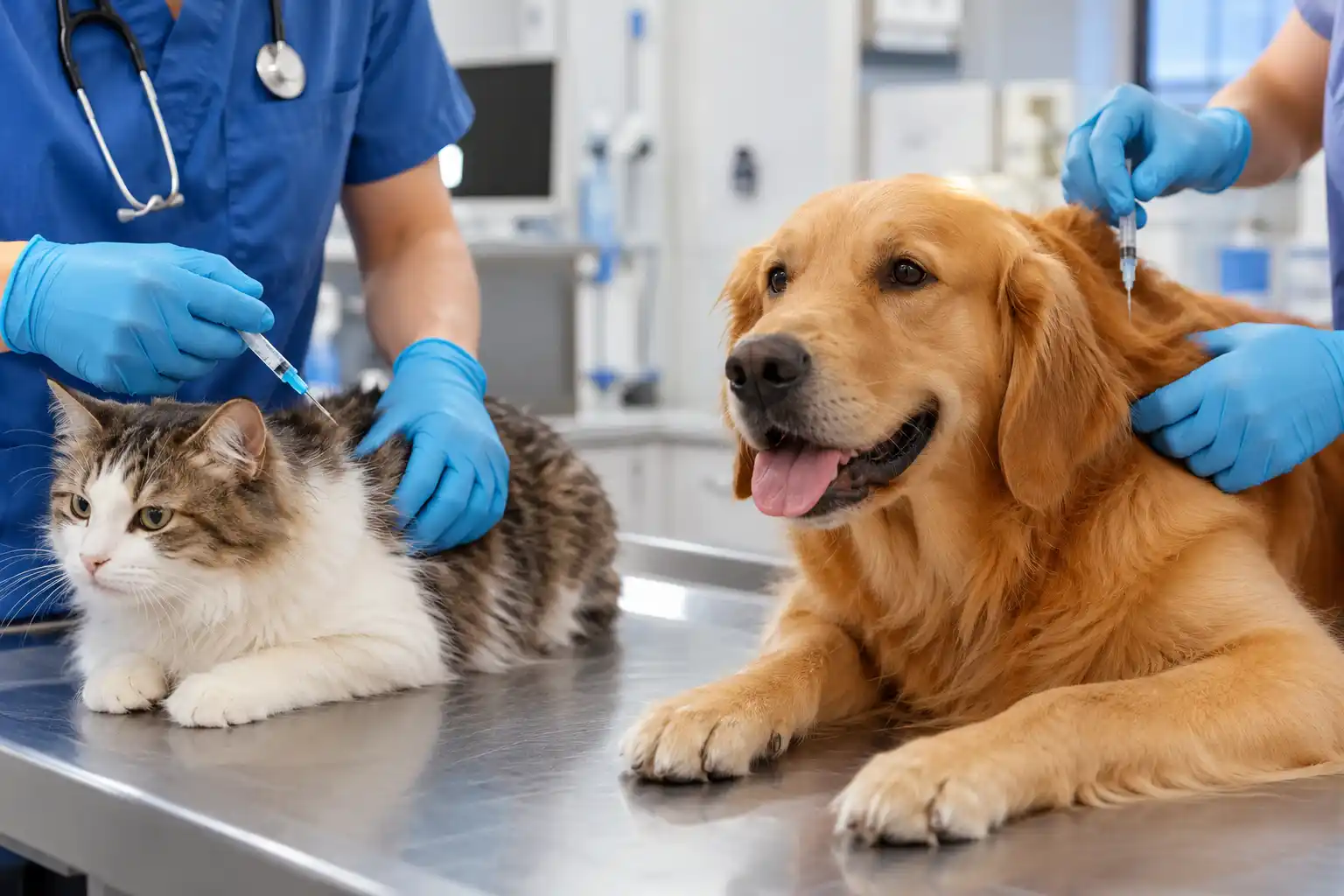
Getting a new puppy is exciting, but new puppy owners need to be aware that young puppies have developing immune systems and are prone to many dangerous viruses and infections. These can be transmitted through infected animals, contaminated objects, and the environment, and can cause serious illness and even death.
Diseases such as parvovirus and distemper can be especially dangerous to unvaccinated dogs. Vaccinating them early on can help prevent these and other potentially fatal infections as the puppy grows up, while waiting too long can leave the puppy vulnerable to infection.
The World Health Organization (WHO) estimates that rabies is responsible for approximately 59,000 human deaths each year, so it’s important that pets get vaccinated in order to help stop the disease.
Why Do Puppies Need Multiple Vaccinations?
Puppies require multiple vaccinations to help their bodies build up immunity to diseases since their bodies are still developing. These vaccinations help them fight off infections that may severely harm them.
The immunity puppies have from their mothers’ milk fades as they grow. The immunity acquired from the mother interferes with the required puppy vaccinations, and there is no way to determine the exact time when the interference ends. Therefore, the vaccinations need to be administered more than once to ensure that there are enough antibodies to fight infections.
The World Small Animal Veterinary Association (WSAVA) recommends that the core vaccinations for puppies start at six to eight weeks, and the shots should be administered every two to four weeks until they are at least sixteen weeks old.
How Long Does the Puppy Vaccination Process Take?
For most puppies, the first round of shots should be completed after 8-10 weeks, depending on when the vaccinations have started and the recommendations of the veterinary professional.
The vaccination schedule may involve:
- Shots at 6-8 weeks: Core vaccines may be given for the first time
- Vaccinations at 9-12 weeks: A second dose is necessary to elicit immunity as maternal antibodies start to fade
- The vaccinations at 12-16 weeks or older: Third doses are often required, with the last core vaccination being applied at 16 weeks of age or older per WSAVA guidelines
- A vaccination around 6 months or older: Dogs may need another dose to ensure immunity, as advised by the veterinarian.
The schedule and how much pet vaccinations cost in Dubai might vary depending on the type of vaccine, local regulations, and the recommendation of your veterinarian. It has little to do with the breed of the dog. Most of the dogs, including the Golden Retriever, German Shepherd, Pomeranian, Labrador, and mixed-breed puppies, are vaccinated according to the same schedule, depending on their age.
The puppies also require a series of booster shots that can be scheduled only after the initial vaccination, which again depends on the vaccine and your local vet’s recommendations.
Why Should You Get Your Puppy Vaccinated at a Young Age?
It can be tempting to wait before arranging vaccinations for your puppy to become stronger or for them to spend more time outside, but delaying vaccinations could leave your pet vulnerable to infection.
By vaccinating your puppy at a young age, their immune system will learn to fight off common infectious diseases and many zoonotic viruses that every pet owner should know. This is also important to avoid spreading diseases to other pets.
Below is a list of common diseases found in dogs that your puppy can be protected against:
1. Canine Parvovirus
This highly contagious disease is common in puppies and can be passed from infected dogs through their faeces. The virus can persist in the environment, making it very contagious for other dogs.
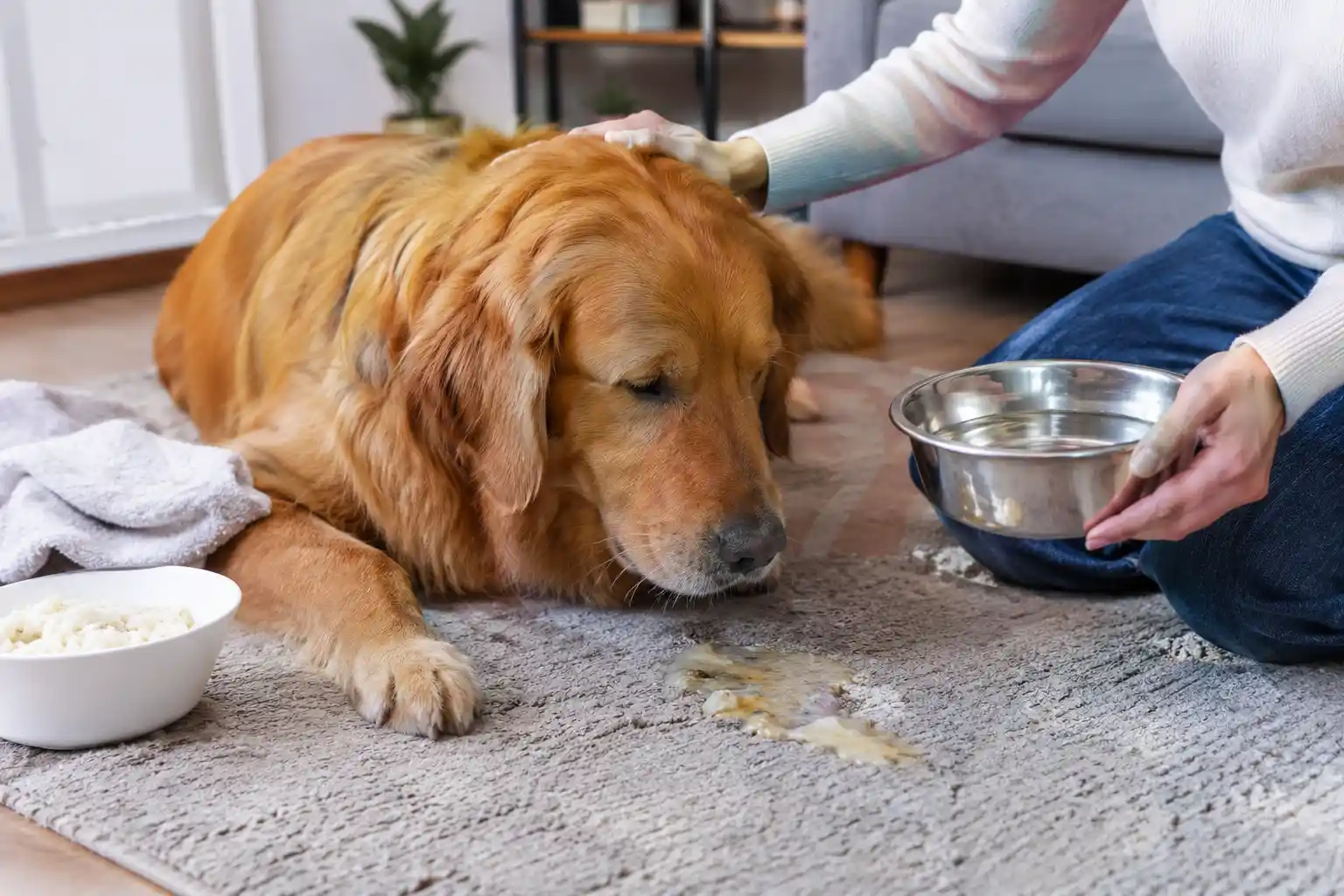
Symptoms may include vomiting, diarrhoea that can be bloody, loss of appetite, and dehydration. With this disease, puppies can rapidly become very ill and, without treatment, it can be fatal.
2. Canine Distemper
This deadly virus is extremely serious in puppies and can lead to seizures, spasms, and neurological issues. The virus may attack your dog’s respiratory system, leading to a fever, coughing, and a runny nose. It can also affect the gastrointestinal tract, causing vomiting and diarrhoea.
There is no known cure for this virus, and treatment is focused on keeping the dog comfortable while the body heals, but some neurological symptoms may linger. The virus is fatal in most untreated cases, and those that survive may suffer lifelong health issues.
3. Canine Adenovirus & Infectious Hepatitis
Canine adenovirus can cause infectious hepatitis in dogs. This disease can have a range of symptoms, including fever, vomiting, abdominal pain, and weakness. In more serious cases, it can cause liver damage, internal bleeding, and even death.
Though the virus itself can be fatal, most dogs that receive the proper treatment will make a full recovery. Fortunately, core dog vaccines include protection against canine adenovirus, so it’s vital that your puppy receives these shots.
4. Rabies
Rabies is a deadly virus that not only affects dogs, but also other mammals, mainly cats and humans. The virus is transmitted via the saliva of an infected animal, most commonly through a bite. Once symptoms present, there is no known antidote or cure for the disease.
Since this disease is fatal and can be transmitted to humans, it’s vital that you follow the UAE requirements and adhere to your local veterinarian’s recommendations about rabies vaccinations and boosters.
5. Other Diseases
In addition to the diseases above, if your puppy is more prone to certain infections, your vet may recommend additional vaccinations for diseases like kennel cough or leptospirosis.
It’s important to know that not all of these diseases are life-threatening, and your vet will be able to advise you which vaccinations are required to keep your puppy safe and which are optional based on their lifestyle.
Puppy Vaccination Near Nad Al Sheba
The process of choosing a veterinary clinic for your puppy’s first vaccinations involves more than simply receiving an injection. In addition to a health examination and vaccination schedule, your puppy requires appropriate care.
When bringing your puppy to our Happy Tails Veterinary Clinic located in Nad Al Sheba 1, Dubai, to get vaccinated, our expert vets will examine their health and vaccination history and suggest to you the following steps to complete.
1. Conducting a health examination.
The vet will look at the puppy’s health to see if they are eligible for vaccination.
2. Bringing previous vaccination documents.
If you have any previous vaccination documents, give them to the vet. This will help them figure out what doses your puppy is missing.
3. Creating a vaccination schedule.
The vet will come up with a vaccination schedule for your puppy, advising them of the required vaccines and the timing of their next veterinary appointment.
4. Getting vaccinated and knowing what to do after.
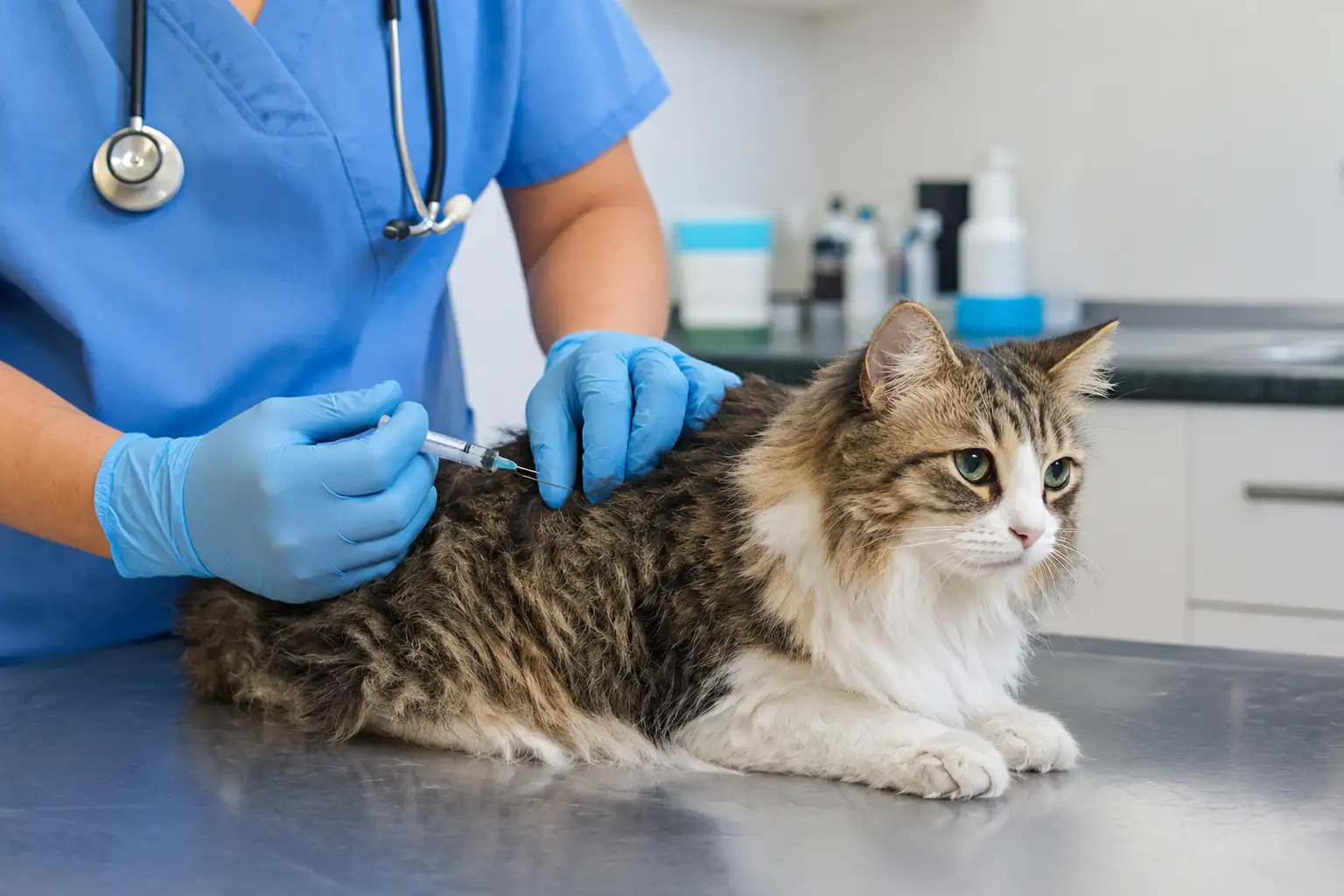
You’ll get vaccinated and be given instructions on what to do if your puppy experiences any of the typical adverse effects. Furthermore, the vet will inform you of the signs of illness that require a quick visit to the veterinarian.
5. Following the schedule and getting the required boosters.
Make sure to keep track of your puppy’s vaccinations and bring them in for their next booster dose.
If you are looking for a reliable Nad Al Sheba vet clinic for your puppy’s first vaccinations, Happy Tails can help you plan the process from the initial assessment to the recommended follow-up doses.
You can also learn more about our dog vaccination in Dubai services or explore our wider pet vaccination in Dubai options for your household pets.
Can Your Puppy Get Vaccinated at Home?
Some puppies may feel stressed going to a veterinary clinic. Busy owners may not easily make time for multiple vet visits. Happy Tails offers mobile vet services in Dubai, including vaccines for pets like your puppy, if appropriate.
When a vet makes a house call, they will go over your puppy’s medical history and note any vaccines they may need. You can also ask about setting up any remaining or future vaccines to keep your puppy’s schedule updated.
Visiting a vet at home may be easier for some nervous puppies and their car-full of waiting owners. In-clinic visits may be necessary for some exams and services, too.
Schedule Your Puppy’s Vaccination With Happy Tails
Your puppy is counting on you to protect them during the early stages of their life. One of the best ways to ensure they grow up healthy and happy is to keep their vaccinations up to date. This will help prevent many dangerous infections.
Pay a visit to Happy Tails Veterinary Clinic in Nad Al Sheba so we can evaluate your puppy and come up with a vaccination plan that suits them. In case you can’t make it, ask about our option for vets to come to you. Set up an appointment today or let us know if you’d rather we come to you. Contact Happy Tails now and let’s get your puppy vaccinated.
Contact us to discuss your puppy’s vaccination history and book an appointment.
Frequently Asked Questions
At what age should a puppy receive its first vaccination?
Puppy core vaccinations generally begin at around 6 to 8 weeks of age. Your veterinarian will recommend the correct starting point based on your puppy’s health and history.
How many vaccinations does a puppy need?
The number of doses varies according to when vaccination begins and the schedule used. Puppies generally receive repeated core vaccinations every 2 to 4 weeks until at least 16 weeks of age.
Can I take my puppy outside before completing all vaccinations?
Ask your veterinarian about safe socialization and outdoor activities while your puppy is completing the vaccination course. Avoid exposing your puppy to potentially contaminated areas or dogs of unknown vaccination status.
What happens if my puppy misses a vaccination?
Contact your veterinarian rather than restarting or changing the schedule yourself. The clinic will review the doses already given and advise you on the appropriate next steps.
Can I get my puppy vaccinated at home in Dubai?
Yes. Happy Tails provides mobile veterinary services for suitable home visits, including routine vaccinations. Contact the clinic to confirm availability and arrange a visit for your puppy.