


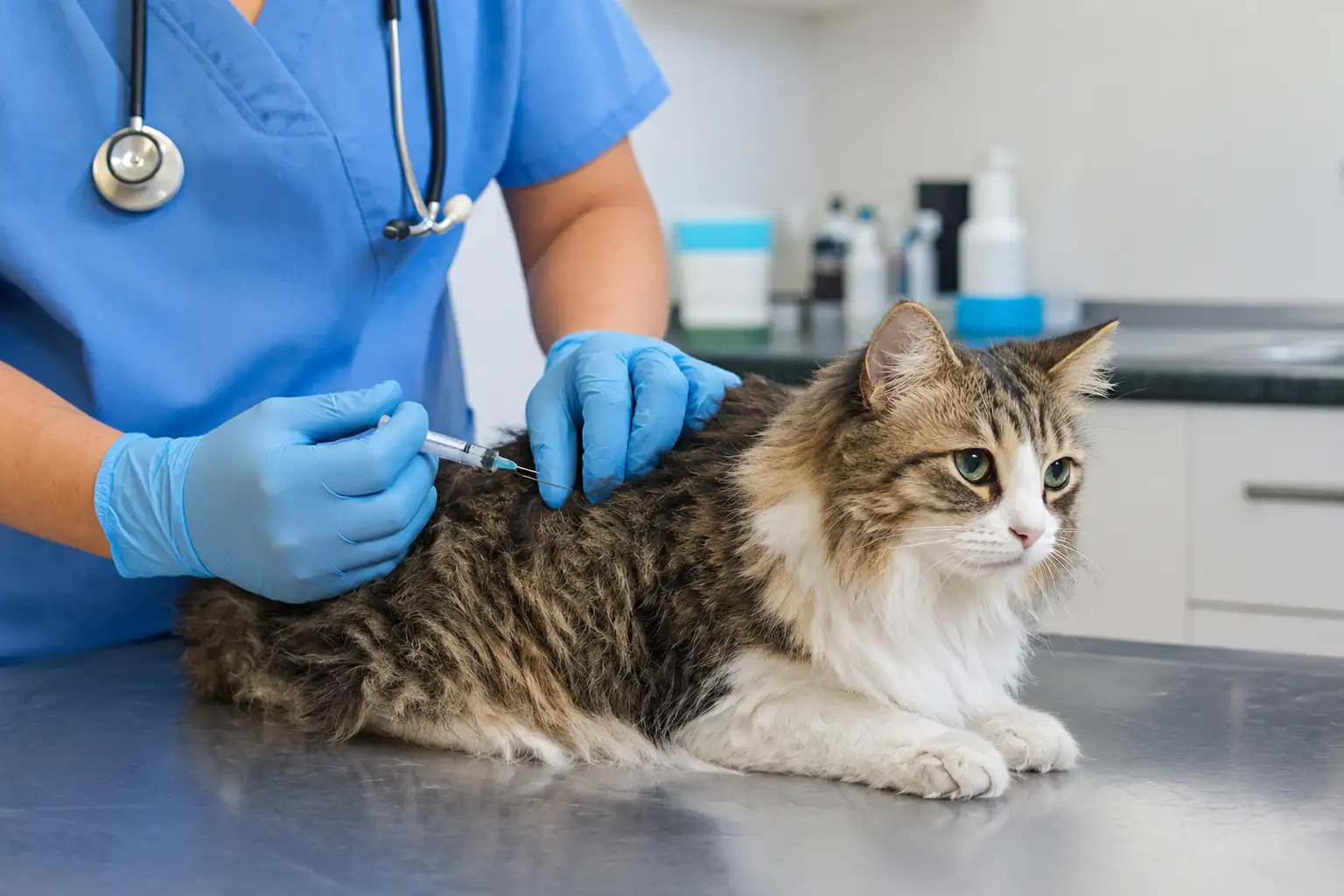
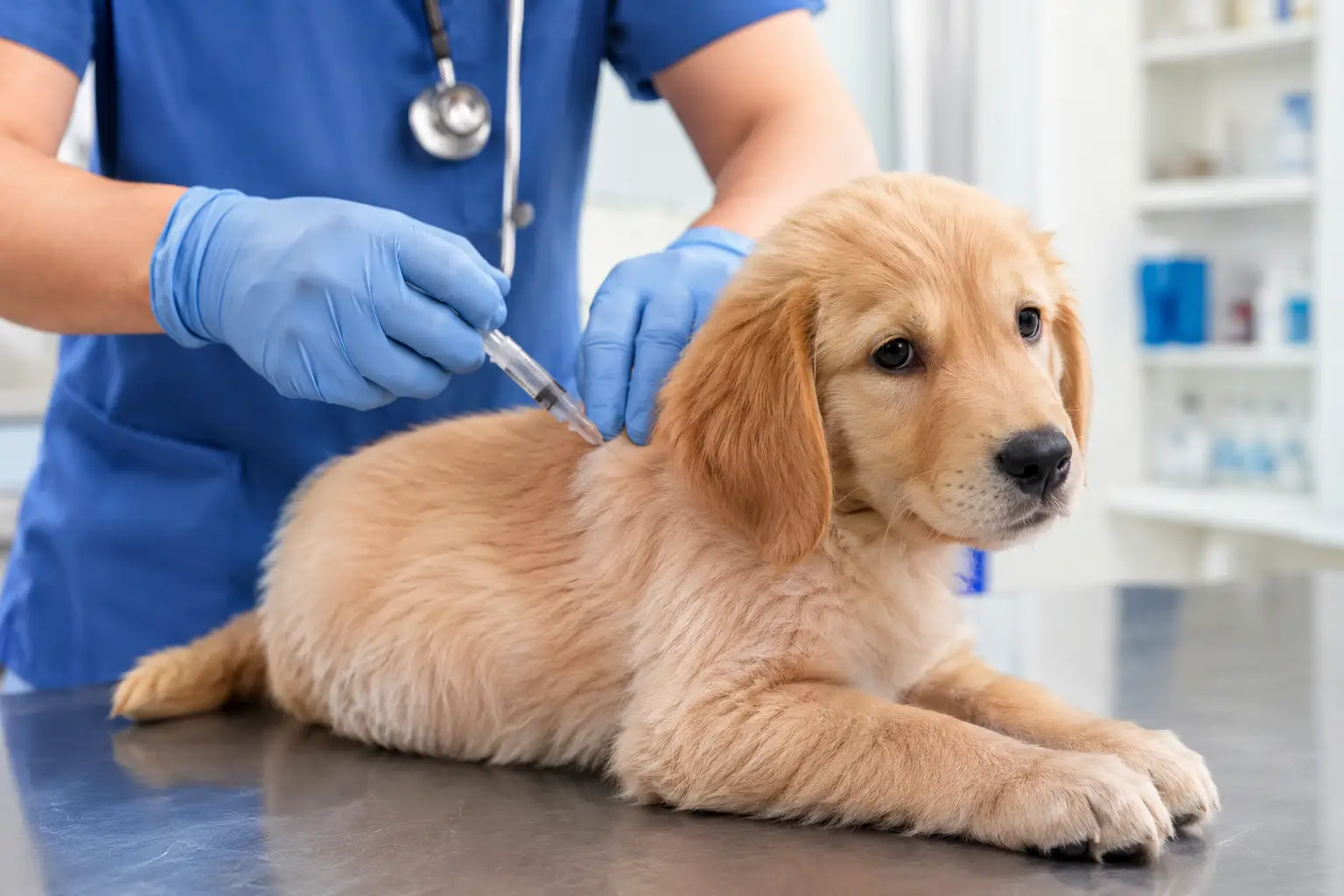
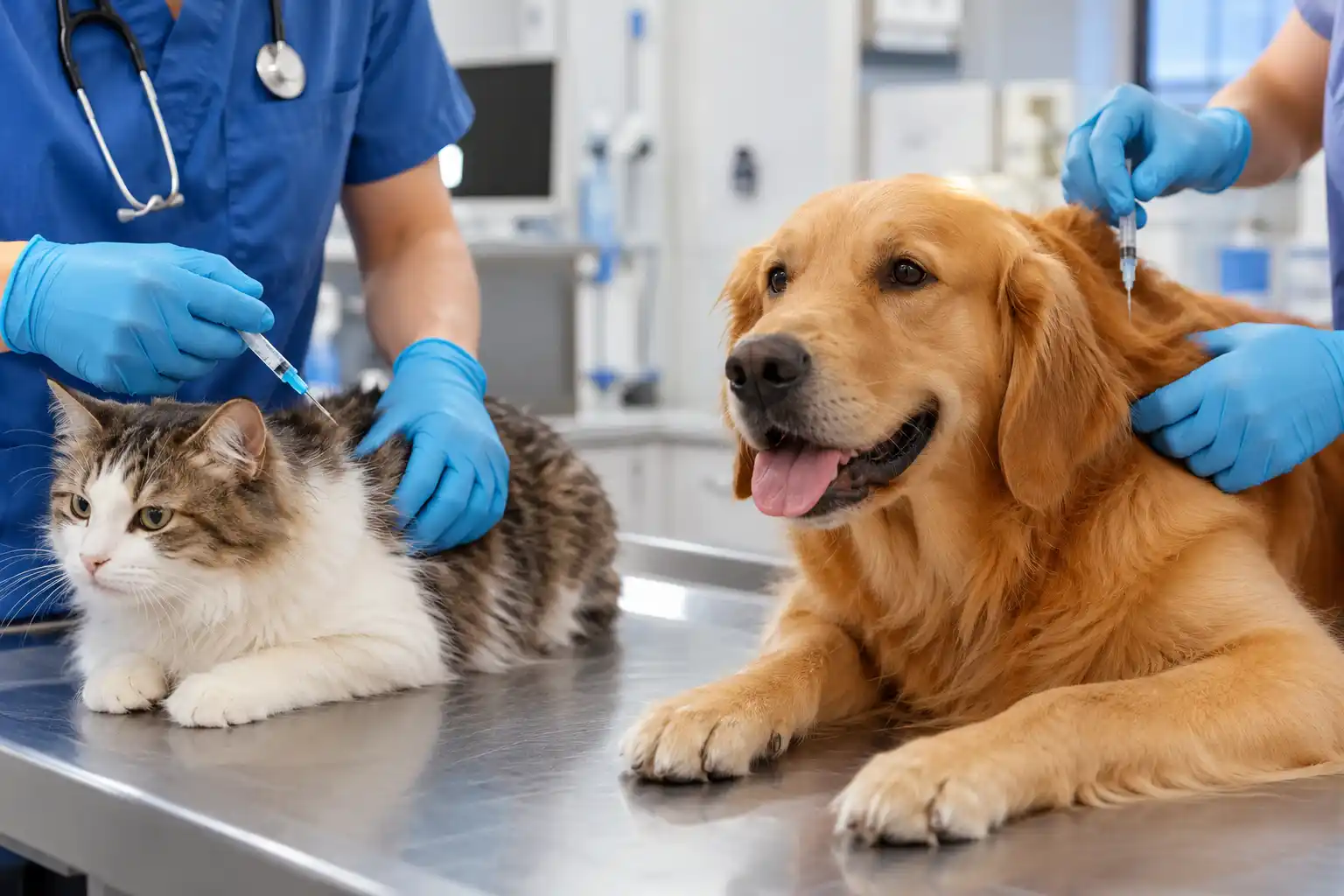
A zoonotic virus is one that can pass between animals and people. That sounds alarming when the animal in question sleeps on your bed, but most of what cats and dogs carry stays with cats and dogs. Only a small number of viruses cross over, and for most of them the risk to a healthy, vaccinated household is low.
The exception is rabies. It is rare in well-managed pet populations, but it is almost always fatal once symptoms start, and it is completely preventable. Everything else on this list sits somewhere on a sliding scale, from “documented but uncommon” to “the pet is more likely to catch it from you than the other way round.”
A pet owner once brought his dog to a Nad Al Sheba vet clinic after noticing that the dog had suddenly become unusually restless and was reacting differently to people. He was worried because the dog had recently been around stray animals. The veterinarian checked the dog’s vaccination history and explained why rabies prevention should never be taken lightly. The visit was a reminder that noticing unusual behaviour early and keeping vaccinations up to date can make a real difference.
Knowing where each virus sits on that scale is what helps you worry about the right things.
The Quick Answer
If you only read one section, read this one:
- Rabies is the virus that matters most. Keep every dog and cat vaccinated, and treat any bite or scratch from an animal of unknown vaccination status as a medical matter, the same day.
- Most other viruses on this list are uncommon in people, and several spread mainly from humans to pets rather than the reverse.
- Some risks come indirectly. Pets can bring home ticks, rodents, or contaminated raw food that carry viruses, even when the pet itself is not the source.
- Hygiene, vaccination, parasite control, and regular vet checks handle the large majority of the risk.
- Children, older adults, pregnant people, and anyone with a weakened immune system should take a little more care, especially with bites, scratches, and cleaning up after sick animals.
One more distinction worth keeping in mind as you read: a virus being zoonotic, a pet carrying that virus, and a pet actually passing it to a person are three different things. News headlines often blur them together.
1. Rabies
In Dubai, rabies remains an important concern for pet owners, particularly when dogs or cats come into contact with potentially infected animals. Rabies is caused by a lyssavirus that attacks the nervous system and can infect any mammal, including dogs, cats, foxes, bats, and people. Keeping pets vaccinated is one of the most important preventive steps, and pet owners can speak with their veterinarian about the appropriate rabies vaccine in Dubai based on their pet’s age, health, and vaccination history.
How it spreads
The virus lives in saliva. Most human cases worldwide follow a dog bite. A scratch can also carry risk if saliva was on the claws, and so can saliva contact with an open wound or with the eyes, nose, or mouth. Petting an animal or touching its fur does not transmit rabies.
In practice, the situations that worry vets most are ones like these: a child bitten by a stray dog on the street, a cat that got into a fight with an unknown animal, or a traveller bitten abroad by a dog that seemed friendly enough to approach.
Signs in pets
Rabies often shows up first as a change in behaviour. A normally calm dog turns snappy. A shy cat becomes oddly affectionate. As the disease progresses, animals may drool heavily, struggle to swallow, lose coordination, bite at the air, or develop paralysis, often starting in the jaw or hind legs. Death follows within days of signs appearing.
These signs overlap with other conditions, so they are not a diagnosis. They are a reason to keep your distance and call a vet.
Concerns for humans
Once a person develops symptoms, rabies is almost always fatal. The good news is that the incubation period usually gives time for treatment to work, provided treatment starts promptly. Waiting to see whether symptoms develop is never the right approach.
What to do after a suspected exposure
If you are bitten or scratched by an animal that could have rabies, or get its saliva in a wound or your eyes or mouth:
- Wash the wound straight away with soap and running water for around 15 minutes. This physically removes a lot of virus.
- Get medical care the same day. Go to a hospital emergency department or your doctor and tell them exactly what happened. They will decide whether you need post-exposure treatment, which may include a vaccine series and, in some cases, immunoglobulin.
- Note what you can about the animal. Is it a known pet? Is it vaccinated? Where did the encounter happen? This helps doctors and local authorities assess risk.
- Report the incident as your doctor or local authority advises. Where a domestic animal can be observed, authorities may arrange this, but that observation runs alongside medical care, not instead of it.
Reducing the risk
In Dubai, vaccinate your dogs and cats and keep their boosters on schedule. Dog vaccination in dubai can help protect your pet, your family, and your ability to travel, since many countries require proof of rabies vaccination for entry. Keep indoor cats indoors if you can, supervise children around unfamiliar animals, and avoid feeding or handling stray animals, however gentle they may seem.
2. Avian Influenza (H5N1) in Cats
Bird flu is primarily a disease of birds, but the H5N1 strain has shown it can infect cats too, and infected cats often become very sick. In recent years, cats in several countries have been infected after eating raw poultry, drinking unpasteurised milk from infected dairy herds, or eating contaminated raw pet food. Outdoor cats that catch wild birds are also exposed.
Signs in cats
Cats with H5N1 can deteriorate quickly. Fever, lethargy, refusing food, laboured breathing, and neurological signs such as circling, tremors, blindness, or seizures have all been reported. Dogs appear less commonly affected.
Concerns for humans
Confirmed transmission from cats to people has not been clearly established, and human infections overall remain uncommon. Still, public health agencies take cat infections seriously because every new host gives the virus a chance to change. If your cat becomes suddenly and severely ill after eating raw food or catching a bird, tell your vet about that history straight away and limit close contact until they have advised you.
Reducing the risk
- Think carefully about raw feeding. If you choose it, buy from suppliers who take pathogen control seriously, and never feed raw milk.
- Keep cats from hunting birds where possible.
- Wash your hands after handling raw meat and pet food bowls.
For households with birds
Homes with pet parrots, budgies, chickens, or pigeons alongside a cat need a little more thought. Birds can pick up avian influenza and other infections, and they hide illness well until they are quite sick. If you are looking for an avian vet in Dubai households can rely on, find one before you need them. Bird owners should consult an avian vet in Dubai whenever a bird shows fluffed feathers, reduced appetite, breathing changes, or unexplained deaths in the flock, because birds need specialised care that general practice cannot always offer. Keep cats and pet birds physically separated, and don’t let wild birds share feeders or water with your flock.
3. Cowpox
Despite the name, cowpox is mostly a rodent virus. Cats are the pet most often involved, because they hunt the voles and mice that carry it. Cowpox is found mainly in parts of Europe and western Asia, so it is more relevant to people who travel or move with their cats than to most Gulf households.
Signs in cats
The classic picture is a single bite wound, usually on the head, neck, or a front leg, that develops into crusty sores. More lesions may appear across the body over the following days. Most cats recover, although cats with weaker immune systems can become seriously ill.
Concerns for humans
People can catch cowpox through direct contact with lesions, usually on the hands or face. The resulting sores are painful and slow to heal. It is rarely dangerous for healthy adults, but it can be severe for people with eczema or weakened immunity.
Reducing the risk
If your cat has an odd, crusty wound that is not healing, wear gloves when handling it and have your vet look at it. Don’t use steroid creams on unexplained skin lesions without veterinary advice, as they can make viral infections worse.
4. SARS-CoV-2 (the COVID-19 virus)
This one works mostly in reverse. Cats and dogs have been infected with SARS-CoV-2, almost always after close contact with an infected owner. The risk of pets spreading it back to people is considered low.
Signs in pets
Many infected pets show no signs. Some develop mild sneezing, coughing, eye discharge, lethargy, or occasional vomiting or diarrhoea. Cats tend to show signs more than dogs. Serious illness in pets is uncommon.
What owners should do
If you have COVID-19, the sensible step is to protect your pet from you. Where possible, let another household member handle feeding and care, avoid face-to-face cuddling, and wash your hands before and after contact. If your pet becomes unwell while you are sick, call your vet before visiting so the clinic can prepare.
5. Mpox
Mpox (formerly monkeypox) is another virus where people are the likelier source. In 2022, a dog in France was reported to have caught mpox from its owners, the first documented case of its kind. Rodents are more susceptible than cats or dogs, and much is still unknown about how the virus behaves in pets.
Why it matters to pet owners
Because a pet could, in theory, carry the virus to another person, health authorities advise people with mpox to avoid close contact with their animals, including sharing beds, kissing, or letting pets lick their skin or lesions. Ask someone else to care for pets until you have recovered. Bedding and towels should be washed and kept away from animals.
If your pet develops skin sores, eye discharge, or seems unwell after contact with someone who had mpox, contact your vet and mention the exposure.
6. Rotavirus
Rotaviruses cause diarrhoea in young animals and in children. Most strains stick to their own species, but genetic studies have occasionally found rotavirus strains in children that closely resemble strains from cats and dogs. It is uncommon and rarely makes headlines, but it shows how gut viruses can occasionally jump.
Signs in pets
Puppies and kittens may develop watery diarrhoea, mild vomiting, and reduced appetite. Adult animals often show nothing at all.
Reducing the risk
This is a hygiene story. Wear gloves when cleaning up diarrhoea, wash your hands afterwards, and keep young children away from soiled litter trays and puppy pads. A new puppy or kitten with diarrhoea should see a vet anyway, because rotavirus is far from the only possible cause, and parvovirus in puppies is a much bigger threat to the animal.
7. Norovirus
Human norovirus, the notorious “winter vomiting bug,” has been detected in dog faeces, and dogs have shown antibodies suggesting past exposure. What remains unclear is how often dogs are infected versus simply passing the virus through, and whether they ever pass it on to people in a meaningful way.
What this means at home
If someone in the household has norovirus, it is reasonable to keep the pet away from where they have been sick and to clean thoroughly. Dogs are enthusiastic about things people would rather they ignored, and that includes vomit. There is no need to rehome, isolate, or panic about the dog. Good cleaning and handwashing cover it.
8. Crimean-Congo Haemorrhagic Fever (CCHF)
CCHF is a serious tick-borne viral disease found across parts of Africa, the Middle East, Asia, and southern Europe. It deserves a place on this list for Gulf-based owners because it is carried by Hyalomma ticks, which are present in the region and usually associated with livestock.
Where dogs come into it
Dogs don’t appear to become ill from CCHF, and they are not a direct source of infection. The concern is that a dog can pick up ticks on a farm visit, a desert camping trip, or a walk near livestock areas, and bring those ticks into the home. The other risk is the way people remove ticks: crushing one between bare fingers can expose a person to infected fluids.
Concerns for humans
In people, CCHF can begin with sudden fever, muscle aches, and headache, and in some cases progress to bleeding and severe illness. Anyone who develops a fever after a tick bite or contact with livestock should seek medical care and mention the exposure.
Reducing the risk
- Keep dogs on a vet-recommended tick preventive all year round.
- Check your dog after any outdoor trip, especially around ears, toes, armpits, and groin.
- Remove ticks with fine-tipped tweezers or a tick tool while wearing gloves. Never crush them with bare hands.
- Avoid letting dogs roam freely around livestock pens or camel farms.
9. Canine Influenza (H3N2 and H3N8)
Canine influenza earns its spot as a virus to watch rather than a known human threat. There are no confirmed human infections with canine influenza viruses. It is included because pet owners ask about it, and because researchers keep an eye on any flu virus that circulates in a species living this closely with people.
Signs in dogs
A persistent cough, nasal discharge, fever, and tiredness are the usual signs. Most dogs recover, but some develop pneumonia. It spreads readily in places where dogs gather, such as kennels, daycare centres, and grooming salons.
What owners should do
Keep a coughing dog away from other dogs and ask your vet whether a canine influenza vaccine is relevant for your pet’s lifestyle and location. Cats can occasionally catch H3N2 as well, which is worth knowing in multi-pet homes.
10. Hantaviruses
Hantaviruses are carried by rodents, not by cats or dogs. They make this list because of the indirect route: a cat that hunts mice, or a dog that digs out a rodent nest, brings that exposure closer to your family. Pet rats can also carry Seoul virus, a type of hantavirus.
Concerns for humans
People usually catch hantaviruses by breathing in dust contaminated with rodent urine, droppings, or nesting material. Depending on the virus, illness can affect the kidneys or lungs and can be serious.
Reducing the risk
- Don’t sweep or vacuum dry rodent droppings. Wet them down with disinfectant first, then wipe up while wearing gloves.
- Keep pet food sealed and stored away from where rodents can reach it.
- Deal with rodent problems in storage rooms, garages, and gardens promptly.
- If your cat regularly brings in prey, handle the remains with gloves.
Pet Viruses That Don’t Spread to People
Part of reducing worry is knowing what you don’t need to fear. These common pet viruses are not considered a risk to humans:
- Canine parvovirus (serious for dogs, not for people)
- Canine distemper
- Feline immunodeficiency virus (FIV), often mistakenly compared to HIV
- Feline leukaemia virus (FeLV)
- Feline calicivirus and feline herpesvirus (cat flu)
- Feline infectious peritonitis (FIP)
A cat with FIV can live in a family home without putting the family at risk. That is worth saying plainly, because FIV-positive cats are still turned away from adoption over a misunderstanding.
Who Should Take Extra Care
Most healthy adults can live with pets with very little viral risk. A few groups should be more careful with bites, scratches, litter trays, and cleaning up after sick animals:
- Babies and young children, who put their hands in their mouths and are more likely to be bitten on the face
- Pregnant people
- Older adults
- Anyone having chemotherapy, taking immune-suppressing medication, living with HIV, or recovering from a transplant
For these households, the advice is not to give up pets. It is to lean harder on vaccination, parasite control, handwashing, and letting someone else handle the messier jobs.
What Pet Ownership Looks Like in 2026, and Why It Matters
Pets travel more. Dogs and cats cross borders with their families, which means meeting different ticks, different wildlife, and different disease patterns. Travel paperwork usually covers rabies, but ask your vet about parasites and diseases specific to the destination.
Raw feeding is popular. It brings real food-safety questions, including bacteria and, as the H5N1 cat cases showed, viruses. If you raw-feed, treat it with the same hygiene you’d use for raw meat in your own kitchen.
Urban pets still meet wildlife. City cats hunt birds and rodents on balconies and in communal gardens. Dogs meet strays and foxes on walks and desert trips. Your pet’s world is bigger than your apartment.
Multi-pet homes are common. A household with a dog, two cats, and a parrot has more routes for infection to move between species. Separate feeding areas, separate litter and cage cleaning, and prompt vet visits for any sick animal help contain problems early.
People know more about zoonoses than they used to. That’s a good thing, as long as awareness turns into sensible habits rather than fear of the family pet.
Everyday Habits That Cover Most of the Risk
- Keep vaccinations current, with rabies as the non-negotiable one.
- Use year-round tick and flea prevention.
- Wash hands after handling pets, food bowls, litter, and waste, and teach children to do the same.
- Clean up faeces promptly, with gloves for diarrhoea.
- Don’t let pets lick open wounds or the faces of babies and immunocompromised family members.
- Avoid contact with stray or wild animals, and don’t handle dead birds or rodents with bare hands.
- Book an annual check-up, and a visit sooner if something seems off.
When to Call a Vet, and When to Call a Doctor
Call your vet if your pet shows sudden behaviour changes, unexplained sores, breathing difficulty, neurological signs, or ongoing diarrhoea, or if it has had contact with a wild or stray animal. A pet clinic in Dubai owners already know and trust can keep vaccination records up to date, advise on parasite control for your pet’s lifestyle, and flag anything that needs public health attention. If you live around Meydan, Al Barsha South, or the surrounding communities, a nearby Nad Al Sheba vet clinic can make routine checks and quick visits much easier to fit into a working week, and a practice you already know is easier to call when something feels urgent.
Call a doctor or go to hospital after any animal bite or scratch where rabies can’t be ruled out, after a tick bite followed by fever, or if you develop an illness that could be linked to a sick pet. Tell them about the animal contact, because it changes what they test for and how they treat you.
For outbreak alerts or guidance specific to where you live, check with your local health authority and the relevant veterinary authority. They see the full picture that a single household can’t.
Frequently Asked Questions
Can I catch rabies from my vaccinated dog?
The risk is extremely low when a dog’s vaccinations are up to date. Any bite should still be cleaned and assessed by a doctor, and your vet should confirm the dog’s vaccination status.
Should I get rid of my cat if I’m pregnant?
No. Keep up hygiene, let someone else clean the litter tray if possible, and speak to your doctor about any specific concerns.
Can my dog give me the flu?
Canine influenza has not been confirmed to infect people. Human flu viruses are a separate matter, and you are more likely to be the one passing illness on.
Is it safe to kiss my pet?
For healthy adults, occasional affection is generally low risk. Avoid face licking if you have open wounds, a weakened immune system, or a young baby in the house, and skip it entirely when your pet is unwell.